5 Useful Natural Skincare Ingredients: Benefits and How to Use
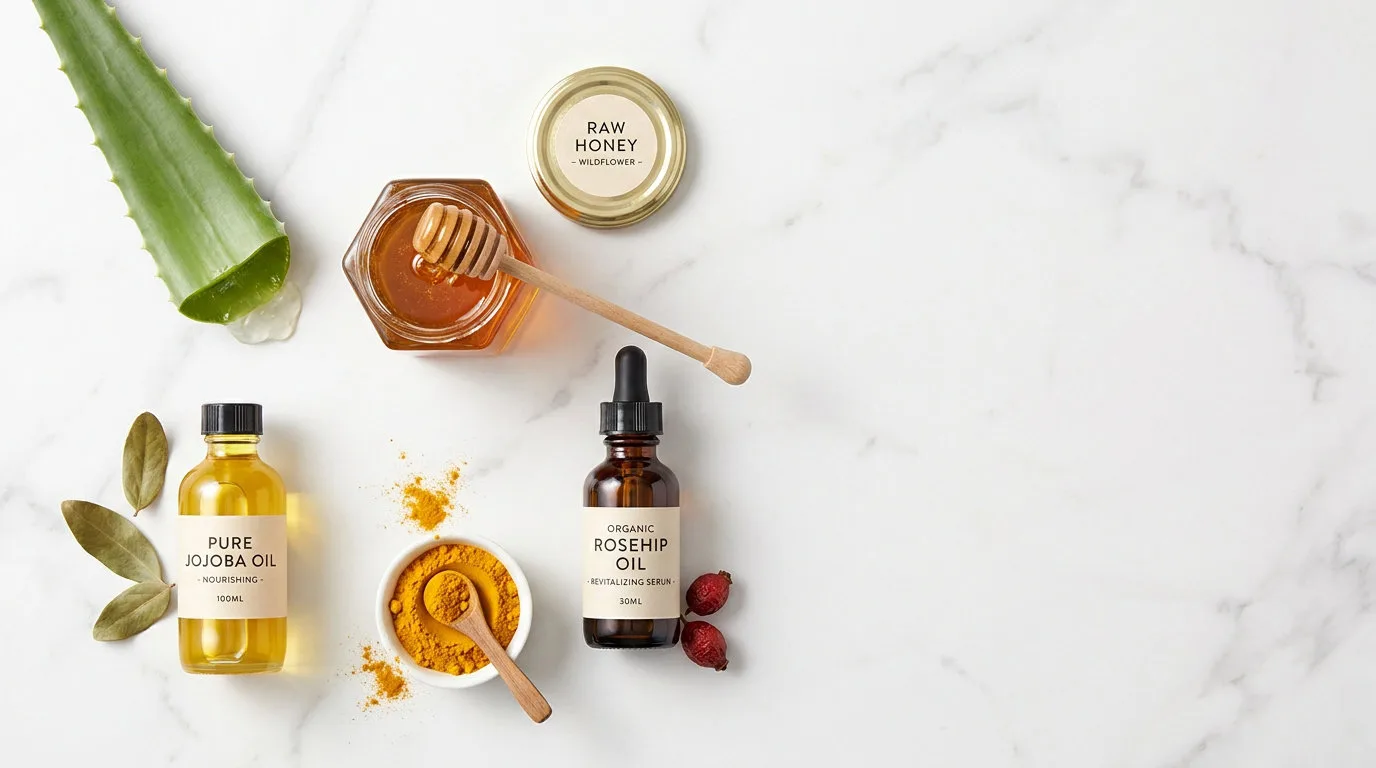
Spending money on serums that don’t work? These 5 useful natural skincare ingredients outperform most of them, and you can find every single one without stepping inside a beauty store.
Most skincare products stack ingredient upon ingredient until nobody can tell what is actually doing the work. Strip that back, and the same bioactive compounds science keeps validating (vitamin A, fatty acids, polyphenols, and humectants) are available in raw form, cheaper, and without the fillers.
Each ingredient below has polyphenols, a specific mechanism, clear usage instructions, is cheaper, and provides guidance on which skin type it suits.
Why Natural Ingredients Work for Your Skin
The effective ones work for a concrete reason: they contain bioactive compounds your skin already recognizes. Fatty acids, antioxidants, polyphenols, and humectants support the skin’s repair processes rather than overriding them.
The skin barrier (the outermost protective layer) keeps moisture in and irritants out. Ceramide-like fatty acids in oils slot directly into the lipid structure of skin. Anti-inflammatory compounds in botanicals calm redness without the side effects of synthetic alternatives.
A 2021 review in the Journal of Clinical and Aesthetic Dermatology confirmed that several plant-derived ingredients match synthetic counterparts for hydration and barrier repair. These are among the most research-backed natural skincare remedies available. Knowing which ones to choose and how to apply them separates results from wasted money.
5 Useful Natural Skincare Ingredients That Actually Work
Every ingredient on this list has a specific mechanism. Each one does something measurable, and understanding what that is helps you use it correctly.
1. Aloe Vera — The Soothing All-Rounder
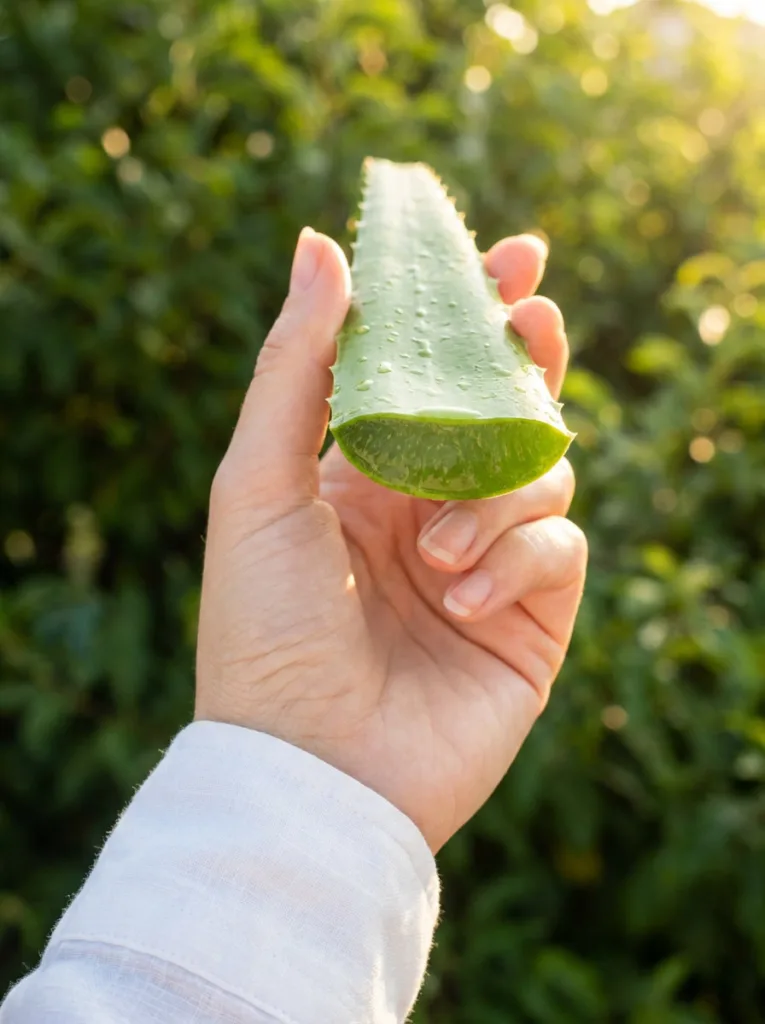
Aloe vera gel contains over 75 active compounds, including vitamins A, C, and E, plus polysaccharides that form a protective film on the skin surface. That film holds hydration without feeling heavy.
Its standout property is anti-inflammatory action. The compound acemannan in fresh aloe gel brings down redness and irritation fast. Dermatologists recommend it for sunburn, razor irritation, and post-procedure skin.
How to use it: Apply pure aloe vera gel (look for 99% concentration or higher) directly to cleansed skin as a lightweight moisturizer. Use it morning or night (in the morning, it works as a lightweight base before SPF). For a quick calming mask, layer it on for 15 minutes and rinse. Quick DIY serum: stir 2 tablespoons of aloe vera gel with 3 drops of jojoba oil for a lightweight hydrating blend that works on all skin types.
Best for: Sensitive, oily, acne-prone, and combination skin.
2. Honey — The Gentle Antibacterial Humectant

Raw honey is a humectant: it pulls moisture from the air into the skin. It also contains hydrogen peroxide in trace amounts and bee defensin-1, both of which give it natural antibacterial properties.
Manuka honey has the most research behind it. A study in PLOS ONE found it inhibited P. acnes bacteria growth, making it a solid option for acne-prone skin. Its low pH (around 3.5–4.5) keeps the skin’s acid mantle intact.
How to use it: Apply a thin layer of raw or manuka honey to damp skin. Leave it on for 10–15 minutes, then rinse with warm water. Use it 2–3 times per week, best as an evening mask since rinsing fits more naturally into a nighttime routine. Do not heat honey before applying; heat destroys its active enzymes. Quick DIY mask: mix 1 tablespoon of raw honey with ½ teaspoon of turmeric powder for a brightening antibacterial mask that tackles dullness and bacteria at once.
Best for: Dry, acne-prone, and dull skin.
3. Rosehip Oil — Nature’s Anti-Aging Powerhouse
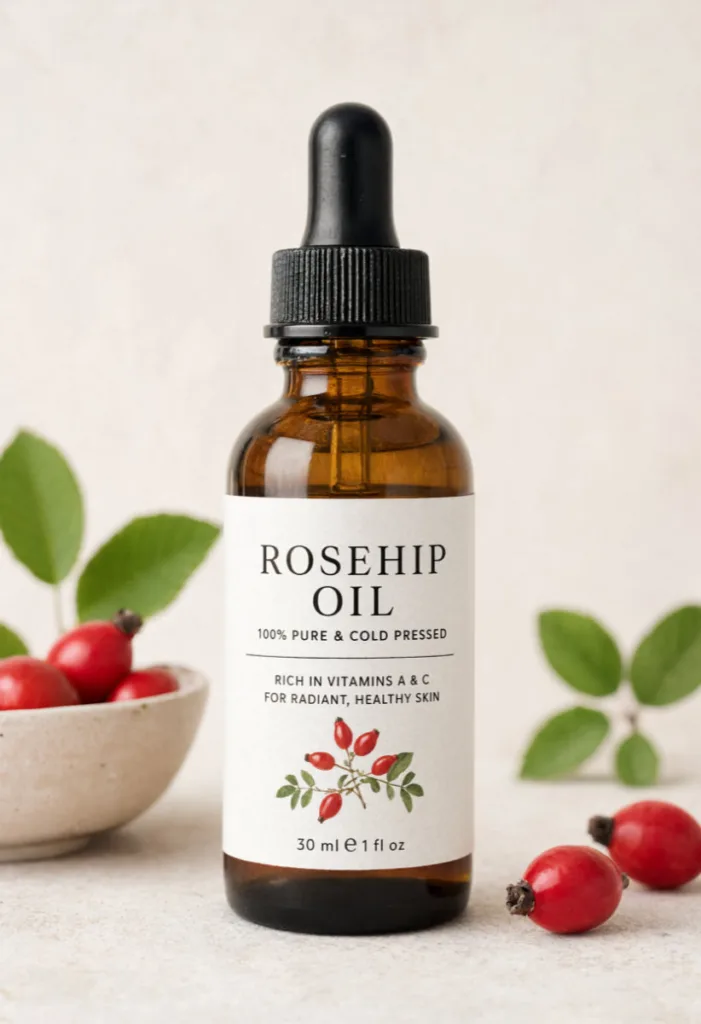
Rosehip oil is pressed from the seeds of Rosa canina and Rosa rubiginosa. It contains trans-retinoic acid (a natural form of vitamin A), linoleic acid, and vitamin C, all with well-documented effects on skin aging, hyperpigmentation, and collagen production.
A double-blind study in the Journal of Cosmetics, Dermatological Sciences, and Applications found that participants using rosehip oil twice daily for 8 weeks saw measurable reduction in fine lines and improved skin tone evenness.
Synthetic retinol causes peeling and sensitivity in many users; rosehip oil delivers comparable benefits with far less irritation. Its omega-6 fatty acids also repair a damaged skin barrier.
How to use it: Apply 3–5 drops of cold-pressed rosehip oil to cleansed skin at night. Press it in gently (do not rub). It contains vitamin A, which increases sun sensitivity, so keep it to your evening routine and use SPF in the morning.
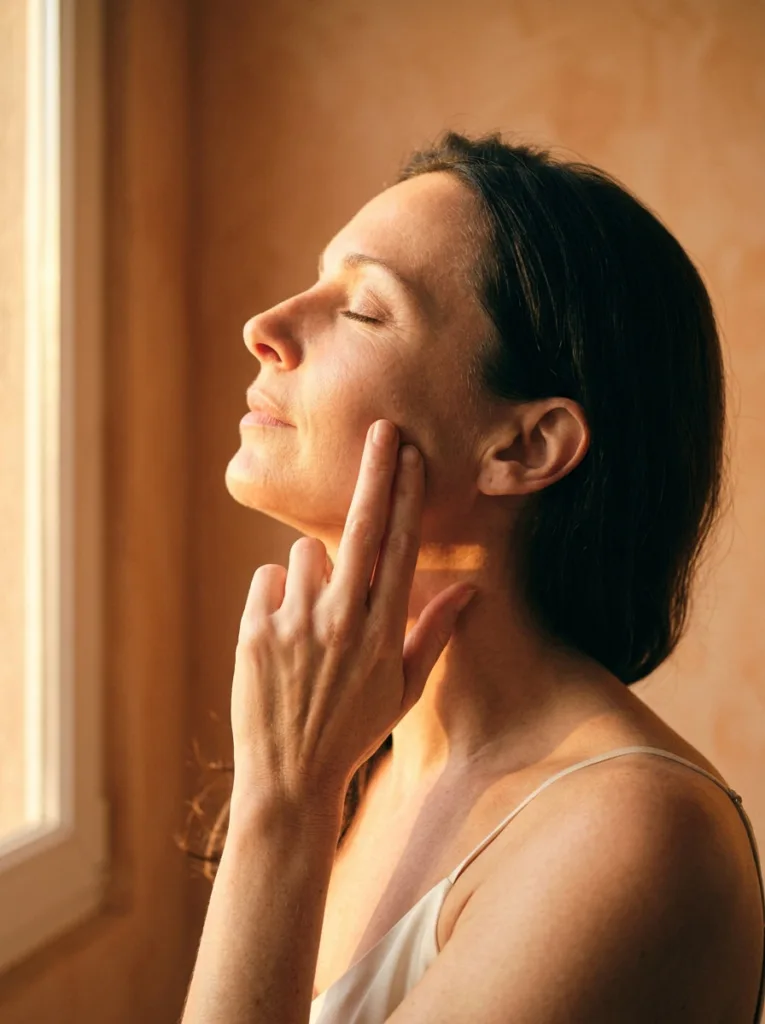
Best for: Mature skin, uneven skin tone, dry skin, and post-acne marks.
4. Turmeric — The Brightening Anti-Inflammatory
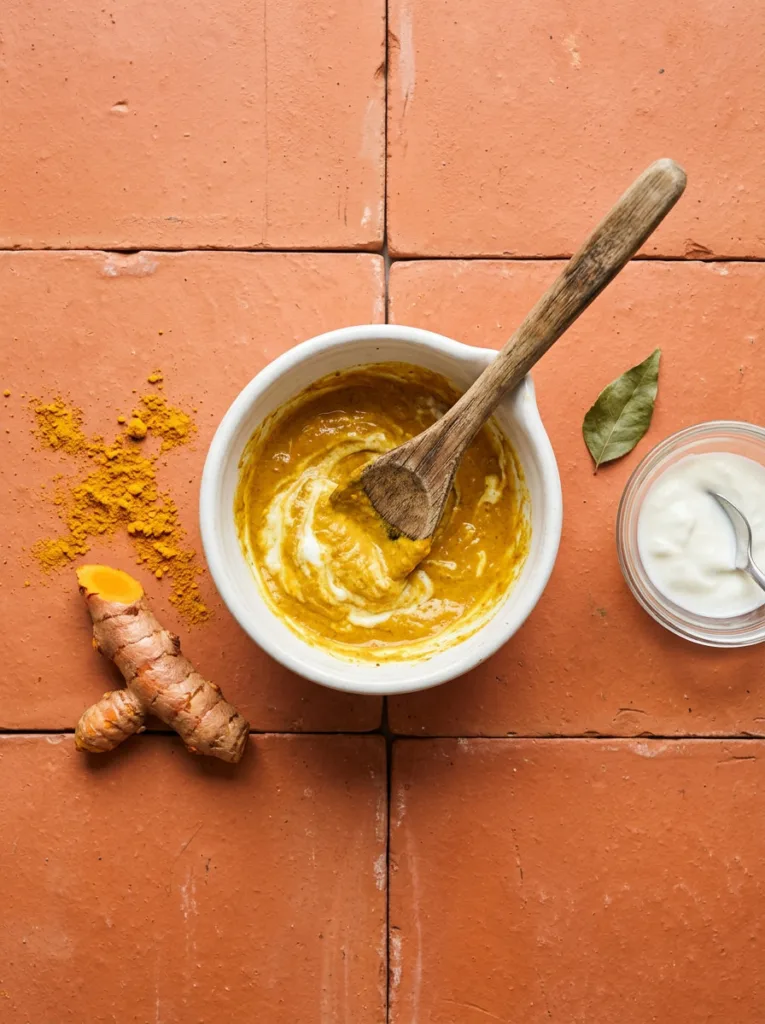
Turmeric contains curcumin, one of the most studied plant compounds in skincare. Curcumin has demonstrated antioxidant, anti-inflammatory, and antimicrobial properties across multiple peer-reviewed studies.
On the skin, curcumin inhibits tyrosinase (the enzyme that drives melanin production). Block that enzyme and you slow the darkening behind dark spots, post-inflammatory hyperpigmentation, and uneven tone.
How to use it: Mix 1 teaspoon of turmeric powder with 2 tablespoons of plain yogurt (or aloe vera gel) to make a brightening mask. Apply it to the face, leave on for 10 minutes, and rinse thoroughly. Use it once a week in the evening: any temporary yellow tint fades overnight. Mixing turmeric with yogurt reduces staining. Always patch test first.
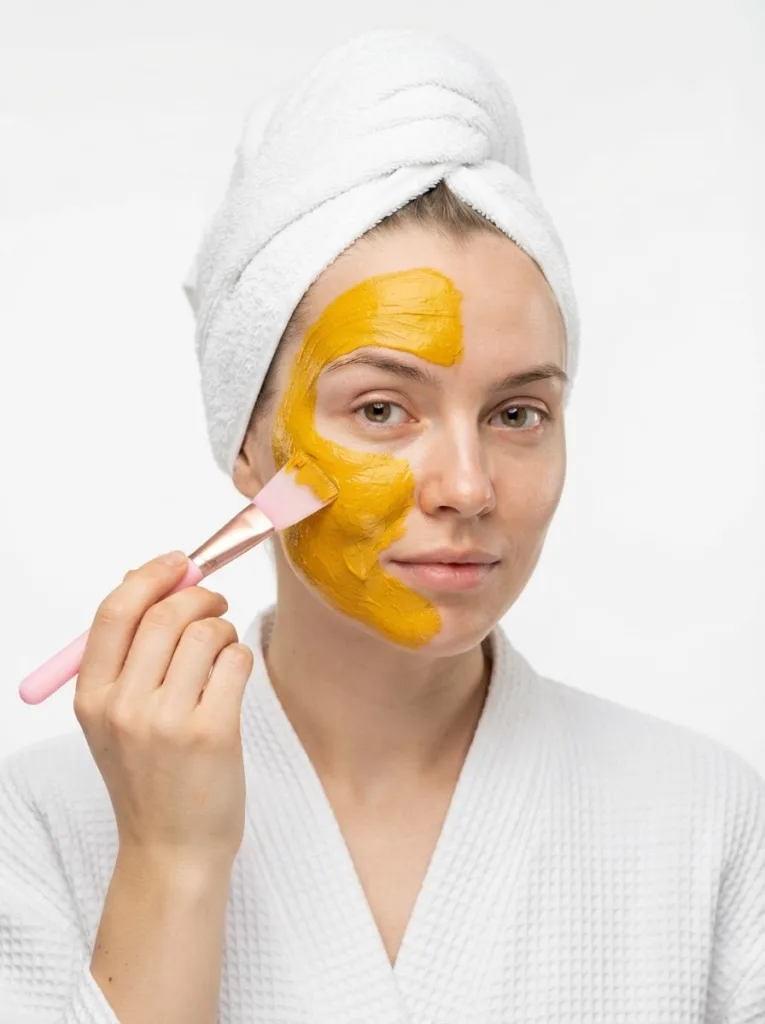
Best for: Dull skin, hyperpigmented skin, and acne-prone skin.
5. Jojoba Oil — The Balancing Skin Mimic
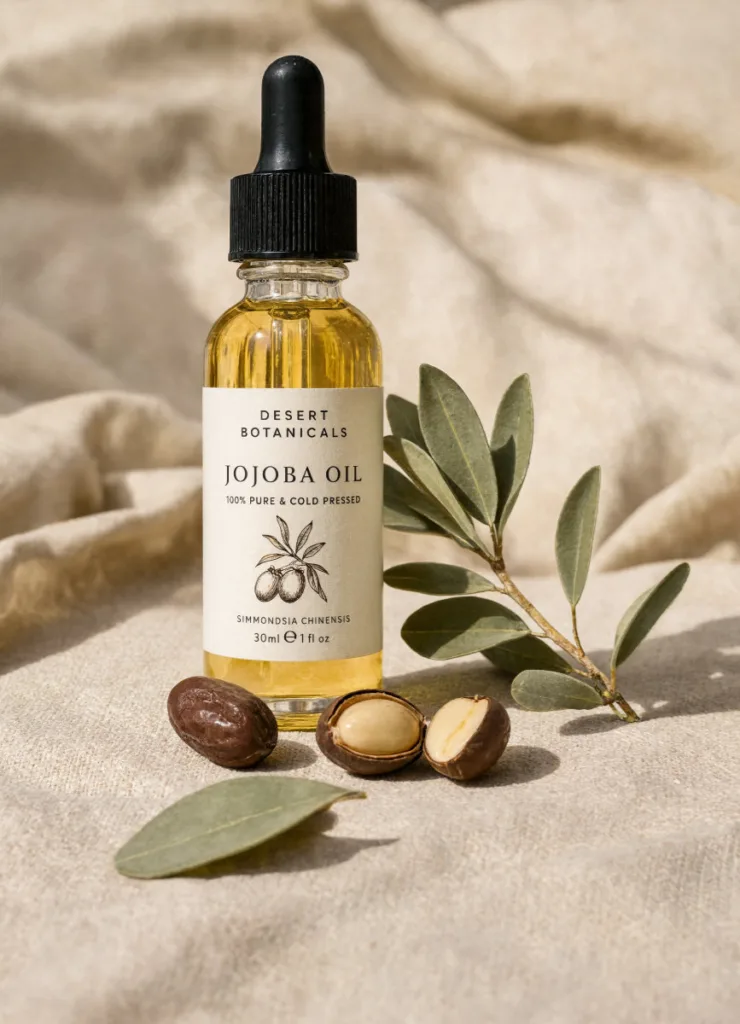
Jojoba oil is a liquid wax, despite the name. Its molecular structure matches the skin’s own sebum (the natural oil from sebaceous glands) closely enough that skin absorbs it without leaving a greasy film or blocking pores.
It contains vitamin E, B-complex vitamins, and iodine, giving it antioxidant and antibacterial properties. Studies suggest it signals skin to reduce sebum overproduction, which is why it works on oily and acne-prone skin types where most oils make things worse.
How to use it: Apply 2–3 drops of pure jojoba oil to damp skin after cleansing, morning or night. It works as a carrier when mixed with other concentrated ingredients like rosehip oil. Look for cold-pressed, unrefined jojoba for maximum potency.
Best for: All skin types, especially oily, combination, and sensitive skin.
How to Combine These Ingredients (and What to Avoid)
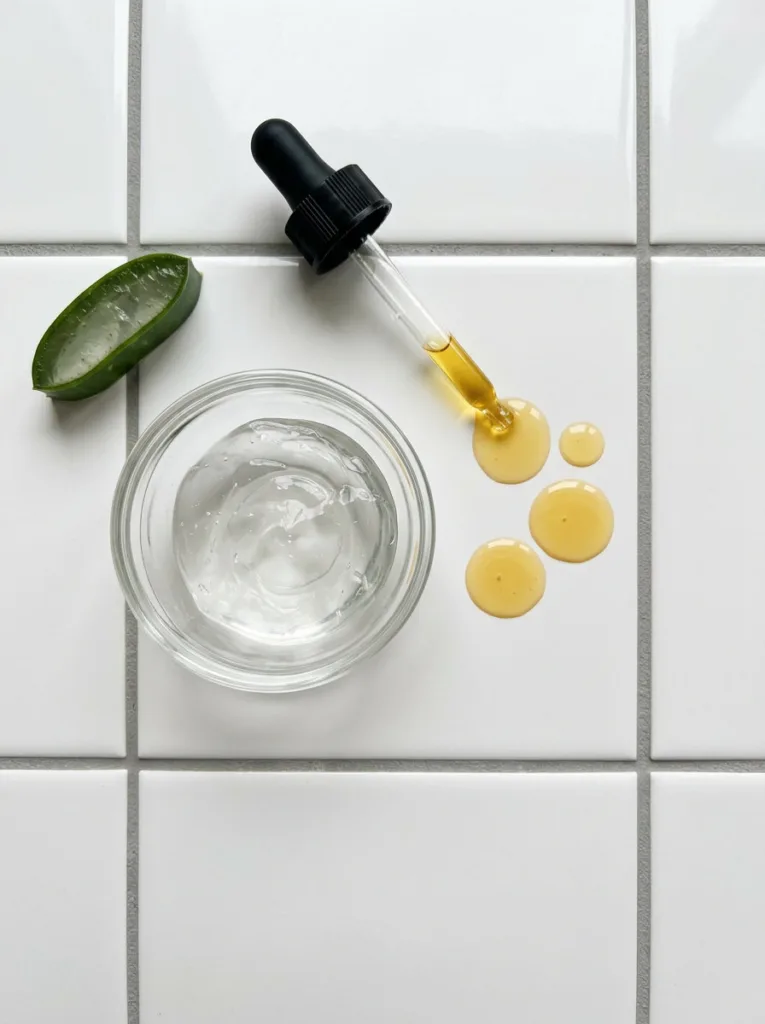
For DIY natural skincare, simple pairs work best. Some of these ingredients complement each other; others don’t — here is what to combine and what to keep separate.
Combinations that work well:
- Aloe vera + jojoba oil: Apply aloe first and let it absorb for a minute, then press 2–3 drops of jojoba on top as a sealant. The aloe hydrates; the jojoba holds moisture in without heaviness.
- Honey + turmeric: Mix 1 tablespoon of raw honey with ½ teaspoon of turmeric for a brightening antibacterial mask. Leave on for 10 minutes. This pairing addresses dullness and acne-causing bacteria at the same time.
- Rosehip oil + jojoba oil: Blend 2 drops of rosehip with 3 drops of jojoba for a lightweight anti-aging night blend. Jojoba dilutes rosehip slightly, making it easier to spread and less likely to pill under moisturizer.
Combinations to avoid:
- Honey + any oil applied simultaneously: Honey is water-based. Layering oil directly over it blocks absorption. If using both, apply honey as a rinse-off mask first, then follow with your oil after cleansing.
- Turmeric + rosehip oil in the same session: Both are active ingredients with brightening and exfoliating properties. Using them together risks over-stimulating sensitive skin. Keep turmeric as a weekly mask on separate evenings from your rosehip oil routine.
How to Match Each Ingredient to Your Skin Type

All five are proven skin-friendly ingredients, but results improve when you match each one to your skin type:
Oily or acne-prone skin: Start with aloe vera and jojoba oil. Both are lightweight and non-comedogenic. Add honey masks 2 times per week for gentle antibacterial action.
Dry or mature skin: Rosehip oil is your best option. Use it every night. Honey masks add a hydration boost. Avoid heavy use of turmeric on very dry skin, as it can be slightly drying in high concentrations.
Sensitive or reactive skin: Aloe vera is the safest starting point. Introduce jojoba oil next. Always patch test any new ingredient on your inner forearm for 24–48 hours before applying it to your face.
Combination skin: Jojoba oil and aloe vera work well across the whole face. Use rosehip oil only on the drier zones (cheeks and jawline) if needed.
For a complete step-by-step layering order, see our skincare routine guide.
Mistakes to Avoid with Natural Skincare Ingredients
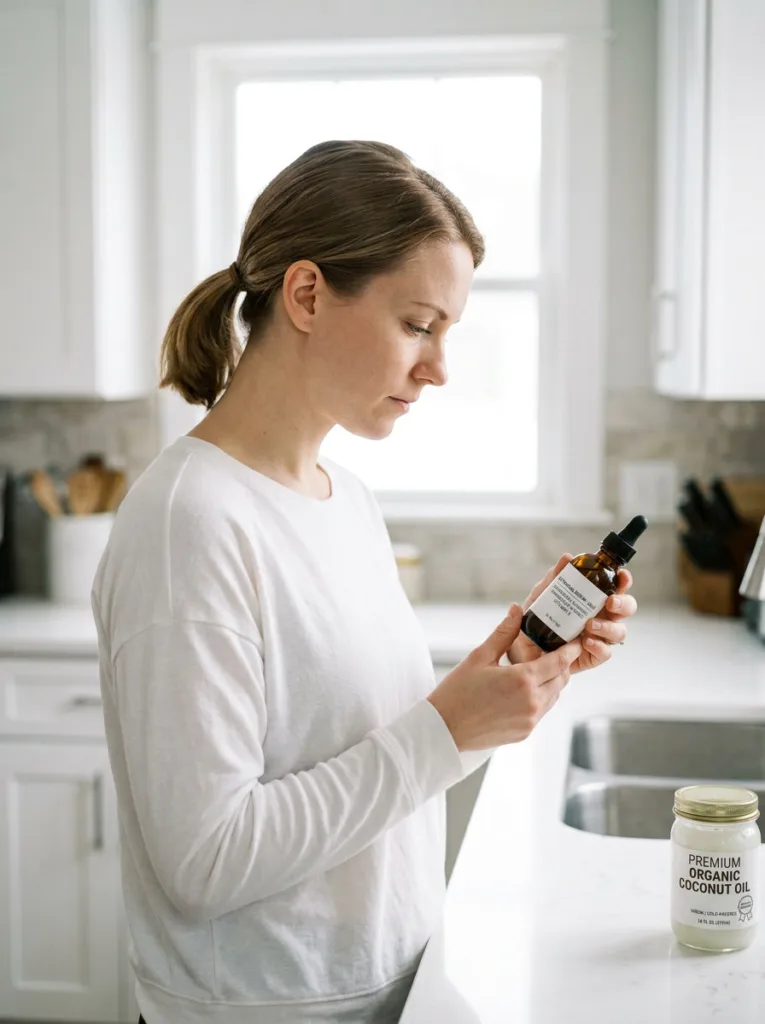
“Natural” does not mean safe for everyone. A few common errors will turn a good ingredient into a problem.
Skip the patch test and you risk a reaction. Even gentle natural ingredients can trigger responses. Honey contains pollen traces. Turmeric can irritate broken or very sensitive skin. Patch test before applying anything new to your face.
Coconut oil clogs pores more than most people realize. It has a comedogenic rating of 4 out of 5, meaning it is highly likely to block pores. Fine for the body and hair, but keep it off your face if you are acne-prone.
Over-mixing ingredients causes irritation. Combining too many active ingredients in one DIY recipe leads to instability or sensitization. Stick to one or two active ingredients per application.
Low-quality versions will not deliver results. Processed honey loses its antibacterial properties. Refined jojoba and rosehip oils lose active compounds. Choose cold-pressed, unrefined, or raw versions for skincare use.
FAQ
What are the most effective natural ingredients for skincare?
Aloe vera, rosehip oil, honey, jojoba oil, and turmeric are among the most effective. Each has clinical support for at least one measurable skin benefit, including hydration, brightening, or barrier repair.
Can I use natural skincare ingredients every day?
Yes, with the right ones. Aloe vera and jojoba oil are gentle enough for daily use. Honey masks and turmeric masks work best 2–3 times per week to avoid over-stimulation.
Are natural skincare ingredients safe for sensitive skin?
Most are, but patch testing matters. Aloe vera is the safest option for sensitive skin. Turmeric can irritate reactive skin, especially in high concentrations. Test before applying to your full face.
Does natural skincare actually work for anti-aging?
Yes. Rosehip oil contains natural vitamin A and vitamin C, both proven to support collagen production and reduce fine lines. A clinical study confirmed measurable results after 8 weeks of consistent use.
Conclusion
Aloe vera, honey, rosehip oil, turmeric, and jojoba oil have decades of research behind them. They work because of specific compounds, not because they’re marketed as natural. Pick the one that matches your skin concern, patch test it, use it consistently, and add a second only once your skin adjusts. A natural skincare routine built around two or three proven ingredients will always outperform ten products stacked on each other.