Vitamin C Serums for Glowing Skin: 14 Real Proven Picks
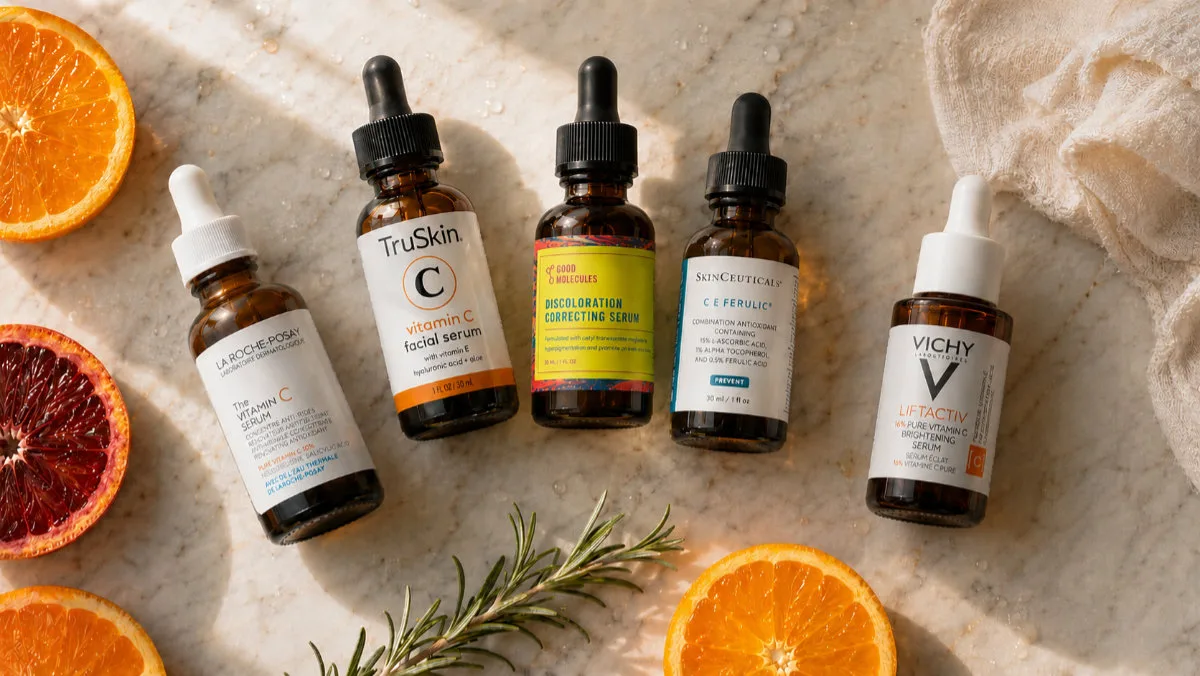
Tried a vitamin C serum and saw zero glow? You’re not doing anything wrong. Maybe it sat in your bathroom cabinet doing nothing. Maybe it turned an odd color before you even finished the bottle. Either way, you probably grabbed the wrong formula for your skin type or one that oxidized before it had a real chance to work.
The right vitamin C serums for glowing skin fade dark spots and even out your tone in a few weeks. Most guides list products and stop there, without matching anything to your skin type. You’re left guessing about strength, storage, and timing.
This guide covers 14 real picks, matched to your skin type, plus the storage and layering rules most sites skip entirely.
What Makes a Vitamin C Serum Actually Work
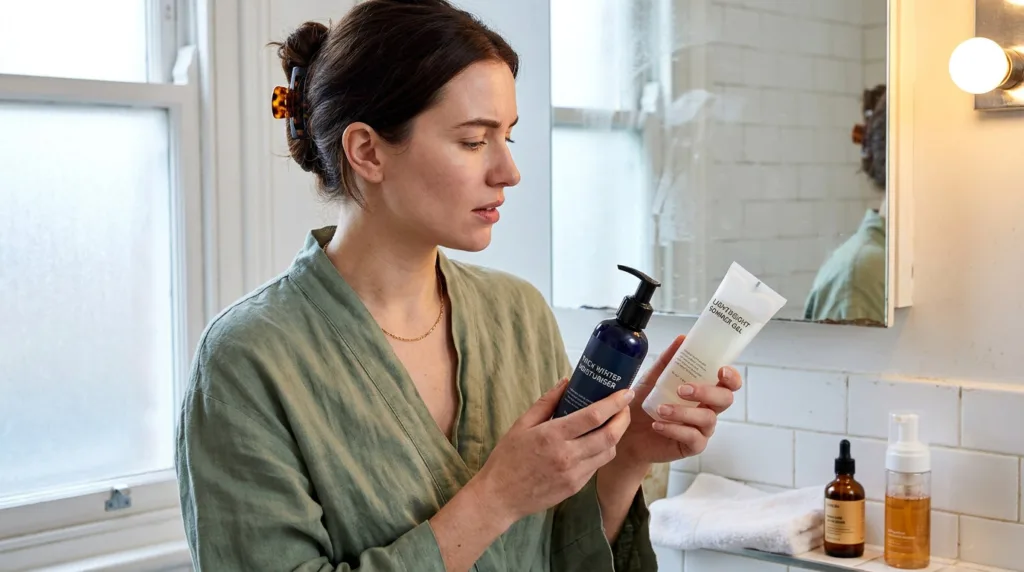
Not every bottle labeled “vitamin C” works the same way. Strength varies. So does stability, since some formulas break down before they even touch your skin. Four factors decide whether a serum brightens your face or wastes your money.
The Ingredient Form
A true ascorbic acid serum built on L-ascorbic acid is the gold standard here. It’s proven to boost collagen and fade hyperpigmentation faster than gentler derivatives do. Give it time, though. A split-face clinical trial on topical vitamin C found measurable brightening after four to eight weeks of daily use.
The Concentration Level
Concentration matters as much as the form does. Dermatologists recommend 10 to 20 percent pure vitamin C for visible brightening without irritation. Below that range, results fade fast and your skin barely notices a difference. Above 20 percent, sensitive skin often reacts with redness, stinging, or peeling.
Stabilizing Ingredients
Pairing the right ingredients changes the outcome too. Formulas with vitamin E and ferulic acid stabilize the vitamin C and multiply its antioxidant power against sun damage. Hyaluronic acid adds hydration on top of that, giving skin a plump, dewy look instead of a flat, bright one.
Texture and Daily Use
Texture decides whether you’ll stick with a serum long enough to see results. A watery formula absorbs fast, but it might feel thin on very dry skin. A gel-cream feels richer, though it can sit heavy under makeup in humid weather. Pick a texture you’ll reach for every morning. Skip it three days a week, and even the best formula won’t do much.
How to Match a Serum to Your Skin Type
Skin type decides which formula works for you. Pick a serum based on price or pretty packaging, and you’ll likely end up with wasted product and irritated skin instead of a glow.
| Skin Type | Look For | Avoid |
| Oily / acne-prone | Sodium ascorbyl phosphate, gel textures | Heavy oils, thick creams |
| Dry / mature | Hyaluronic acid, ceramides | Alcohol-heavy formulas |
| Sensitive | Magnesium ascorbyl phosphate, low strength | High concentrations above 15% |
| Combination | 10-15% ascorbic acid, light hydrators | Rich, heavy formulas |
Oily and Acne-Prone Skin
Go light here. Choose water-based serums built around sodium ascorbyl phosphate. This gentler derivative fades acne marks without clogging pores or adding extra shine. Gel textures absorb fast and layer well under a mattifying moisturizer, which matters if you already fight midday shine.
Dry or Mature Skin
Thicker is better for you. Look for serums built around hyaluronic acid and ceramides, since these lock in moisture while the vitamin C works on fine lines and collagen loss. Cream-based formulas feel more comfortable on skin that already runs tight or flaky.
Sensitive Skin
Start low and slow. Try magnesium ascorbyl phosphate at a lower strength, around 5 to 10 percent. This derivative brightens skin with far less risk of stinging or visible redness. Always patch test on your inner arm for 24 hours before it touches your face.
Combination Skin
A balanced serum works best here: 10 to 15 percent ascorbic acid, paired with light hydrators. It brightens oily zones like the forehead and nose without over-drying your naturally dry cheeks.
Not sure which category fits you? Watch how your skin behaves by midday. Shine across your whole face points to oily skin; tightness points to dry skin; and shine limited to the T-zone points to combination skin.
14 Best Vitamin C Serums for Glowing Skin
This list blends dermatologist favorites, drugstore value picks, and gentle starter formulas, whether you want a vitamin C serum for brightening dark spots or just an all-around glow boost. Every pick earned its spot through proven ingredients, stable packaging, and real results.
Looking for the best vitamin C serum for glow without reading every entry? Scan the table below for a quick match. Then read the full picks underneath for the details on strength, texture, and who each formula suits.
| # | Serum | Best For | Key Ingredient |
| 1 | SkinCeuticals C E Ferulic | Overall / proven results | 15% L-ascorbic acid |
| 2 | Dermalogica Biolumin-C Serum | Uneven tone and texture | Niacinamide |
| 3 | Revision C+ Correcting Complex 30% | Stubborn hyperpigmentation | 30% ascorbic acid |
| 4 | TruSkin Vitamin C Serum | Beginners | Gentle ascorbic acid |
| 5 | The Ordinary Ascorbic Acid 8% + Alpha Arbutin 2% | Budget beginners | 8% ascorbic acid |
| 6 | La Roche-Posay Pure Vitamin C 10 Serum | Beginners with clogged pores | Salicylic acid blend |
| 7 | Avene A-Oxitive Antioxidant Defense Serum | Sensitive skin | Stabilized vitamin C derivative |
| 8 | Vichy Liftactiv Vitamin C Brightening Corrector | Sensitive skin | Hyaluronic acid blend |
| 9 | SkinMedica Vitamin C+E Complex | Mature skin | Vitamin E complex |
| 10 | Ole Henriksen Truth Serum | Mature skin | Collagen peptides |
| 11 | Naturium Vitamin C Complex Serum | Best value | High-potency complex |
| 12 | CeraVe Vitamin C Serum | Best value | Ceramides |
| 13 | Ole Henriksen Banana Bright Vitamin C Serum | Oily skin | Lightweight gel |
| 14 | Good Molecules Discoloration Correcting Serum | Acne-prone skin | Water-light formula |
Best overall picks:
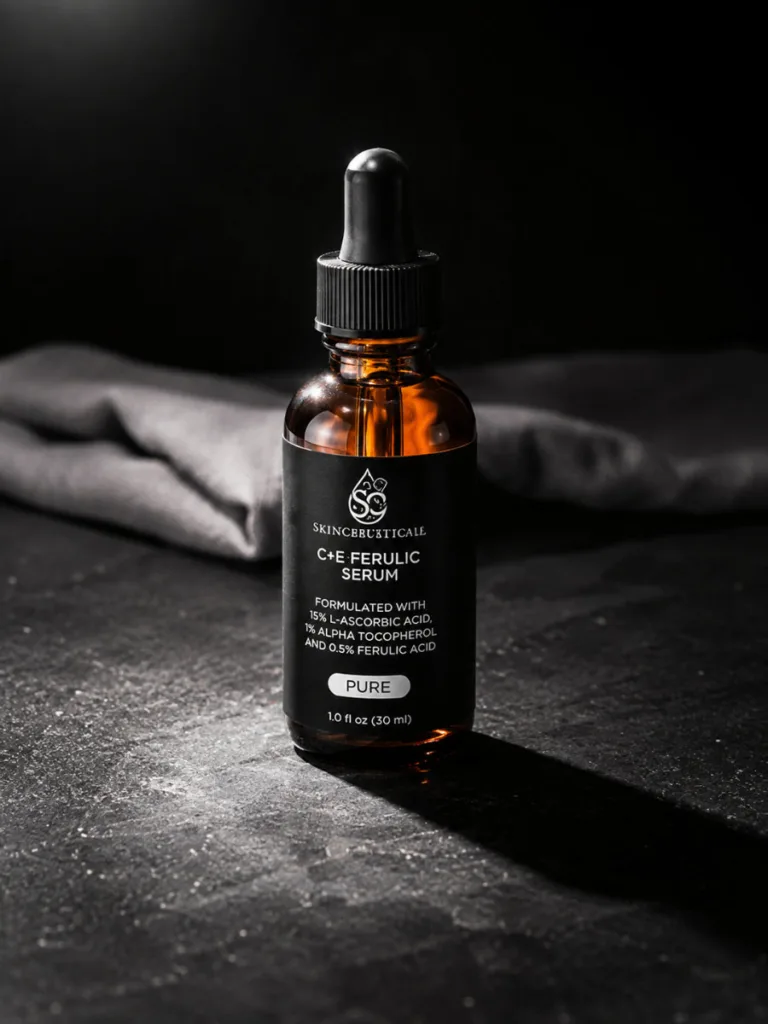
1. SkinCeuticals C E Ferulic
SkinCeuticals C E Ferulic packs 15 percent L-ascorbic acid with vitamin E and ferulic acid for serious antioxidant power against pollution and UV damage. Dermatologists reach for this one first. It fades dark spots, firms skin, and layers cleanly under moisturizer and sunscreen without feeling greasy.
2. Dermalogica Biolumin-C Serum
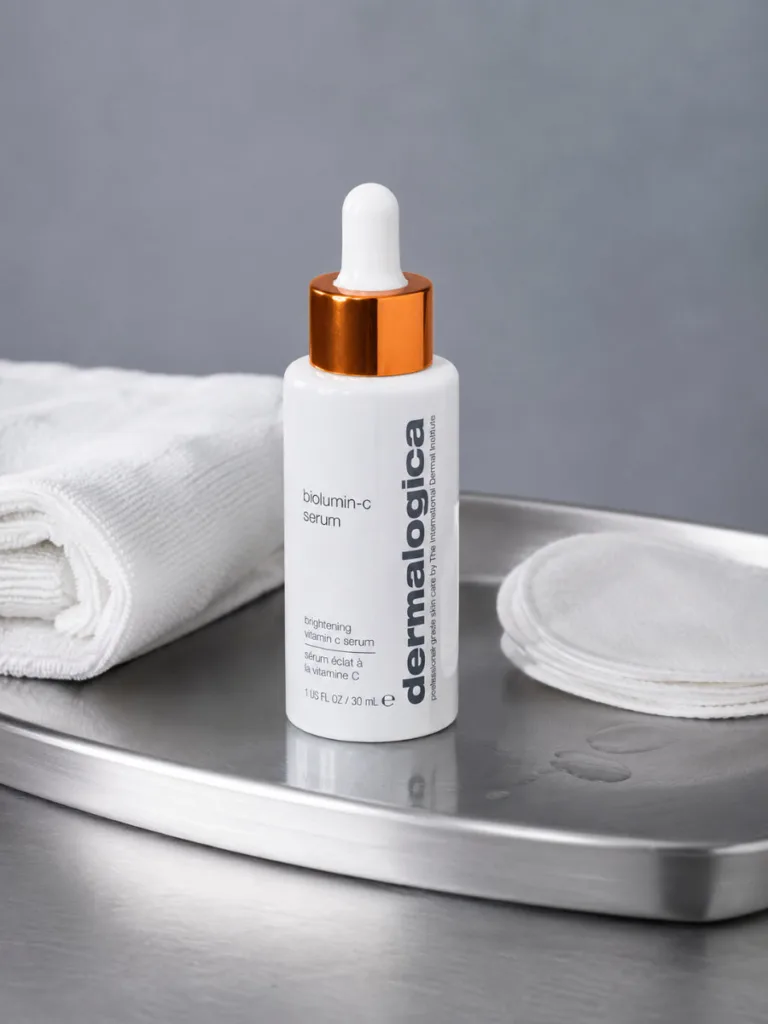
Dermalogica Biolumin-C Serum pairs a stabilized vitamin C complex with niacinamide and licorice root extract to tackle uneven tone and dullness. The lightweight gel absorbs fast under makeup. Give it two weeks. Most users notice real brightening, especially on normal or combination skin.
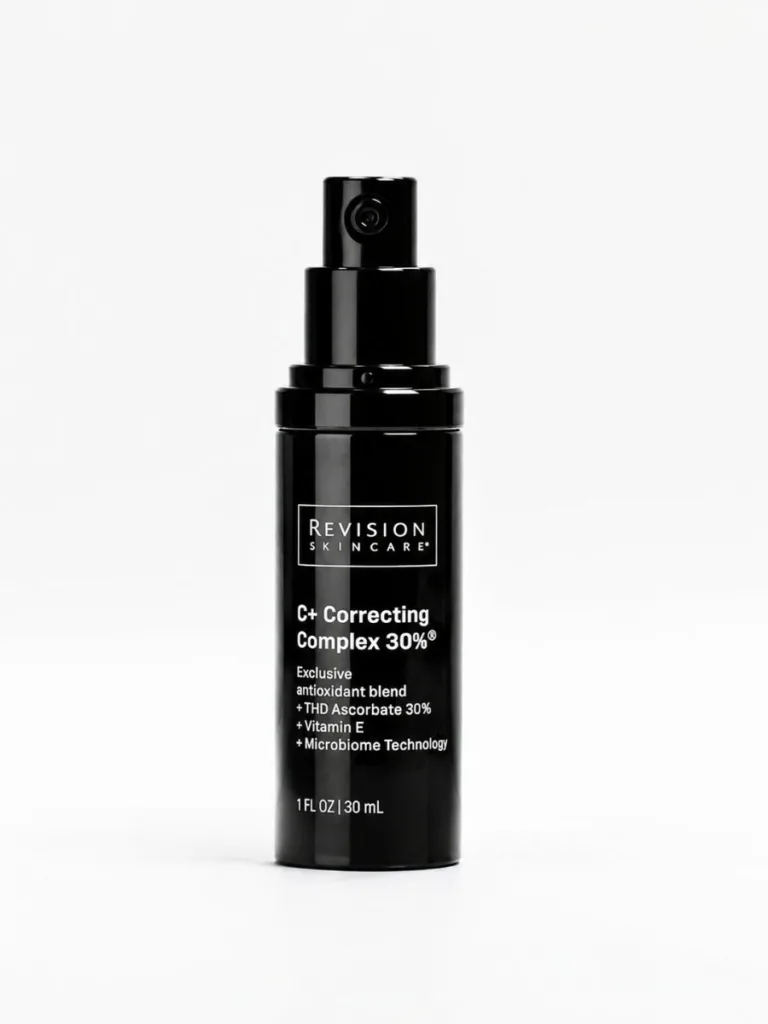
3. Revision C+ Correcting Complex 30%
Revision C+ Correcting Complex 30% brings a hefty 30 percent vitamin C concentration, one of the strongest picks here. Dermatologists recommend it for stubborn hyperpigmentation and melasma that lighter formulas can’t touch. Start slow, though. Two or three weekly applications first, since it can irritate.
Best for beginners:
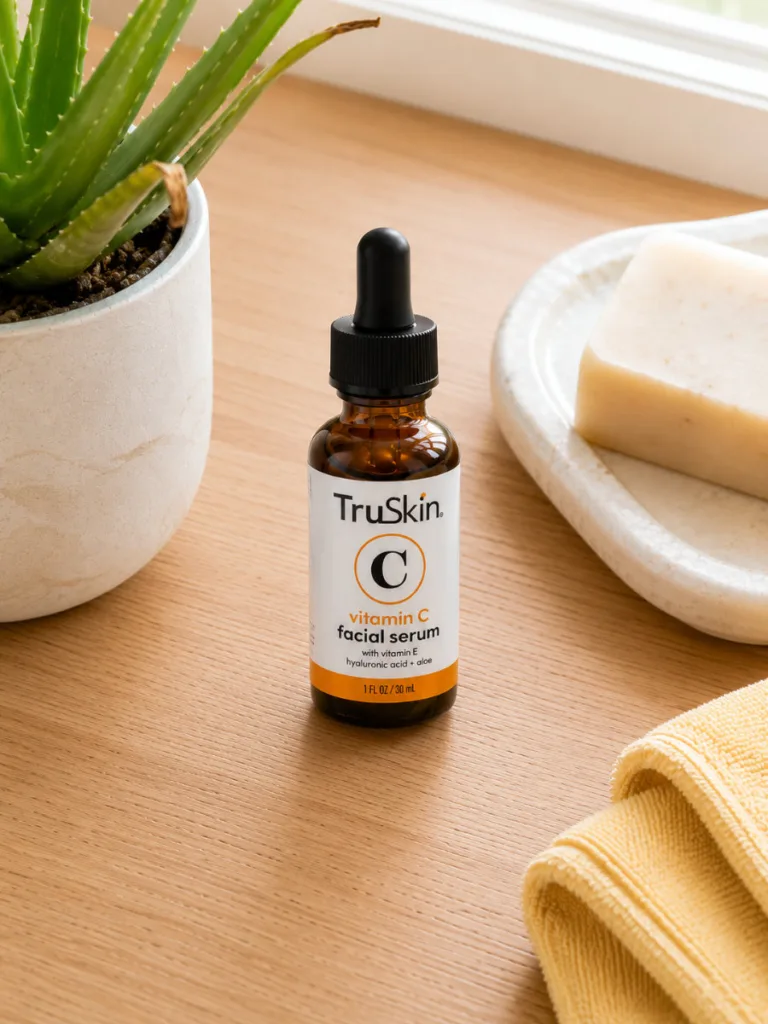
4. TruSkin Vitamin C Serum
TruSkin Vitamin C Serum blends vitamin C with hyaluronic acid, vitamin E, and botanicals like aloe and jojoba. It’s gentle, it’s cheap, and it barely ever irritates. That makes it a smart starting point if you’ve never tried vitamin C. Expect visible tone improvement within a month.
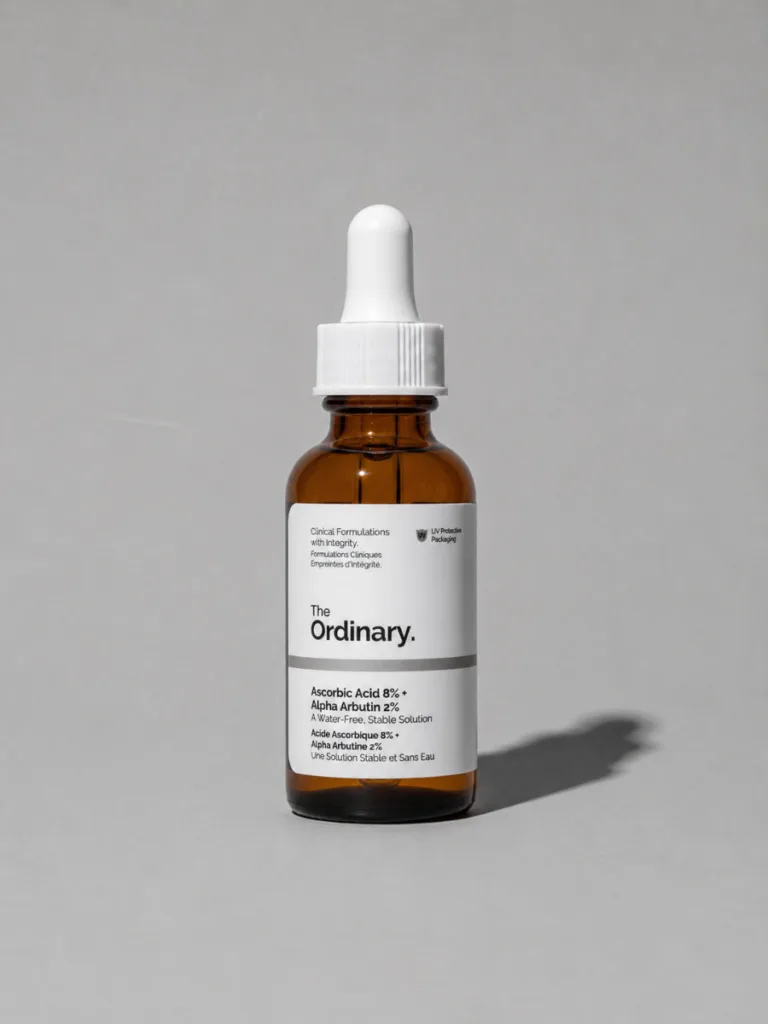
5. The Ordinary Ascorbic Acid 8% + Alpha Arbutin 2%
The Ordinary Ascorbic Acid 8% + Alpha Arbutin 2% pairs pure vitamin C with alpha arbutin to hit stubborn discoloration from two angles at once. The water-free formula stays stable longer than most, though the texture can feel a little grainy. Real brightening power, budget price.
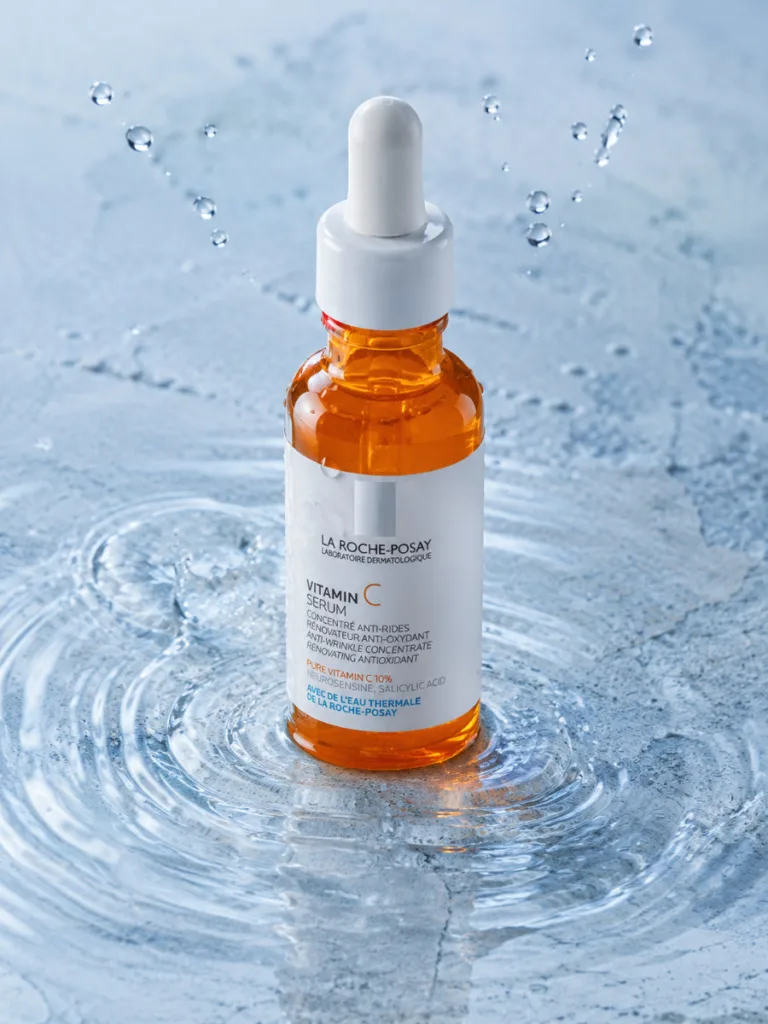
6. La Roche-Posay Pure Vitamin C 10 Serum
La Roche-Posay Pure Vitamin C 10 Serum uses 10 percent pure ascorbic acid with salicylic acid, so it unclogs pores while fading acne scars and evening tone. The oil-free texture absorbs without any greasy film. Good pick if breakouts and dark marks both bother you.
Best for sensitive skin:
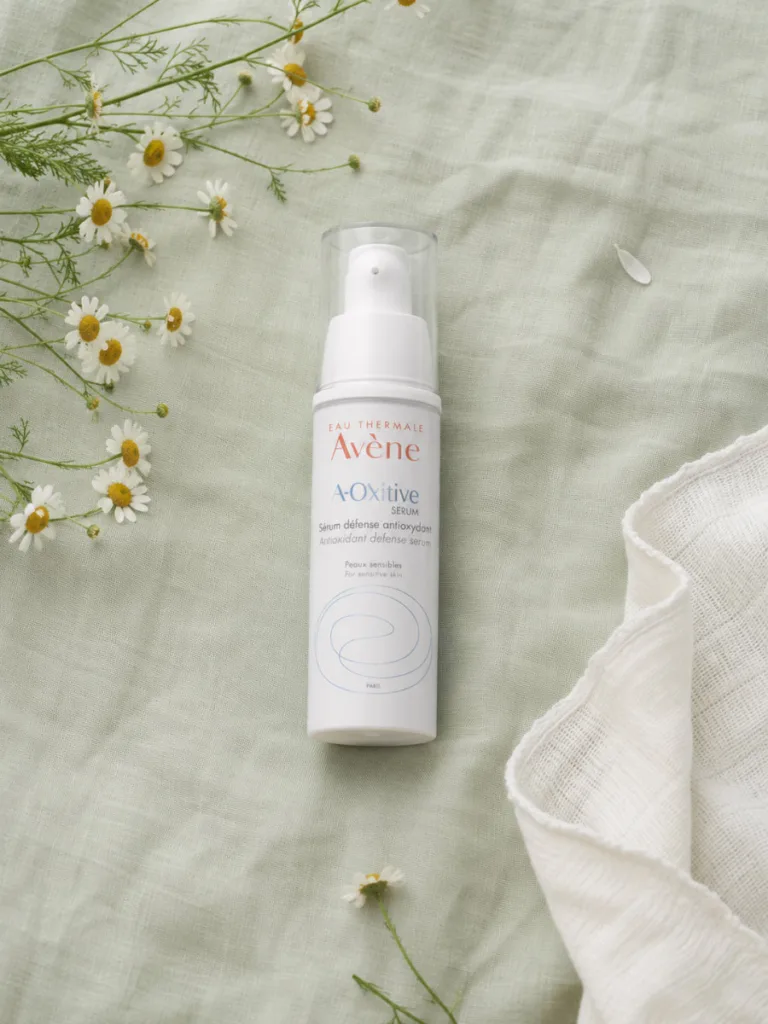
7. Avene A-Oxitive Antioxidant Defense Serum
Avene A-Oxitive Antioxidant Defense Serum relies on a stabilized vitamin C derivative with pre-tocopheryl, a vitamin E precursor, so it brightens without triggering reactivity. This thermal-spring-water brand built it for reactive or rosacea-prone skin. Don’t expect overnight results. It builds gradually over several weeks.
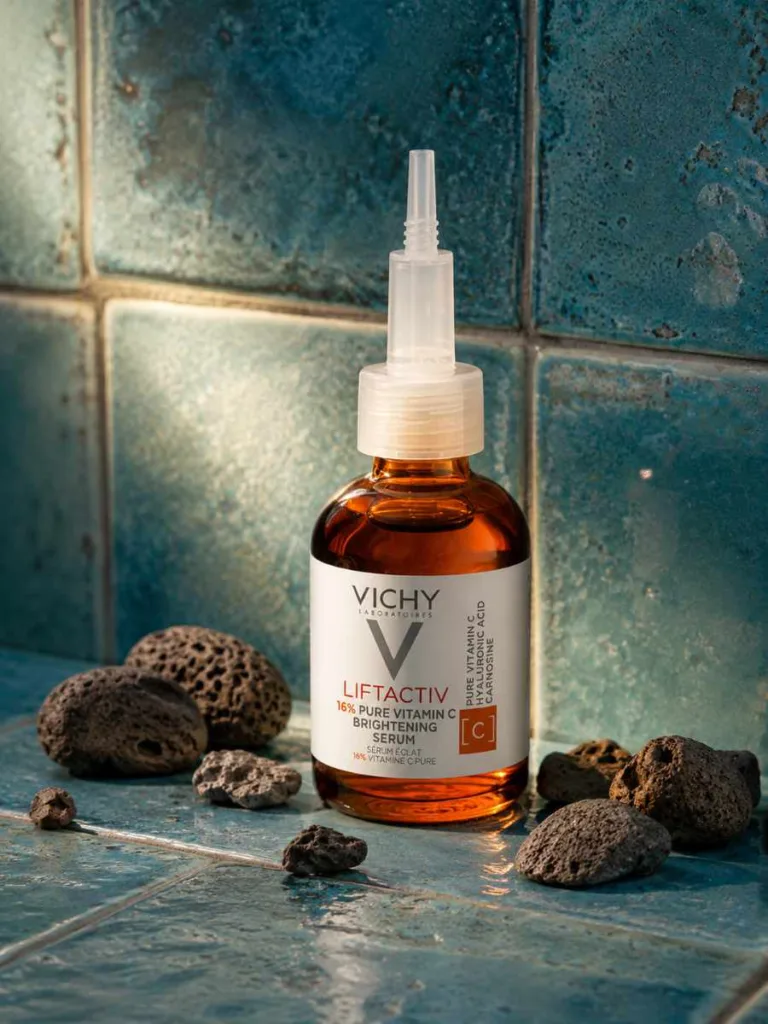
8. Vichy Liftactiv Vitamin C Brightening Corrector
Vichy Liftactiv Vitamin C Brightening Corrector combines 15 percent pure vitamin C with hyaluronic acid, so it brightens and hydrates at the same time. The fast-absorbing, non-comedogenic texture won’t clog pores. Combination and sensitive skin both tolerate it well, and tone evens out with regular use.
Best for mature skin:
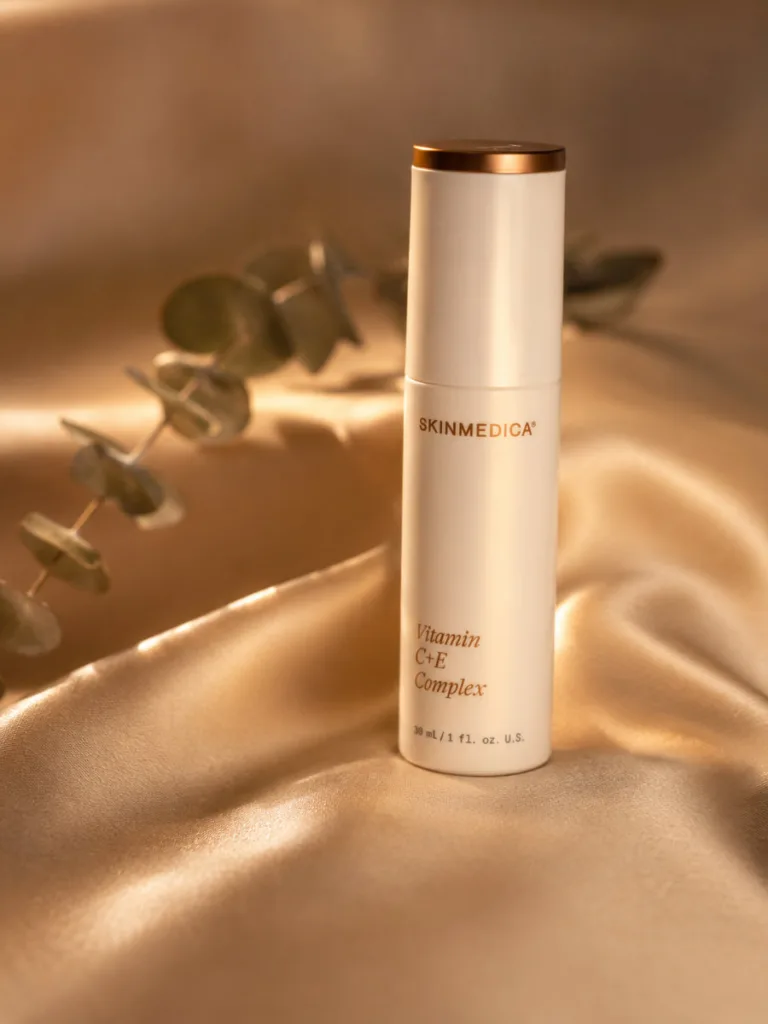
9. SkinMedica Vitamin C+E Complex
SkinMedica Vitamin C+E Complex was built for mature skin dealing with fine lines, sun damage, and slower collagen turnover. The oil-based formula pairs vitamin C and vitamin E with extra antioxidants for protection that lasts. Dermatologists often recommend it after in-office procedures to help skin recover.
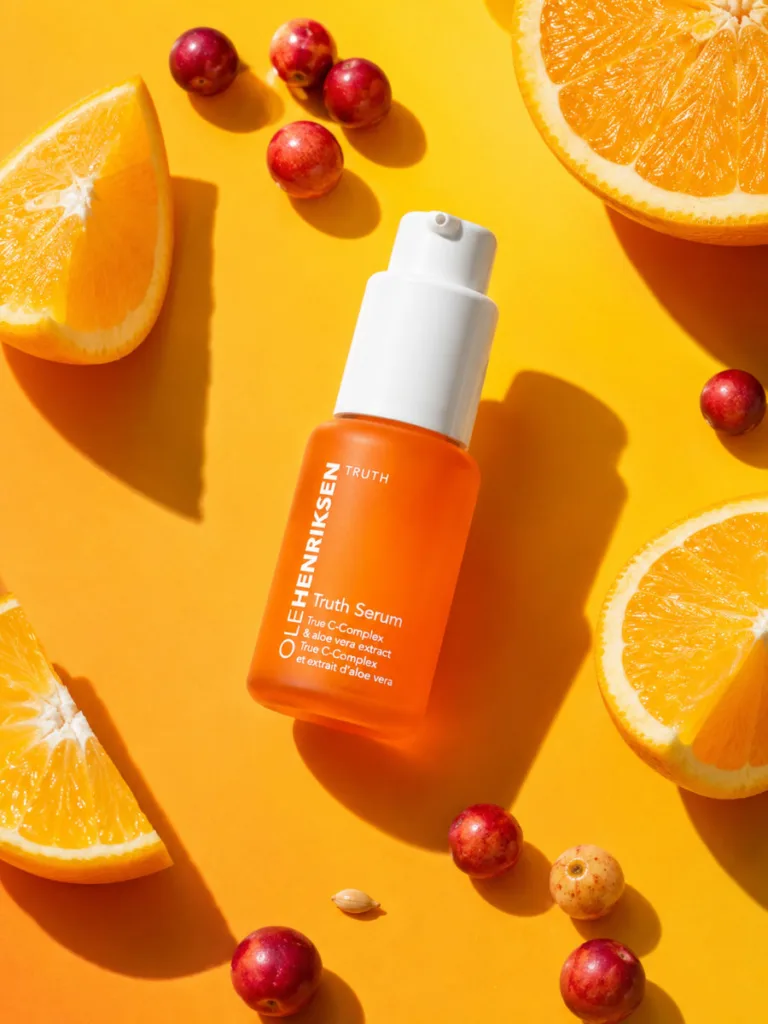
10. Ole Henriksen Truth Serum
Ole Henriksen Truth Serum combines vitamin C with collagen-boosting peptides and camu camu berry extract, a natural vitamin C source in its own right. Lightweight and fast-absorbing, it brightens while gradually firming texture. A longtime Sephora bestseller for anyone who wants glow and anti-aging in one step.
Best value picks:
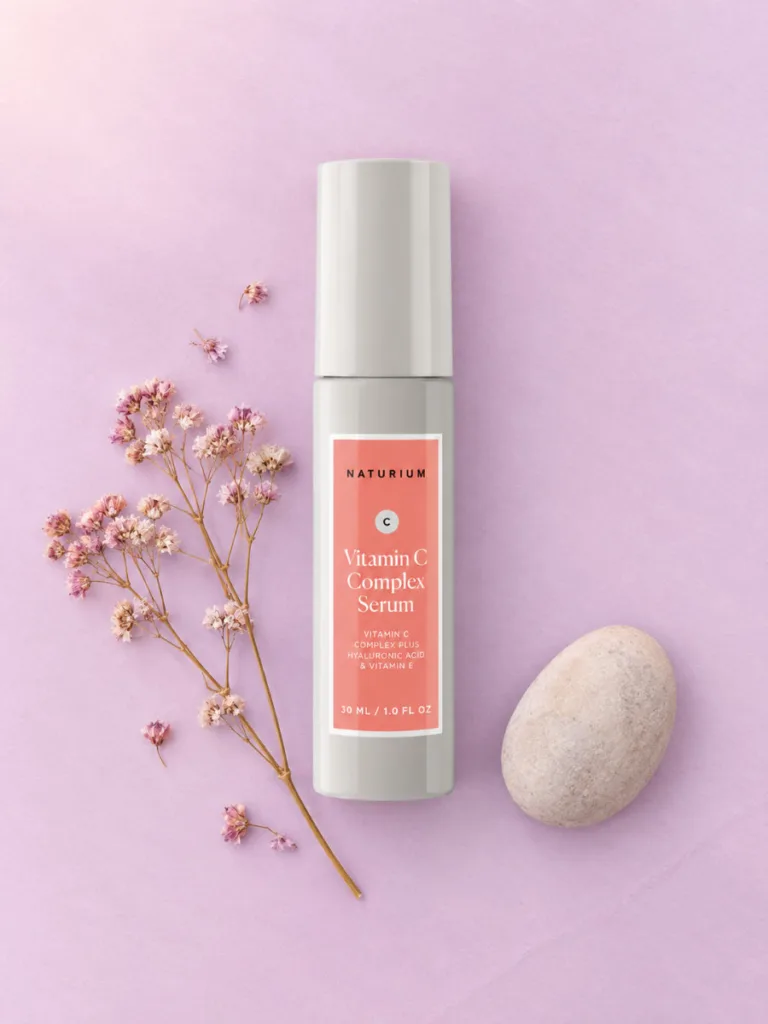
11. Naturium Vitamin C Complex Serum
Naturium Vitamin C Complex Serum blends multiple stable forms of vitamin C with ferulic acid, so it resists oxidation longer than single-form formulas do. This budget pick built a following for delivering clinical-level brightening at drugstore prices. The lightweight texture absorbs fast and layers easily.
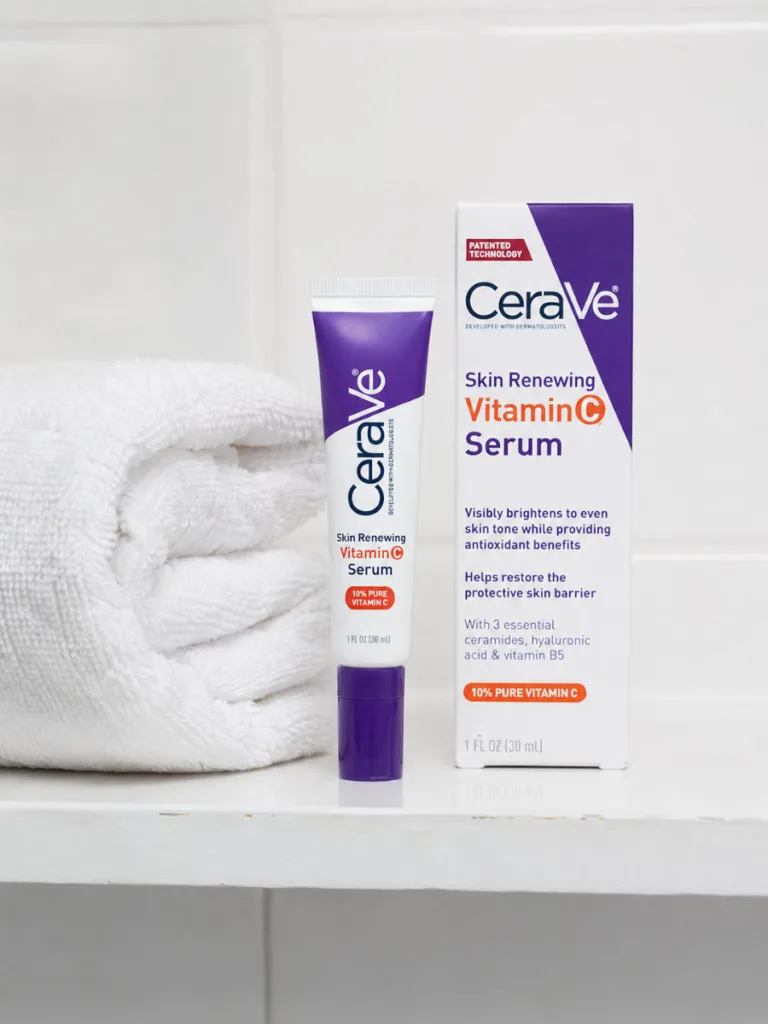
12. CeraVe Vitamin C Serum
CeraVe Vitamin C Serum combines vitamin C with hyaluronic acid and three essential ceramides, so it brightens while reinforcing your skin barrier. Developed with dermatologists, this fragrance-free formula suits anyone worried that brightening actives might weaken their skin. Great choice for dry or sensitized skin.
Best for oily skin:
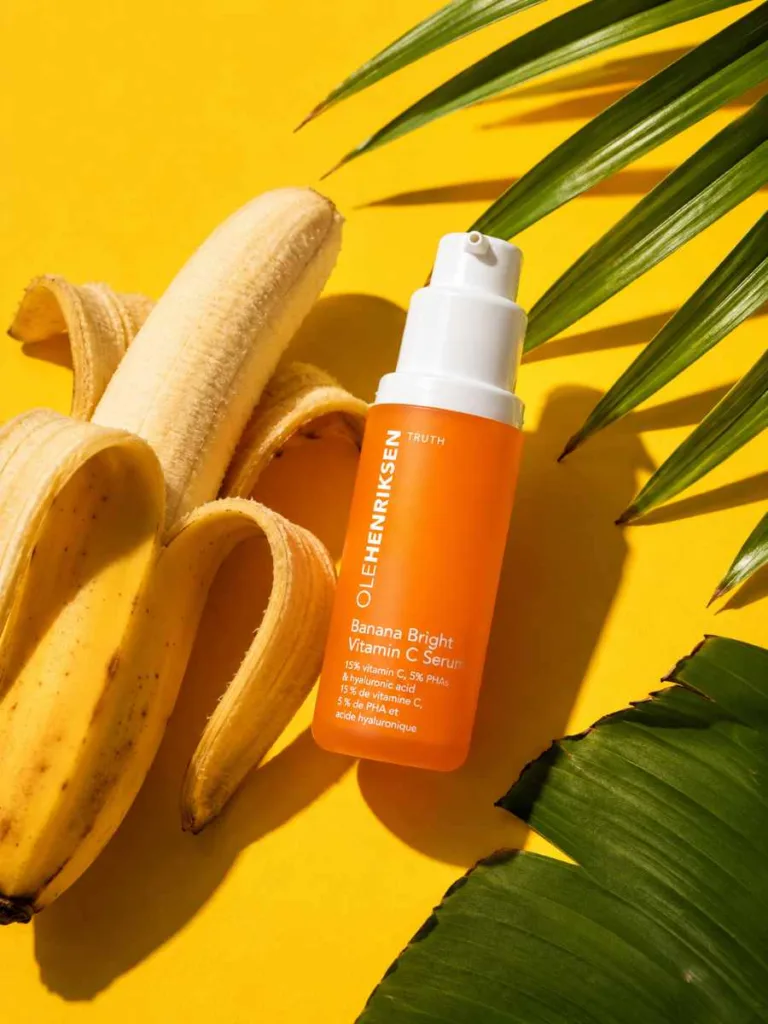
13. Ole Henriksen Banana Bright Vitamin C Serum
Ole Henriksen Banana Bright Vitamin C Serum uses a lightweight gel-cream texture with banana extract to control shine while brightening tone. It absorbs fast and blurs imperfections without any oily residue. A solid match for oily and combination skin that still wants an even, glowing finish.
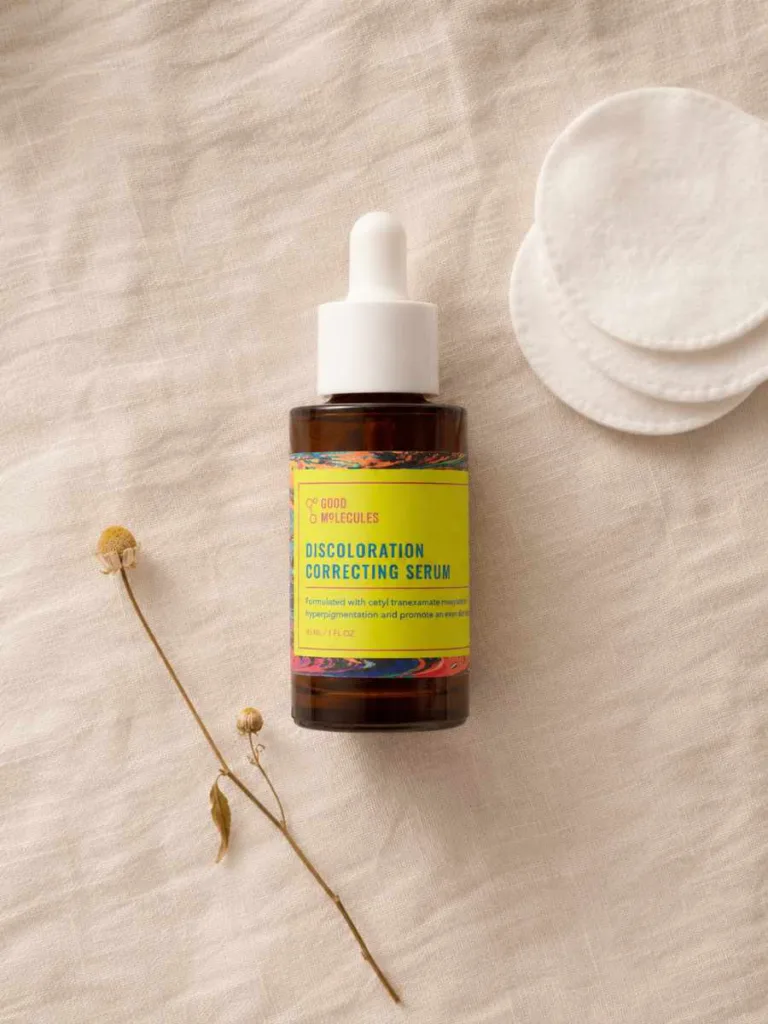
14. Good Molecules Discoloration-Correcting Serum
Good Molecules Discoloration Correcting Serum combines vitamin C derivatives with tranexamic acid and niacinamide to combat discoloration from multiple angles. The water-light formula absorbs instantly and won’t clog pores. Reliable for acne-prone skin, and this budget pick treats post-acne marks without any heavy feel.
How to Use an Ascorbic Acid Serum for Real Results
Timing matters. So does technique. Get either wrong, and your serum sits half-used in a drawer for months while you wonder why nothing changed.
Your morning routine, step by step:
- Cleanse your face and pat it fully dry.
- Apply 3 to 5 drops of vitamin C serum to clean skin.
- Gently pat it in and let it fully absorb, about 60 seconds.
- Follow with moisturizer to seal in hydration.
- Finish with sunscreen every single morning without exception.
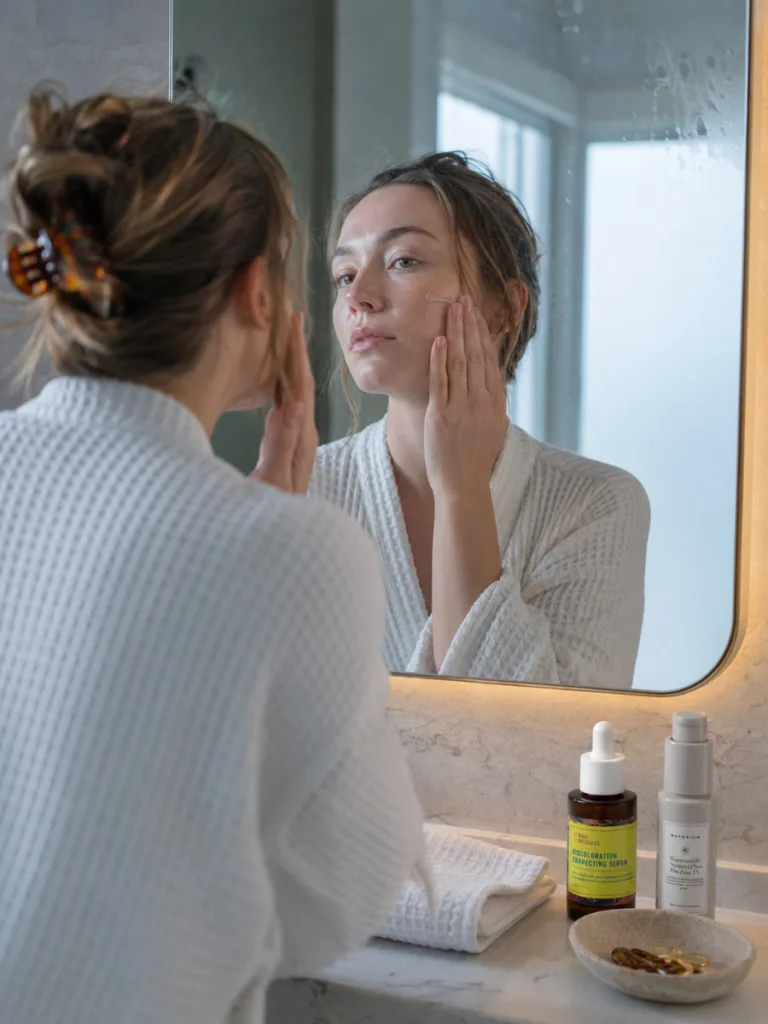
Morning use protects skin against daily sun damage and free radical exposure. That’s when vitamin C works hardest. Save retinol for night. Mixing the two in one routine often causes irritation, and it can cancel out the benefits of both.
Storage rules that protect potency:
- Keep the bottle in a cool, dark spot, away from direct sunlight and bathroom humidity.
- Choose dark, airtight glass bottles over clear plastic whenever possible.
- Store in the fridge if you want an extra cooling effect on puffy mornings, though this step is optional.
- Keep the cap tightly closed between uses to limit air exposure.
Light and heat break down ascorbic acid fast. That’s exactly why quality brands package it in dark glass instead of clear plastic.
Common Mistakes That Kill Your Glow
Even a great serum fails when it’s paired with bad habits. These mistakes show up again and again in real routines. Each one has a simple fix.
- Skipping sunscreen after vitamin C. Your unprotected skin keeps taking sun damage all day. That undoes most of the benefit right there.
- Jumping to too high a concentration too soon. This causes redness and peeling that can last for days.
- Mixing vitamin C with strong acids like glycolic acid too early. It often backfires and leaves skin raw before your face adjusts.
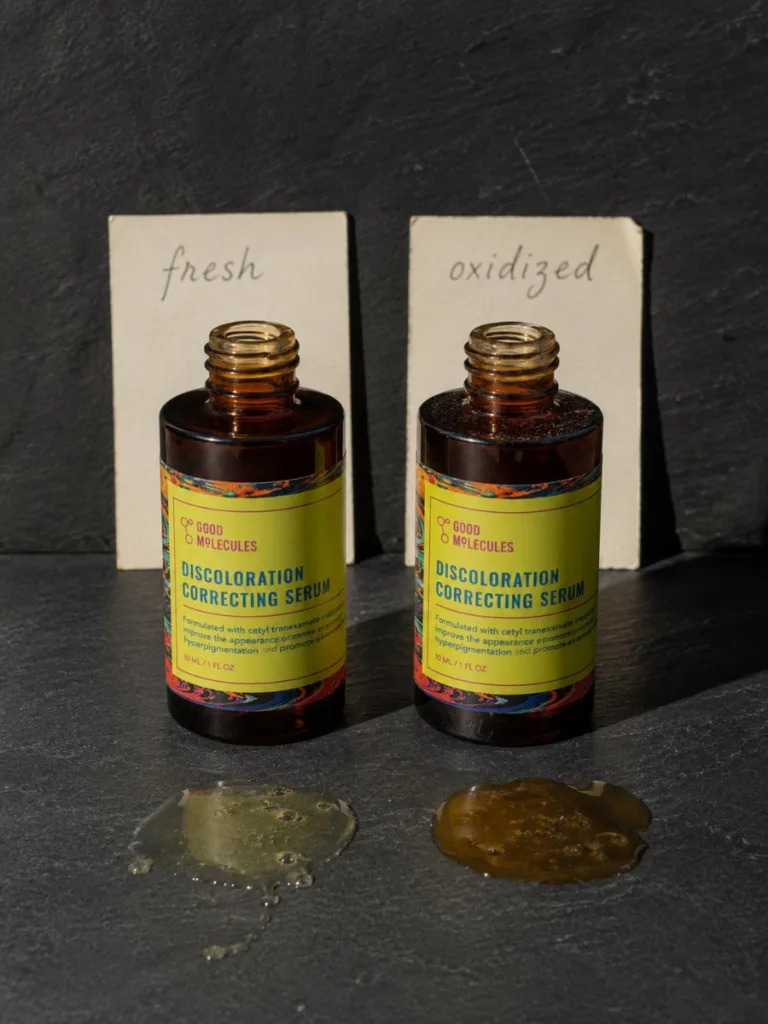
- Ignoring color and smell changes. Turned brown? Smells sharp and metallic? That serum has oxidized. Toss it, even if the bottle isn’t empty.
- Applying serum to damp skin. Water straight from the shower dilutes the formula and weakens your results. Pat your face fully dry first.
- Layering too many actives at once. Vitamin C, retinol, and exfoliating acids together overwhelm the skin barrier. That usually triggers breakouts, not glow.
Natural Vitamin C Boosters for Extra Glow
Store-bought serums aren’t the only source of glow-boosting vitamin C. A few natural additions can support your routine between applications. They won’t replace your main serum, but they help.
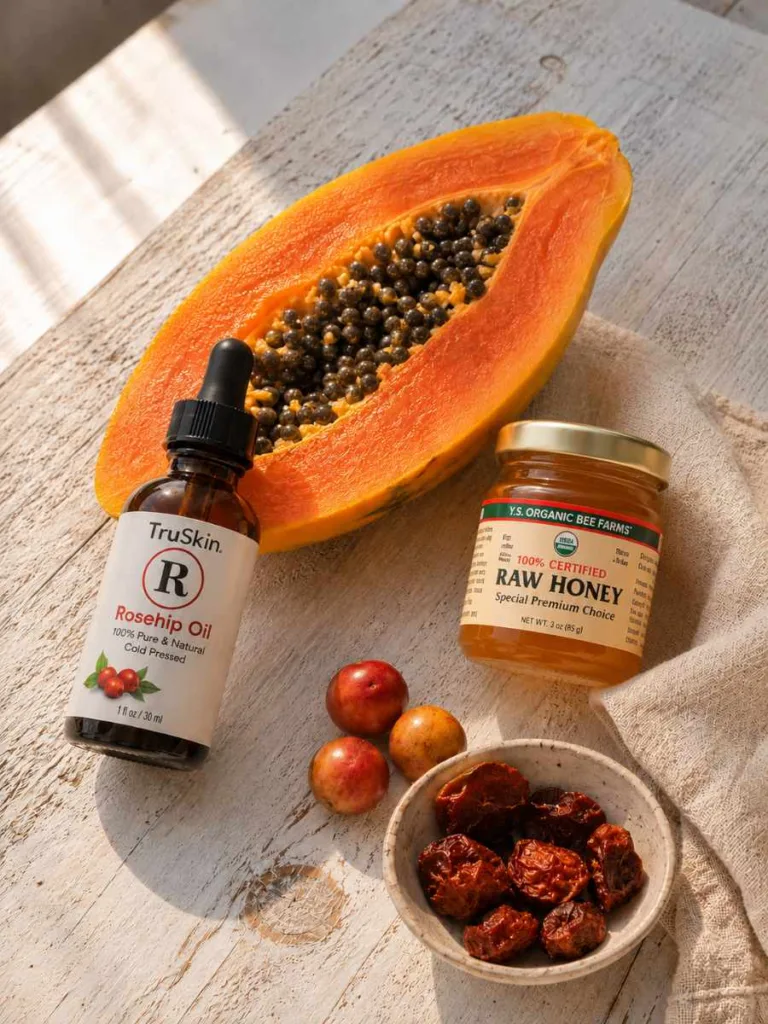
- Rosehip oil. It’s packed with natural vitamin C and fatty acids that support skin repair overnight while you sleep.
- Camu camu extract. You’ll find it in some clean beauty serums. It delivers one of the highest natural vitamin C concentrations of any plant on record.
- Papaya and honey mask. Mash fresh papaya with honey for mild brightening enzymes alongside natural vitamin C. Costs almost nothing to try.
- Acerola cherry extract. Ranks high in natural vitamin C and shows up in several clean beauty toners. Brush it on before your serum for a light antioxidant layer.
These work alongside your serum. They won’t replace it. Fresh fruit-based masks oxidize fast once cut open, so make them right before use and rinse off within 15 minutes. None of this replaces sunscreen, either. Keep that step no matter which boosters you add.
FAQ Section
Can I use vitamin C serum every day?
Yes. Daily morning use is safe for most skin types. It fades dark spots faster and protects against free radicals along the way.
What percentage of vitamin C works best for glowing skin?
Most dermatologists recommend 10 to 20 percent pure ascorbic acid. Got sensitive skin? Start lower and build up slowly.
Can I use vitamin C serum with niacinamide?
Yes. Modern formulas play well together. Layering the two often boosts brightening results even more.
How long until I see glowing skin results?
Most people notice brighter skin within 1 to 2 weeks. Dark spots take longer, usually 6 to 8 weeks of daily use.
Does vitamin C serum expire?
Yes. Oxidized serum turns dark yellow or brown and loses its power. Notice a color or smell change? Time to replace it.
Is L-ascorbic acid better than other vitamin C derivatives?
Yes, for speed and strength. But derivatives like sodium ascorbyl phosphate work slower and suit sensitive skin far better.
Conclusion
Pick the right vitamin C serum for your skin type, and use it correctly every single morning. Store it properly, skip risky ingredient mixes, and give the routine a full four weeks before judging results. Then pick one serum from this list today, use it consistently, and pair it with daily sunscreen to lock in a real, lasting glow.
For more skin care tips and products, please visit VelvetBoard.