
5 Ways to Make Your Hair Soft and Silky Overnight Fast!

Ever fall asleep with freshly washed hair, then wake up to a tangled, straw-like mess? Rough mornings like that are not about bad luck or bad hair type. They come down to what happens while you sleep.
Your hair actually repairs itself best overnight if you give it the right conditions. Heat, friction, and dry air can undo hours of good care in one restless night. The fix is not a new shampoo or an expensive treatment. It is a few smart moves before you close your eyes.
These five overnight methods work with your hair’s natural repair window instead of against it. Pick one tonight, and wake up to soft and silky hair overnight instead of a tangled mess. You already have most of what you need at home.
Quick answer: Warm oil, coconut milk and aloe vera, a silk pillowcase, banana and honey, or a loose overnight braid all soften hair by morning. Pick the one that matches the supplies you already have.
| Method | Best For | Prep Time |
| Warm oil massage and wrap | Dry, rough, or relaxed hair | 5 to 10 minutes |
| Coconut milk and aloe vera mask | Damaged or chemically treated hair | 5 minutes |
| Silk or satin pillowcase and bonnet | Every hair type, daily use | Under 1 minute |
| Banana and honey mask | Dull, frizzy hair | 10 minutes |
| Loose braid or twist | Long or medium hair prone to tangling | 5 minutes |
Why Hair Loses Its Softness While You Sleep
Hair turns rough and dull for a clear reason. The outer layer, called the cuticle, lifts when it loses moisture. Picture tiny shingles on a roof. When they lie flat, light bounces off smoothly. When they lift, light scatters everywhere. That’s why dry hair looks dull, even under good lighting.
What causes the lifting? Heat styling, hard water, and cotton pillowcases pull moisture out fast. Chlorine, sun, and frequent coloring don’t help either. Then friction from tossing and turning roughens the cuticle up even more. String a few nights together, and hair starts feeling straw-like by morning.
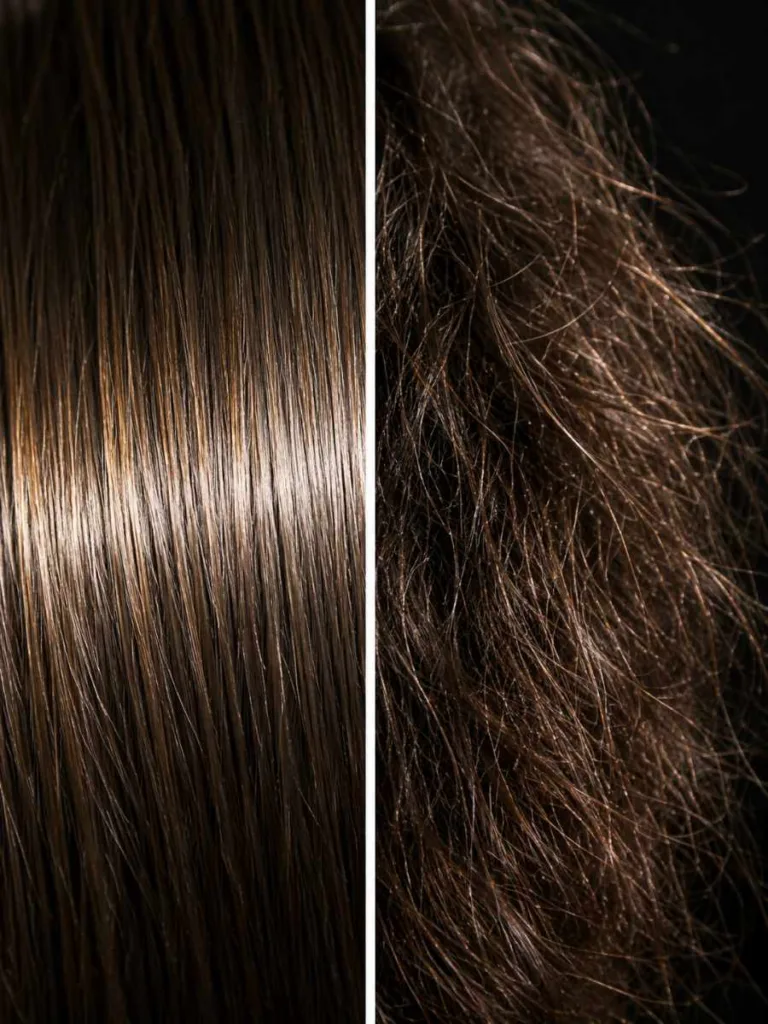
Here’s the good part, though. A raised cuticle usually isn’t permanent damage. It responds fast to moisture, protein, and gentle handling, especially overnight, when your hair finally sits still. Stick with a gentle routine, and most people notice smoother strands within a few weeks.
Prep Your Hair Before Bed for Better Results
Good overnight hair care starts before you even open a jar of anything. What you do in the ten minutes before bed matters just as much as the treatment itself. Skip the prep, and you waste even the best overnight mask.
Run through this quick checklist first:
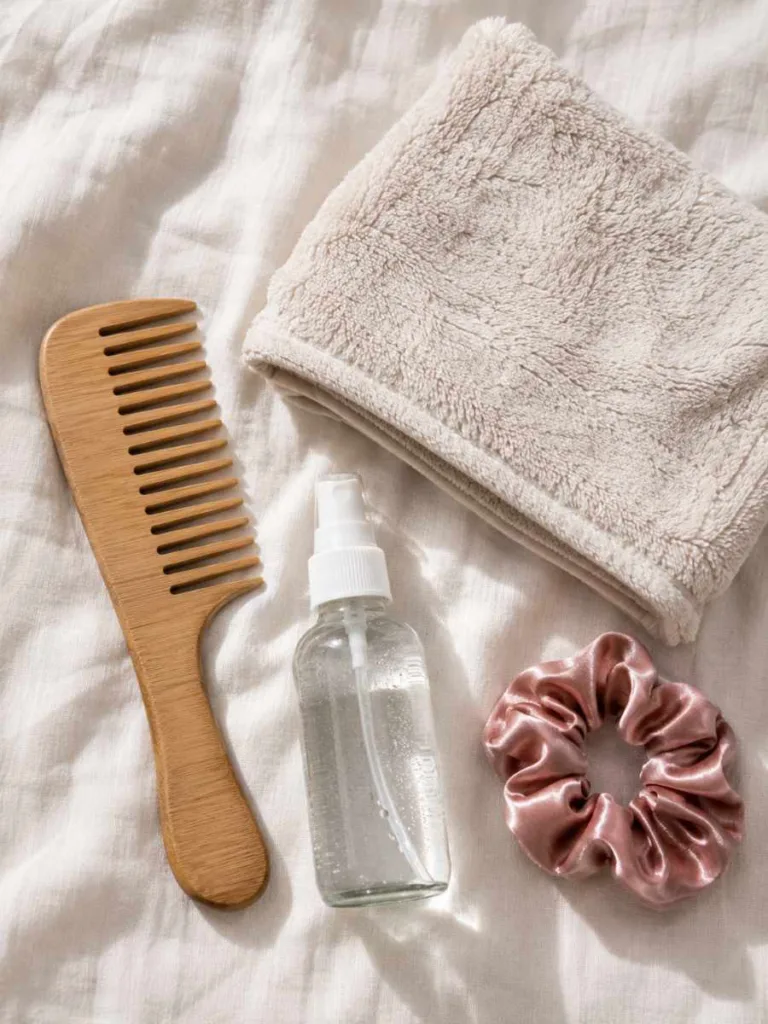
- Detangle first. Use a wide-tooth comb on wet hair, working from the ends upward in small sections.
- Skip soaking wet hair. Prolonged dampness weakens the hair shaft, invites frizz, and can leave a musty scalp odor.
- Aim for damp, not dripping. A microfiber towel squeeze removes excess water fast without adding friction.
- Clean your tools. Rinse your hairbrush and pillowcase regularly, since both collect oil and product residue that blocks absorption.
- Spritz if needed. A light water spray before bed adds extra moisture without overloading dry strands.
5 Ways to Make Your Hair Soft and Silky Overnight
Each method below tackles a different cause of rough hair. Some fight dehydration. Others stop friction damage before it starts. Pick one tonight. Or rotate through all five across the week and build a full routine around whatever your hair needs most.
1. Warm Oil Massage and Wrap
Warm oil beats cold oil, hands down. It sinks into the hair shaft instead of just sitting on top. It carries fatty acids deep into each strand, where they do real work. Coconut oil, argan oil, and castor oil all work well here, each with its own texture. And this method plays nice with almost every hair type, including color-treated and chemically relaxed strands.
What you need: 2 tablespoons of coconut, argan, or castor oil (1 tablespoon for fine hair), a shower cap, a warm towel
How to do it:
- Warm the oil until it feels comfortable on your skin, never hot.
- Massage it into your scalp and through your hair for five minutes with your fingertips.
- Twist your hair up and cover it with a shower cap.
- Wrap a warm towel around your head for ten minutes before bed. The heat opens the cuticle so oil sinks in deeper.
- Sleep with the cap on. In the morning, rinse with a gentle shampoo and follow with a light conditioner.

2. Coconut Milk and Aloe Vera Mask
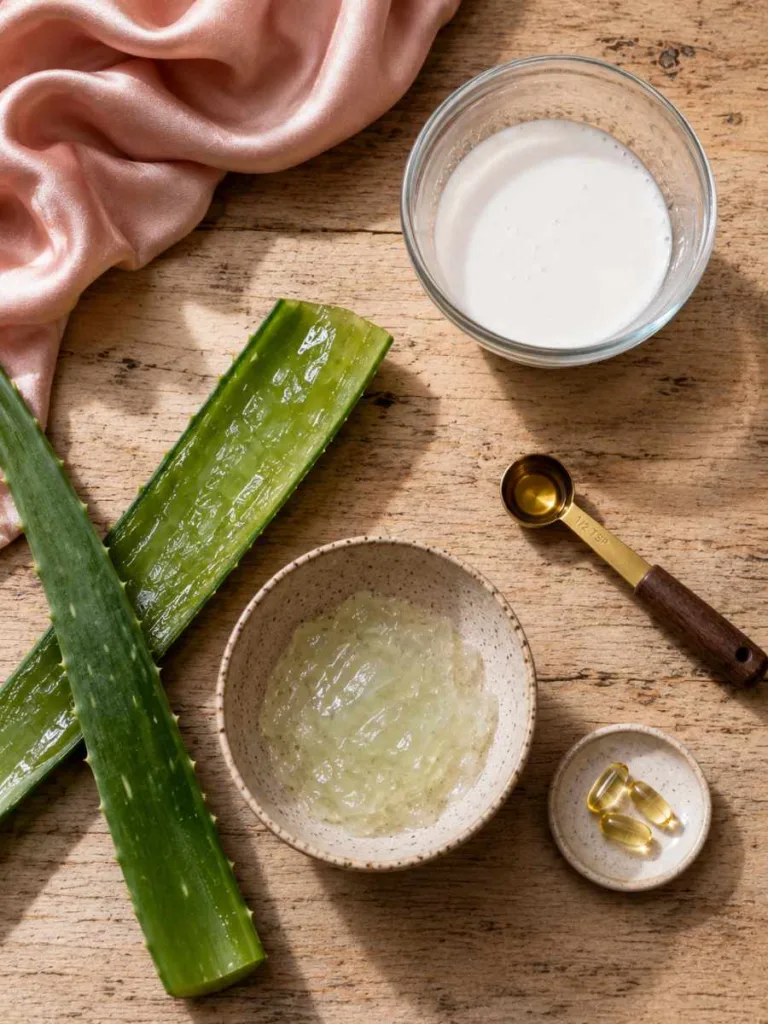
Coconut milk brings natural fats and light proteins to the table. They soften hair from root to tip. Aloe vera adds hydration too, but without the heaviness. Together, they’re a great match for dry or damaged hair.
What you need: 200ml coconut milk, 3 tablespoons fresh aloe vera gel, 1 teaspoon vitamin E oil, 1 teaspoon lightweight carrier oil, a satin scarf
How to do it:
- Mix the coconut milk and aloe vera gel in a small bowl.
- Stir in the vitamin E oil and carrier oil for extra shine and slip.
- Apply evenly, focusing on the mid-lengths and ends where damage collects most.
- Twist hair into a loose bun and cover it with a satin scarf.
- Leave the mask on overnight and rinse thoroughly in the morning.
3. Silk or Satin Pillowcase and Bonnet Routine
Cotton pillowcases are hair’s quiet enemy. They soak up moisture and create friction all night long, roughing up the cuticle while you sleep. A silk pillowcase or satin bonnet fixes both problems at once. Hair glides across silk instead of catching on it. Over time, that alone cuts down breakage and frizz.
What you need: A silk or satin pillowcase or bonnet, a light leave-in conditioner (optional)
How to do it:
- Swap your cotton pillowcase for a silk or satin one, or add a satin bonnet before bed.
- Apply a small amount of leave-in conditioner to your ends, focusing on the driest or color-treated sections.
- Sleep as usual. No further effort is needed once the pillowcase or bonnet is in place.
Once you own the pillowcase or bonnet, this method costs you nothing extra. It also pairs well with any mask above, so you can stack the benefits. Bonus: a bonnet keeps braids and twists neat until morning. That saves you styling time too.

4. Banana and Honey Deep Conditioning Mask
Banana sounds like an odd hair product, but hear us out. It’s packed with potassium and natural oils that smooth the cuticle on contact. Honey does its own job too. It’s a humectant, meaning it pulls moisture from the air into your hair and locks it there overnight.
What you need: 1 ripe banana, 2 tablespoons raw honey, 1 tablespoon olive oil, a satin scarf or shower cap
How to do it:
- Mash the banana until smooth and free of lumps, since chunks are hard to rinse out later.
- Mix in the honey and olive oil until fully combined.
- Apply the mask section by section, working it through damp hair from root to tip.
- Wrap your hair in a satin scarf or loose shower cap and leave it on overnight without disturbing it.
- Wash it out with a sulfate-free shampoo the next morning, rinsing twice if needed.

5. Braid or Twist for Tangle-Free Silky Strands
Loose braiding gets slept on, literally and figuratively. Most people skip it, but it directly stops the tangling that leads to breakage. Just keep it loose. Tight braids pull at the roots, and that defeats the whole point. This one works especially well if you have medium to long hair, since that’s where tangling hits hardest.
What you need: No products required, just your hands and a light finishing oil (optional)
How to do it:
- Section damp hair into two or three loose braids or twists before bed, using no elastic tension.
- Sleep as usual. The braids keep strands from rubbing against each other and against your pillow.
- In the morning, gently unravel each braid instead of brushing it out right away to avoid unnecessary breakage.
- Smooth a small drop of oil on your palms and run it over flyaways to lock in the silky finish.
As a bonus, it adds soft, natural waves too. No heat tools needed.

Common Overnight Hair Mistakes to Avoid
Even a great routine can fail. Small habits quietly undo the work, and you won’t notice until your hair feels rough again. Watch out for these.
- Sleeping with soaking wet hair weakens strands and encourages split ends over time.
- Overloading hair with oil causes buildup, which leaves hair greasy instead of silky by morning.
- Skipping a protective covering exposes hair to cotton friction all night long.
- Using tight hair ties or clips before bed creates tension near the roots that leads to breakage.
- Reusing a stale, unwashed pillowcase reintroduces oils and bacteria that undo overnight treatments fast.

How Often Should You Repeat Overnight Treatments
It depends on your hair porosity and how damaged your strands are right now. High-porosity hair soaks up and loses moisture fast. It does best with treatments two to three times a week.
Low porosity hair resists moisture, so lighter and less frequent treatments work better. Otherwise, you risk buildup on your scalp. Fine hair should stick to once a week, or it can start feeling limp. Thick or coarse hair can handle more without feeling weighed down. Curly or coily hair usually needs moisture more often, since oils travel slower down each curl.
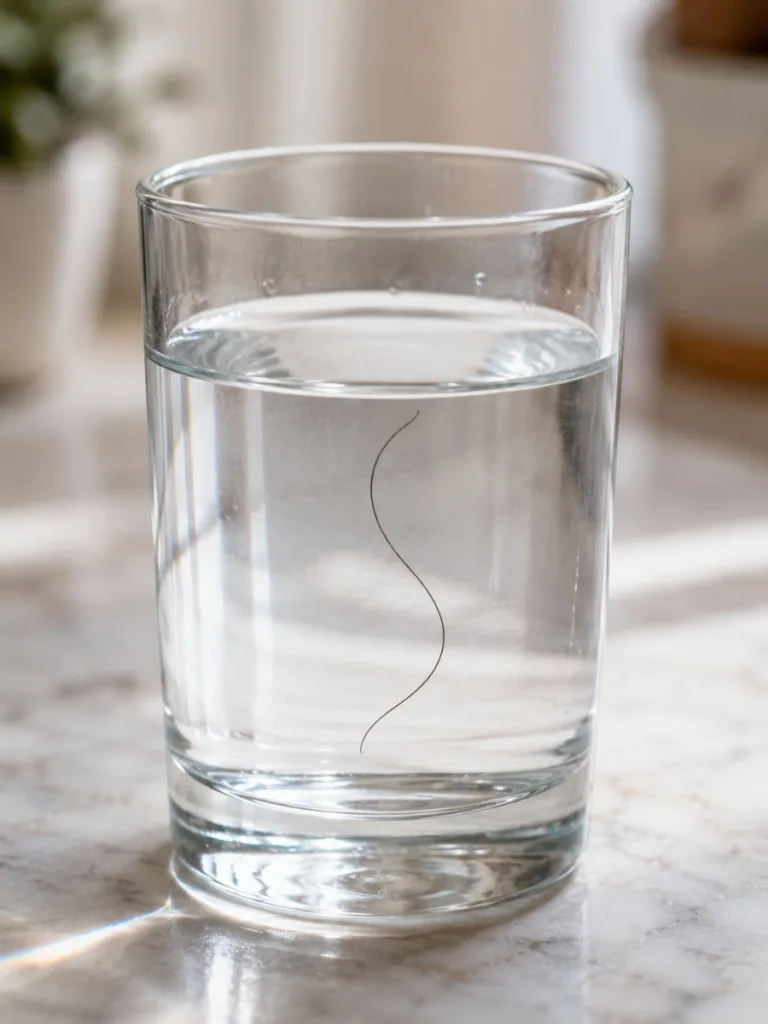
Not sure which type you have? Try this simple test:
- Drop a clean strand of hair into a glass of water.
- If it sinks fast, you have high-porosity hair that soaks up treatments quickly.
- If it floats, you have low-porosity hair that needs lighter products applied to damp, not dry, strands.
From there, just listen to your hair. Check how it feels each morning, and adjust based on softness, shine, and how easy it is to manage.
Frequently Asked Questions
1. What is the fastest way to make hair soft and silky overnight?
Try a warm oil massage with a satin wrap. It’s the quickest fix. It hydrates the hair shaft and blocks friction in one step.
2. Can I leave a hair mask on overnight every night?
Not every night, no. Two to three times a week is plenty. Daily use can cause protein overload or buildup on your scalp.
3. Does sleeping with wet hair damage it?
Yes, it can. Wet hair is more fragile and breaks more easily. Dry it partway first, or braid it loosely to lower the risk.
4. Is a silk pillowcase really worth it?
It is. Silk cuts down friction and moisture loss compared to cotton. It’s one of the easiest upgrades for softer hair long-term.
5. Why does my hair feel rough even after conditioning?
That usually points to a raised cuticle, caused by heat, hard water, or dryness. Deep conditioning and overnight oil treatments help smooth it back down.
6. Can diet affect how soft my hair feels?
It can. Foods rich in biotin, omega-3s, and vitamin E support smoother, stronger strands from the inside out.
Conclusion
Soft, silky hair overnight comes down to one thing: consistency. It has nothing to do with expensive products or long routines. A raised cuticle responds to moisture and gentle handling, and sleep gives you hours to work with it undisturbed. Match the method to your hair. Reach for the oil massage if your hair runs dry, the pillowcase swap if breakage is the problem, or a loose braid if tangling wakes you up in knots. Repeat two to three times a week for high-porosity hair and less for low-porosity or fine hair. Pick one method and try it tonight.
For more hair care tips, please visit VelvetBoard.