18 Winter Hair Colors for Brunettes to Steal Now
Ever saved a gorgeous brunette hair color pin, then worried it wouldn’t look the same on you? You’re not alone. Winter hair colors for brunettes flood every Pinterest board this time of year, but most photos skip the one detail that matters most, your skin tone. A shade that looks stunning on someone else can wash you out completely.
This guide covers 18 trending winter hair colors for brunettes, plus the skin tone matching steps and real salon costs most guides never show. No filler, no recycled pins, just the details you need before you sit in the salon chair.
You’ll also learn the coloring mistakes that turn a Pinterest-perfect shade into a regret, so you walk into your next appointment prepared instead of guessing.
What Makes a Winter Hair Color Different
Winter light behaves differently than summer sun. It’s softer. Cooler. A shade that looked bright and warm in July can suddenly read flat once the temperature drops. That’s why colorists lean toward deeper, glossier dark hair shades for winter instead of brighter summer tones.
Softer Light Calls for Richer Tones
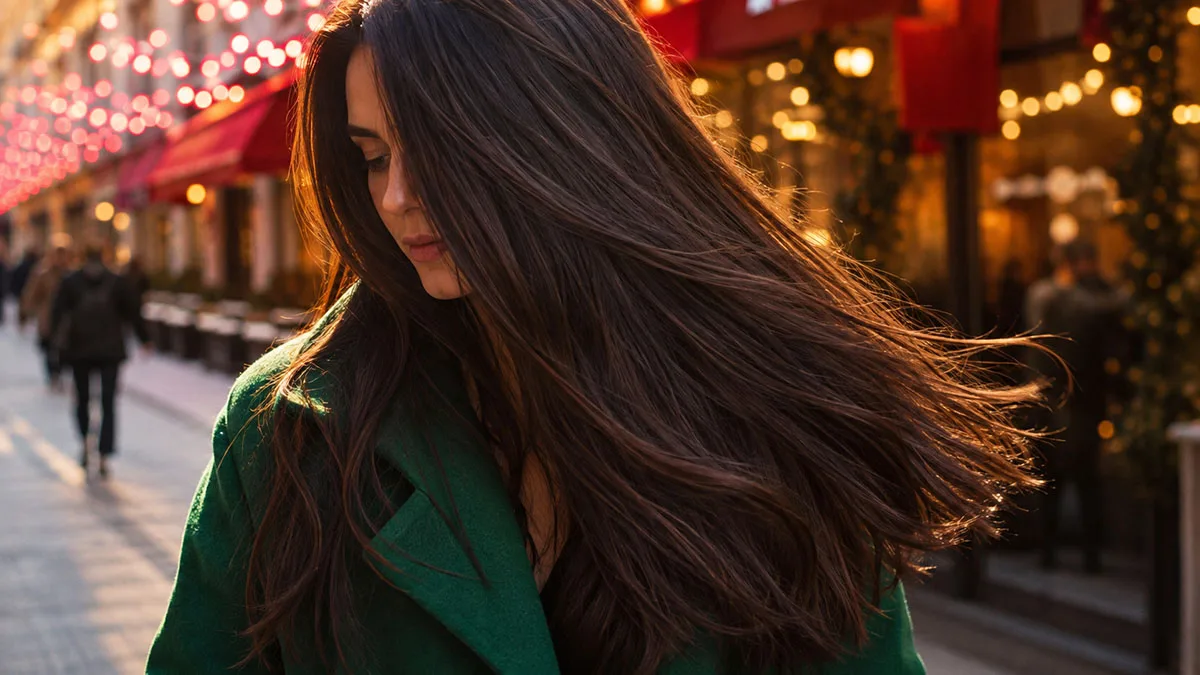
Colorists shift toward deep espresso, glossy chocolate, and rich auburn during the colder months. These tones hold up under gray skies and short daylight hours. A pale or overly bright brunette shade can look washed out once the sun starts setting at 5pm.
Your Wardrobe and Winter Events Play a Role
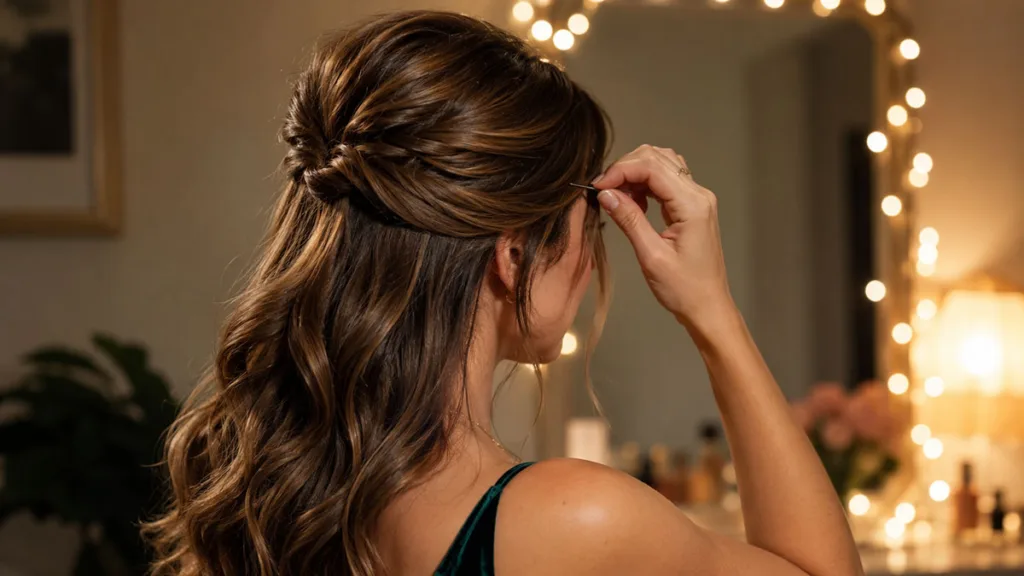
Dark coats, wool sweaters, and heavier fabrics pair naturally with richer hair tones. A sun-bleached summer brunette can look mismatched against a black turtleneck or a camel coat. Holiday photos matter here too. Warm indoor lighting, string lights, and candlelight flatter darker, glossier hair far more than pale, flat color.
Shine and Dimension Matter More Indoors
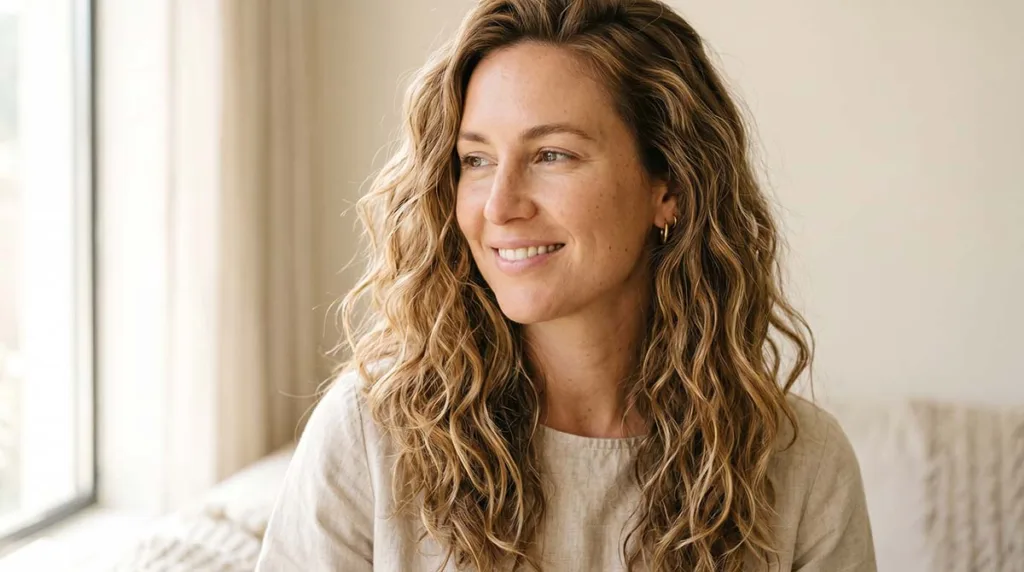
Dry indoor heat pulls moisture from your hair all winter long. A glossy finish helps color look healthy under artificial light, which is why many stylists add a clear gloss treatment right after coloring. Flat, one-note brown can look dull under gray skies too. Subtle highlights or lowlights woven through a dark base keep things from feeling heavy. Even your texture plays a part. Curly or wavy hair catches light differently than straight hair, so a good colorist adjusts where the highlights sit based on your natural texture and cut.
How to Choose Your Perfect Shade for Your Skin Tone
Skin undertone decides which brunette shade will flatter you. Most guides skip this step. They jump straight to a shade list and leave you guessing in the salon chair. Figure out your undertone before you book anything.
Check Your Veins First
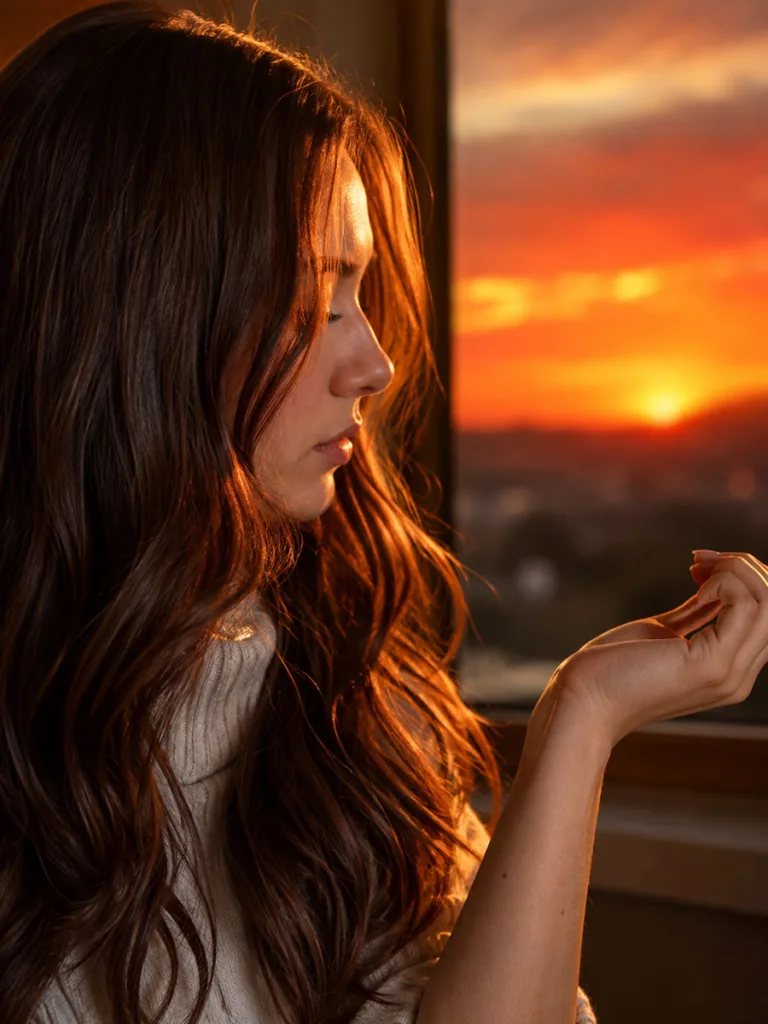
Look at the veins on your wrist in natural light. Blue or purple veins usually mean a cool undertone. Green veins point to a warm undertone. Can’t tell either way? You likely have a neutral undertone, which is good news, because it means more shades will work for you.
Match Your Undertone to a Shade Family
Cool undertones pair best with ash brown, espresso, or noir shades. Warm undertones glow next to caramel, chestnut, or auburn tones. Neutral undertones can wear almost anything, including bolder options like burgundy or mahogany. This one step saves you from walking out of the salon disappointed.
| Undertone | Best Shade Families |
| Cool | Ash brown, espresso, noir |
| Warm | Caramel, chestnut, auburn |
| Neutral | Nearly all shades, including burgundy and mahogany |
Let Your Eyes and Jewelry Guide You
Eye color offers another clue. Green or hazel eyes tend to pop against warm chestnut or auburn shades. Blue or gray eyes stand out more next to cooler, ashier browns like espresso or noir. Jewelry works the same way. If silver flatters you more than gold, lean cooler. If gold looks better against your skin, lean warmer. Bring reference photos to your consultation, but say your undertone out loud, too. A good colorist will adjust the formula to your actual coloring, not just the picture on your phone.
18 Winter Hair Colors for Brunettes to Try This Season
These 18 brunette hair color ideas cover cool, warm, and neutral undertones. Each one works for a different level of maintenance and boldness, so pick based on your lifestyle, not just the photo you screenshot.
Think about how much time you spend at the salon right now. Low maintenance options like caramel balayage or toffee balayage grow out softly. Solid shades like espresso or noir need more frequent root touch-ups. Bring this list to your consultation and ask your colorist which options work with your current base color, since some shades need more lightening or lifting before the new tone can take.
This cheat sheet ranks the best brown hair colors for winter by maintenance level, so you can compare all 18 at a glance.
Quick reference: shade, best undertone, and maintenance level
| Shade | Best Undertone | Maintenance Level |
| Espresso Brown | Cool / Neutral | Low |
| Ash Brown | Cool | High |
| Chestnut Brown | Warm / Neutral | Medium |
| Teddy Bear Brunette | Warm | Medium |
| Caramel Brown | Warm / Neutral | Low |
| Burgundy Brown | Warm / Neutral | Medium |
| Auburn Brown | Warm | Medium |
| Noir Brown | Cool | Low |
| Bronzed Brown | Warm / Neutral | Low |
| Chocolate Brown | All undertones | Low |
| Hazelnut Brown | Warm | Medium |
| Mocha Brown | Neutral | Low |
| Mahogany Red Brown | Warm / Neutral | High |
| Toffee Balayage | Warm / Neutral | Low |
| Mulled Wine | Cool / Neutral | High |
| Cool-Toned Balayage | Cool | Medium |
| Aubergine Brunette | Neutral | Medium |
| Black Hair with Ashy Babylights | Cool | Low |
1. Espresso Brown
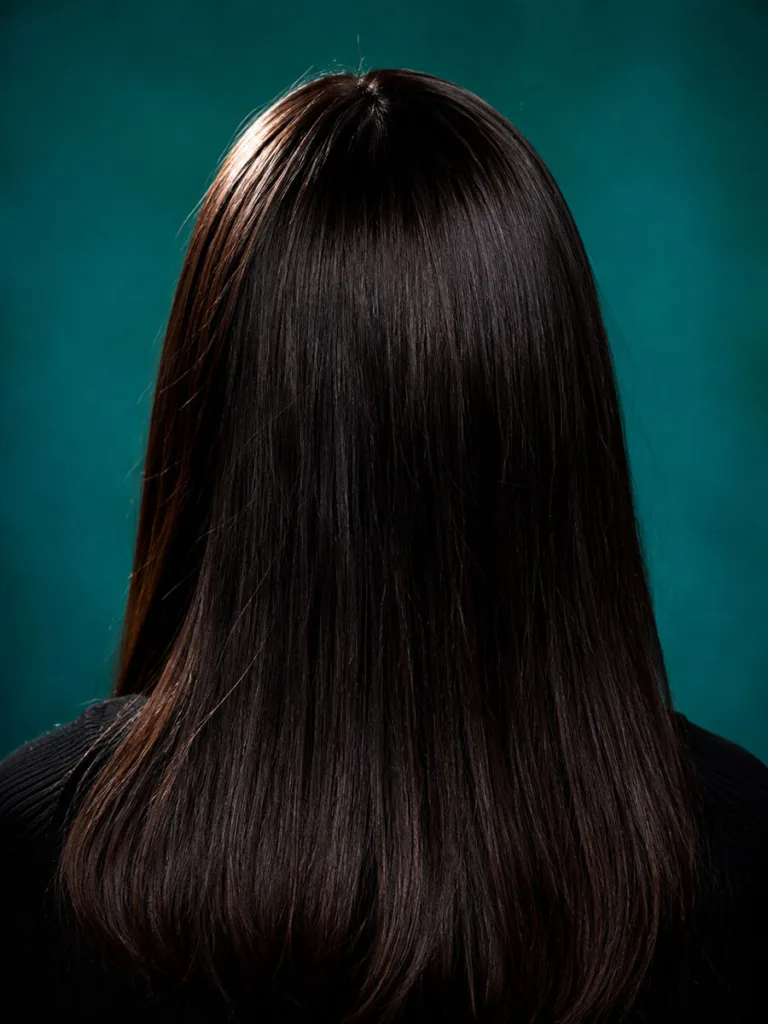
Espresso brown is a deep, glossy shade that reads almost black under indoor light but shows warm brown undertones in direct sun. It suits cool and neutral undertones best and hides regrowth better than lighter browns. Most colorists build this shade with a single-process formula, which keeps the appointment short and the cost lower than a full balayage. Expect six to eight weeks between touch-ups.
2. Ash Brown
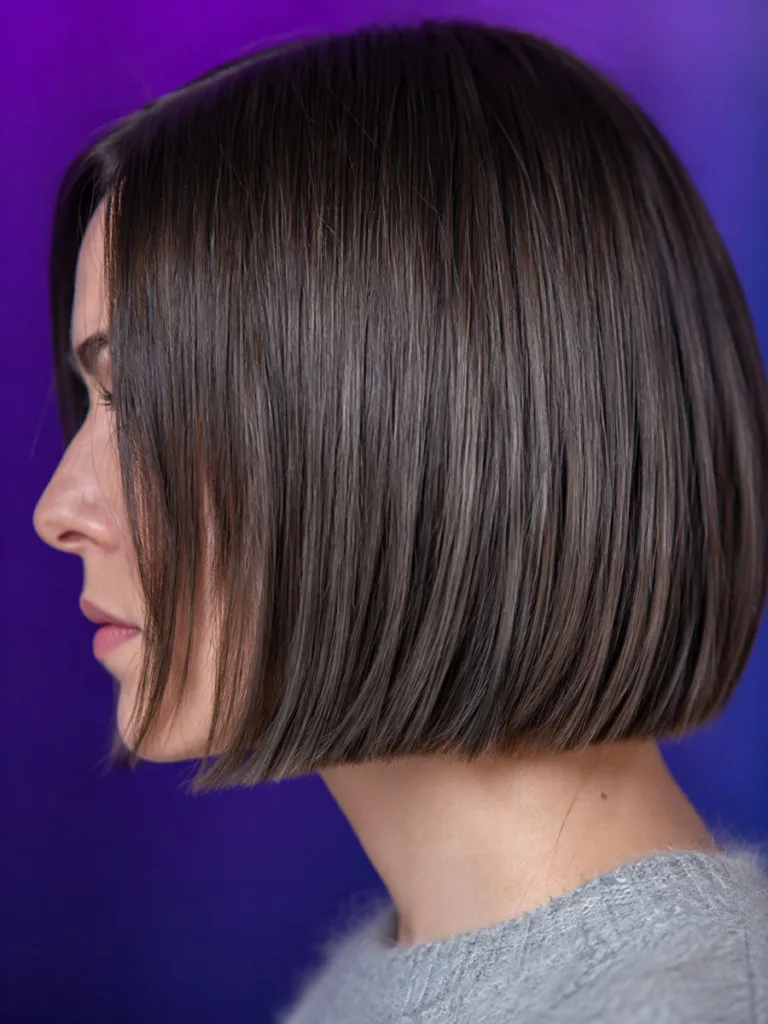
Ash brown strips out red and gold tones entirely, leaving a cool, smoky finish that suits silver jewelry lovers. It’s a strong pick if you’re tired of your natural brown turning brassy by week three. The tradeoff is upkeep. Ash tones fade toward warmth over time, so you’ll need a purple or blue toning shampoo at home and regular gloss visits to keep the coolness intact through winter.
3. Chestnut Brown
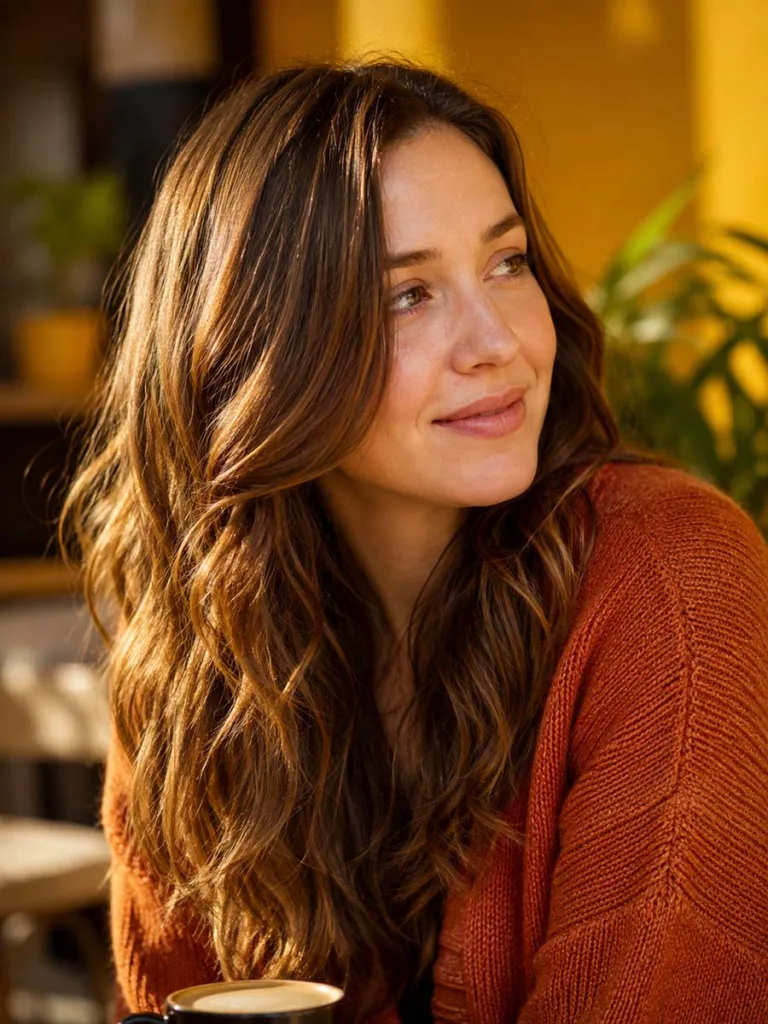
Chestnut brown sits between chocolate and caramel, adding gentle warmth without tipping into red or orange. Colorist Hannah Gayle told Who What Wear it “adds warmth with a lighter brown to create a beautiful medium brown warm color,” calling it ideal for softer, low-contrast looks. It flatters a wide range of ages and skin tones, which explains why it stays one of the most requested shades every winter.
4. Teddy Bear Brunette
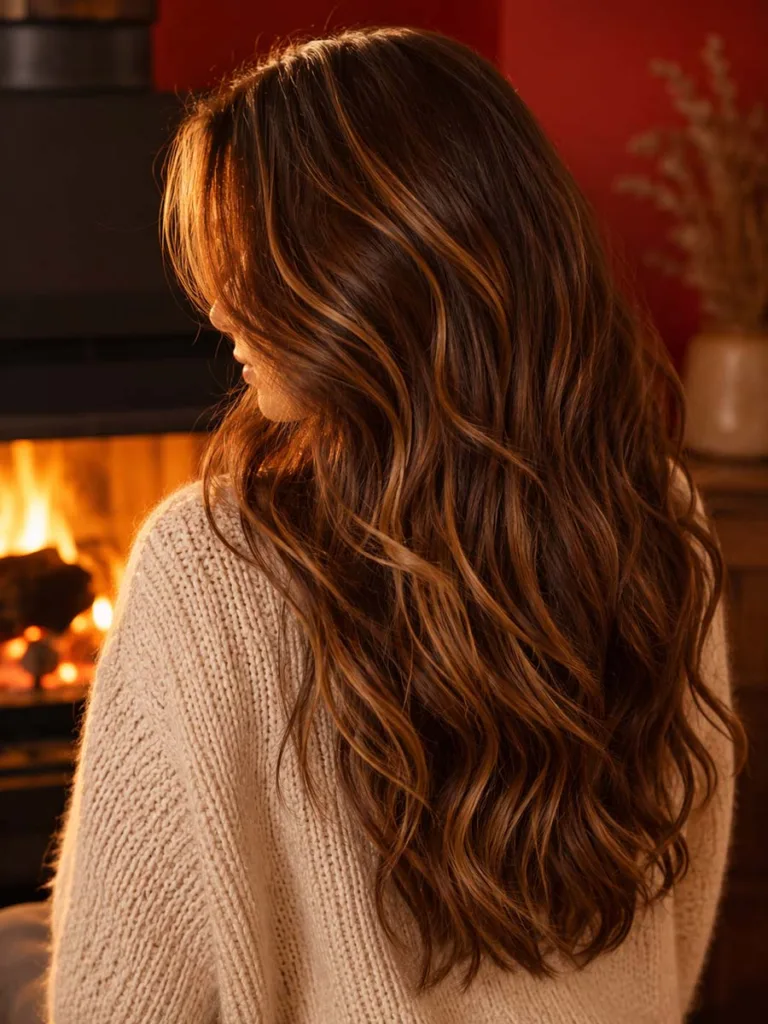
Teddy bear brunette blends brown and honey tones into a plush, multi-dimensional finish that photographs beautifully under warm indoor light. Think of it as a softer cousin to balayage, built for brunettes who want light pieces without going full blonde. It needs regular gloss treatments to stay velvety instead of turning dull, so budget for upkeep every four to six weeks if you want it looking fresh.
5. Caramel Brown
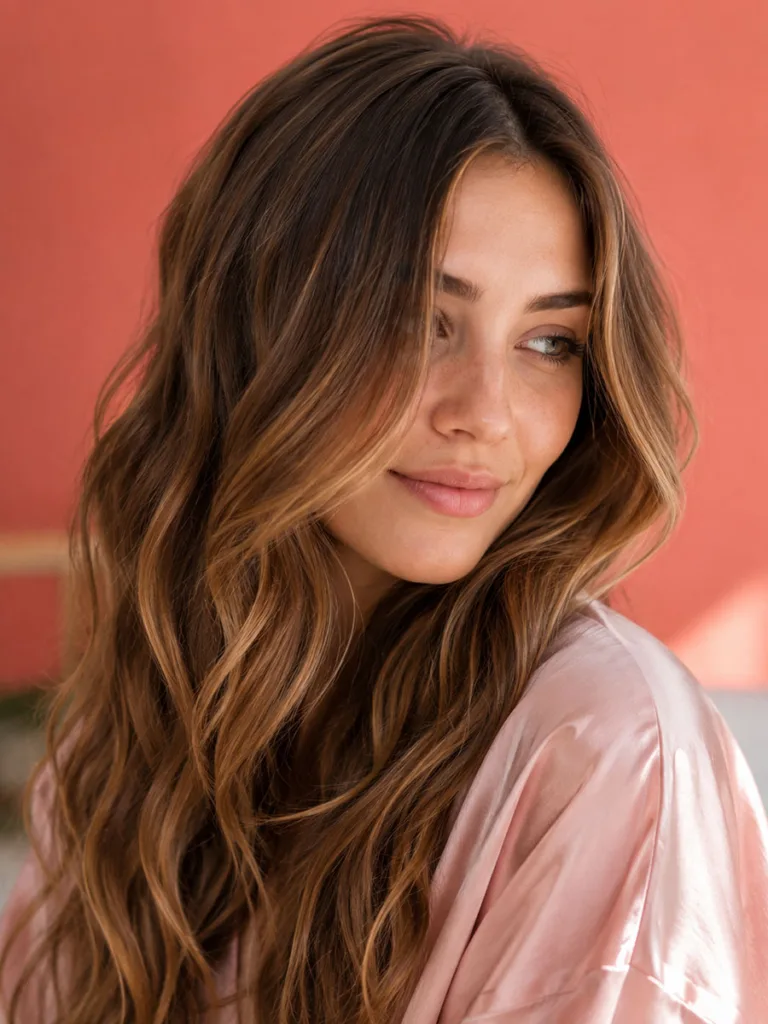
Caramel brown mixes light and dark brown for a low maintenance look that grows out gracefully. This is the shade to pick if you’re tired of harsh root lines every six weeks. The soft blend means your natural color can grow in for months before it looks like it needs a touch-up, making it one of the most budget-friendly options on this list.
6. Burgundy Brown
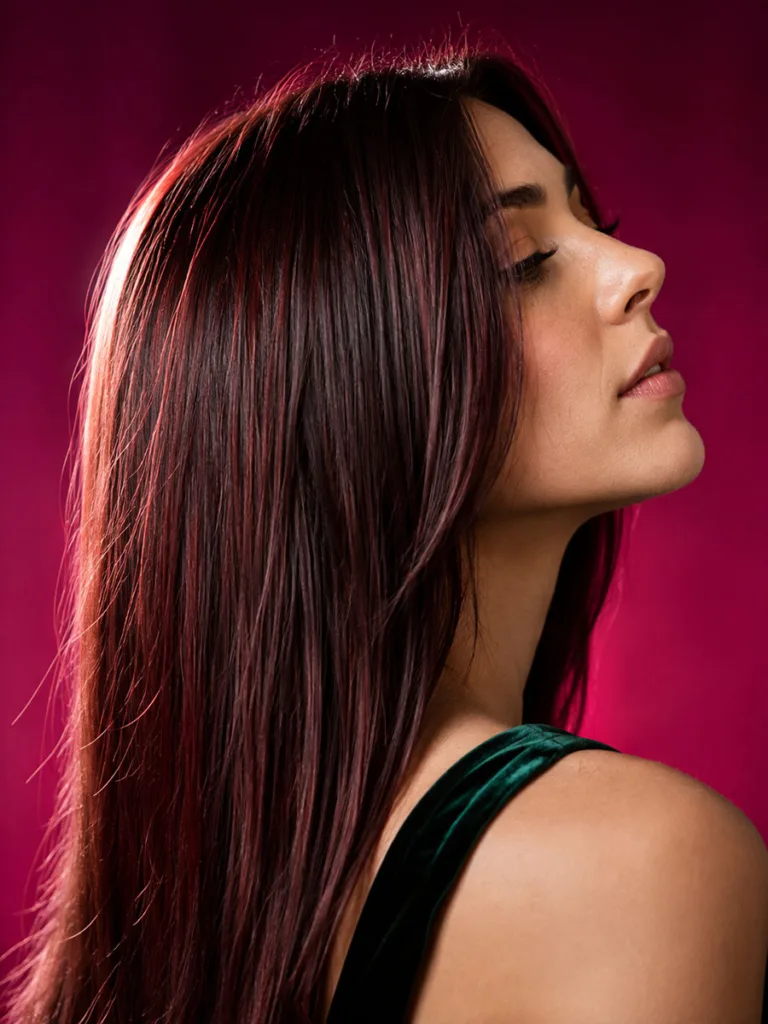
Burgundy brown melts a deep red into a brown base, creating a multi-tonal shine that shifts depending on the light. Under sunlight it reads reddish. Indoors it looks like a rich, dark brown. This shade works best on neutral or warm undertones and needs a color-depositing mask every few weeks to keep the red from fading into plain brown.
7. Auburn Brown
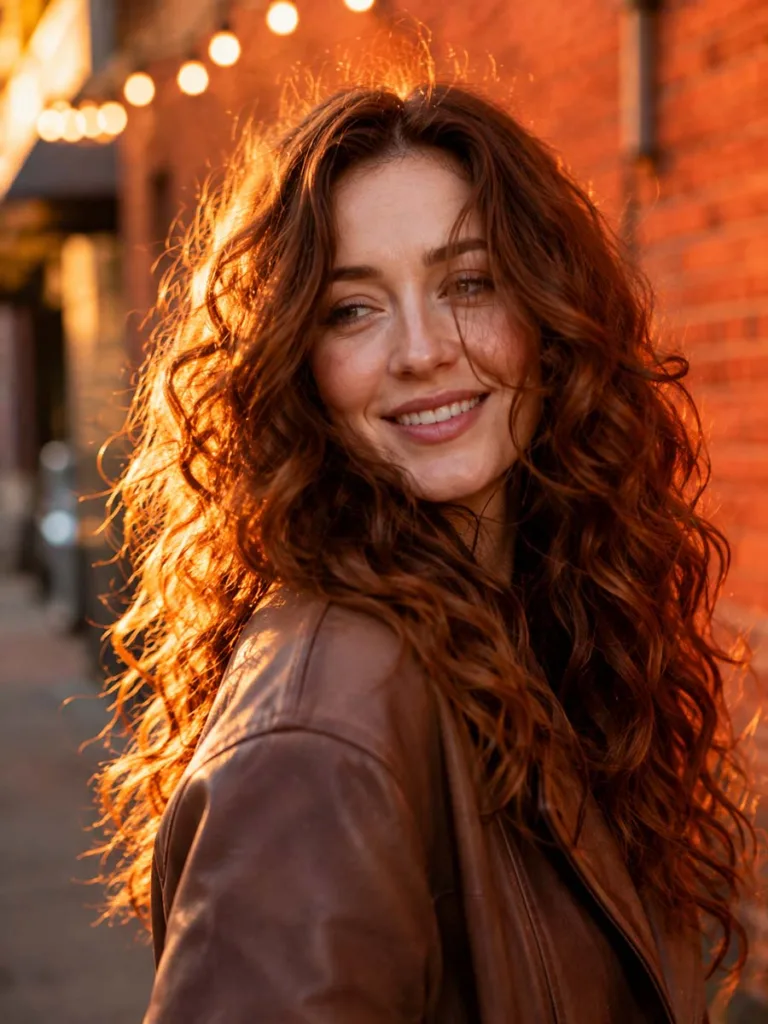
Auburn brown blends copper with brunette base color, softening the boldness of pure red hair while still adding warmth. It’s a great middle ground if you love red but worry it’s too loud for daily life. Regular root touch-ups matter here, since auburn tones fade unevenly and can leave your regrowth looking mismatched if you wait too long between salon visits.
8. Noir Brown
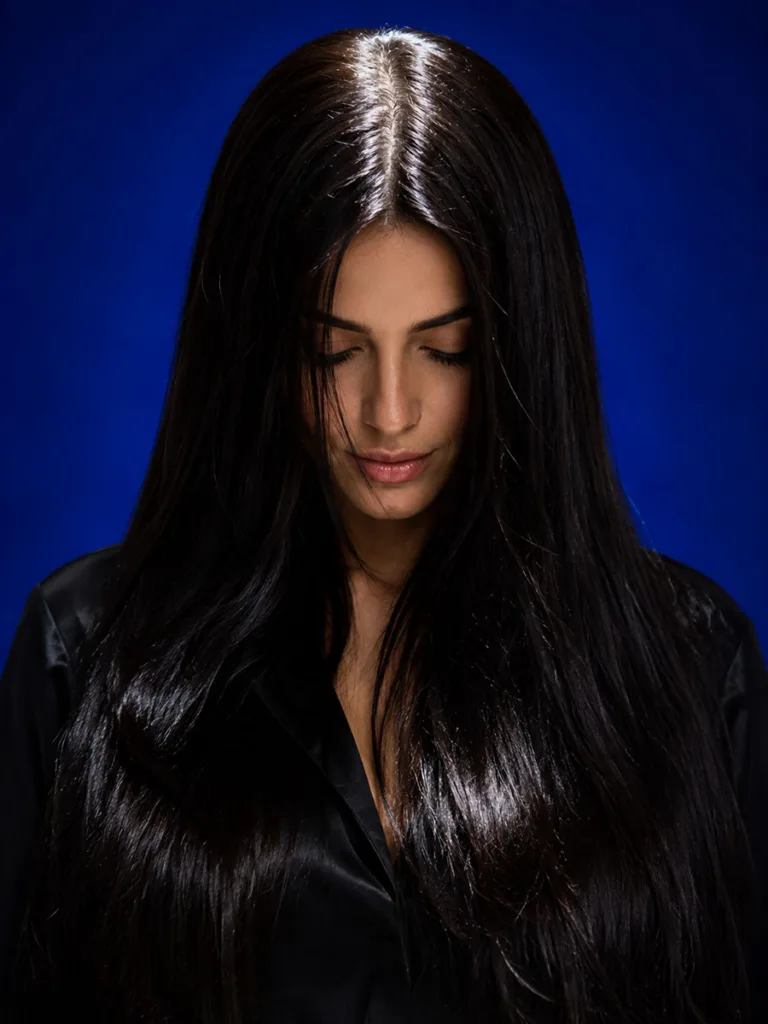
Noir brown sits one shade above true black, offering a deep, glossy finish that still reads as brown in bright light. It suits cool undertones and gives off a healthy, expensive-looking shine without the harshness of solid black. Because it’s so dark, root touch-ups are less noticeable, which makes it a lower maintenance option than most people assume.
9. Bronzed Brown
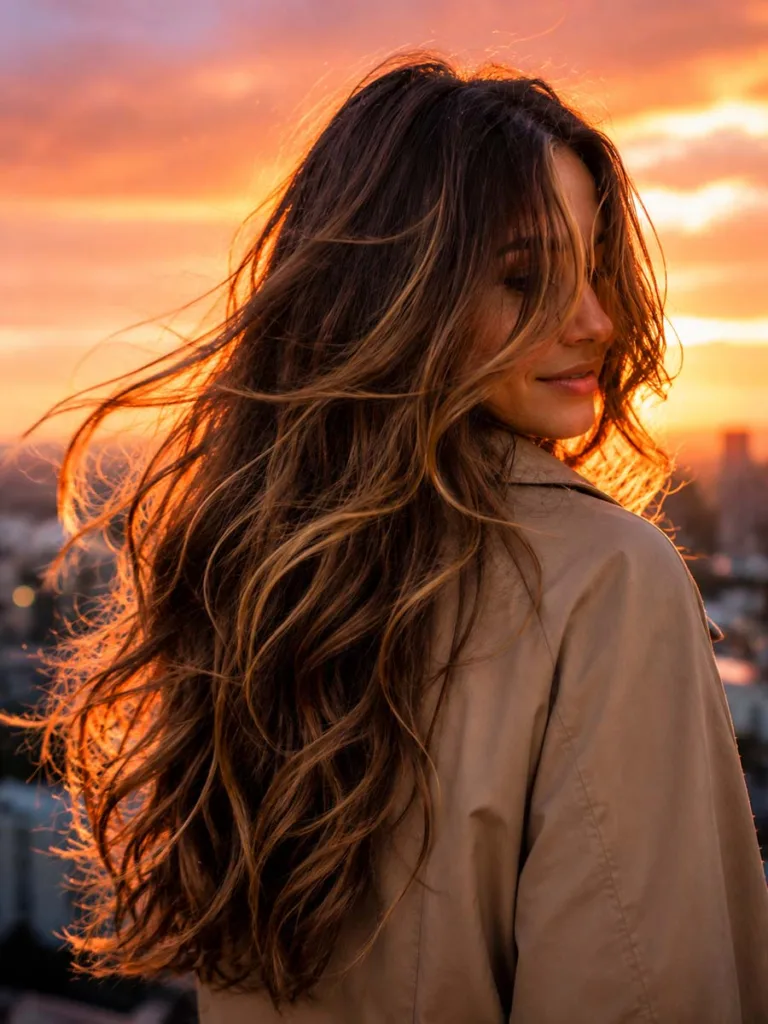
Bronzed brown layers dark blonde pieces through a brunette base using a balayage technique, giving brunettes a taste of lighter hair without full commitment. It works well on warm and neutral undertones and pairs nicely with sun-kissed makeup looks. Because the blonde pieces are painted rather than foiled solid, this color grows out with almost no visible line.
10. Chocolate Brown
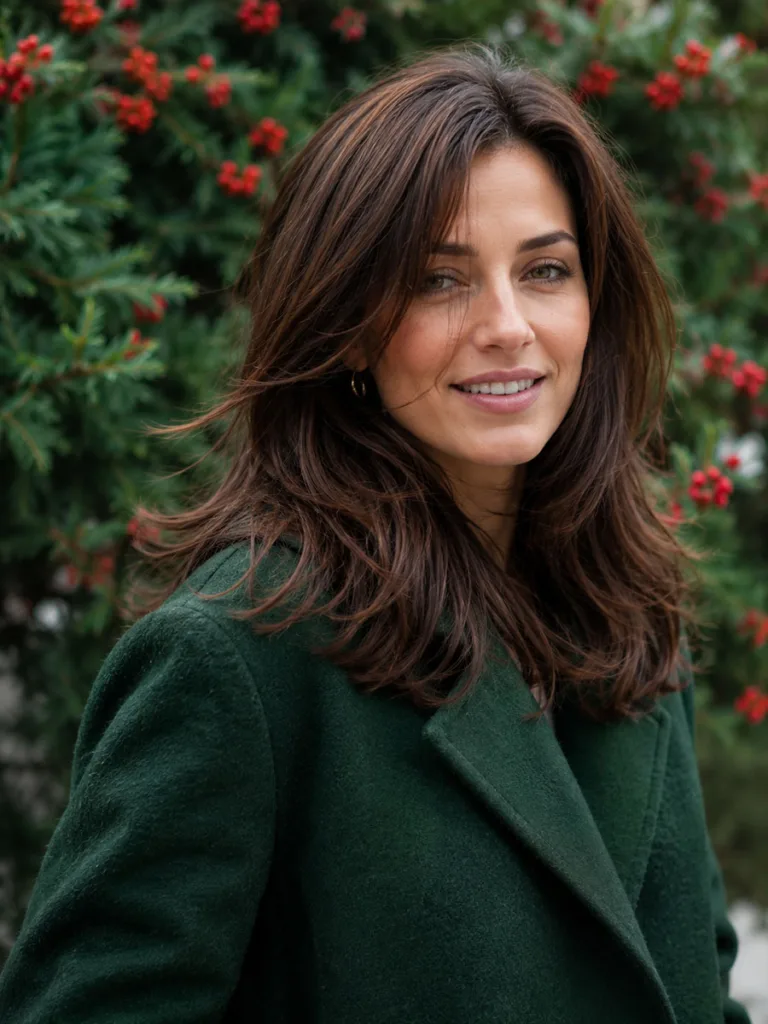
Chocolate brown is the classic, warm shade that never really goes out of style. It suits nearly every skin tone and hides gray hair better than most lighter browns. Colorists often recommend it to first-time colorists because the formula is forgiving and low risk. Add lighter chestnut tones through the ends if you want more movement without losing the rich base.
11. Hazelnut Brown
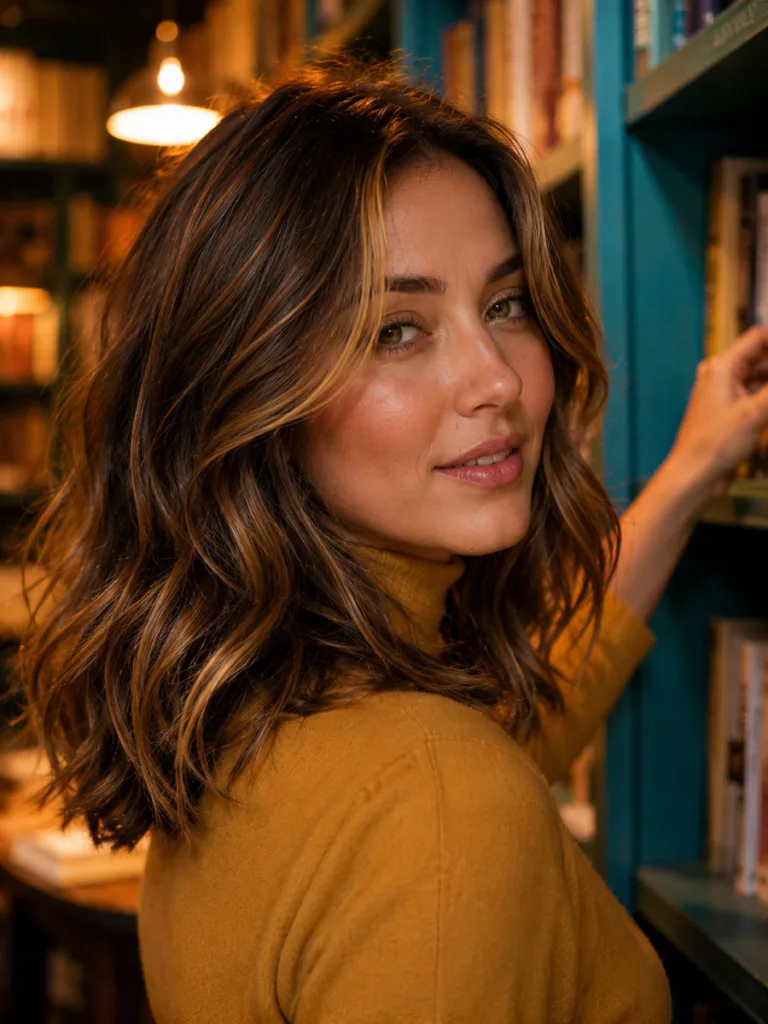
Hazelnut brown carries golden or red-tinted undertones, giving it more warmth than a standard medium brown. Subtle face-framing highlights make this shade feel dimensional rather than flat. It flatters warm undertones and works nicely on wavy or curly hair, since the natural texture catches the lighter pieces and adds extra shine.
12. Mocha Brown
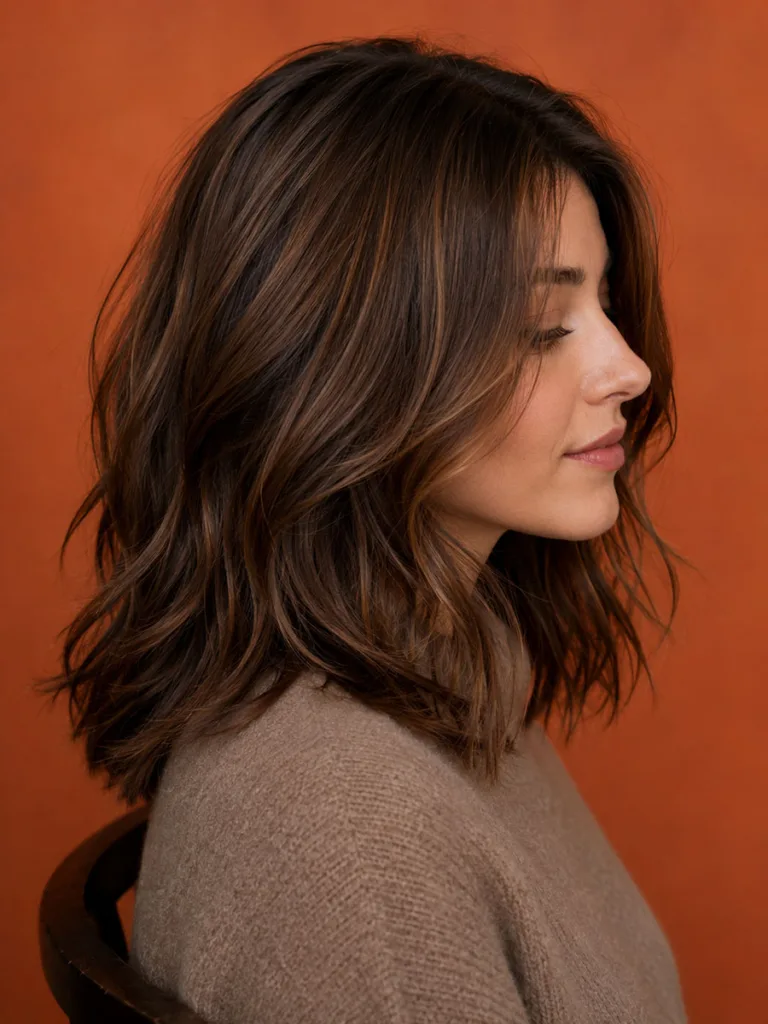
Mocha brown pairs a dark base with lighter chestnut highlights, blended softly instead of placed in harsh chunks. The result looks natural, almost like hair that’s never been colored at all. This shade suits people who want dimension without anyone noticing they’ve been to the salon, and it holds its richness well through the colder months.
13. Mahogany Red Brown
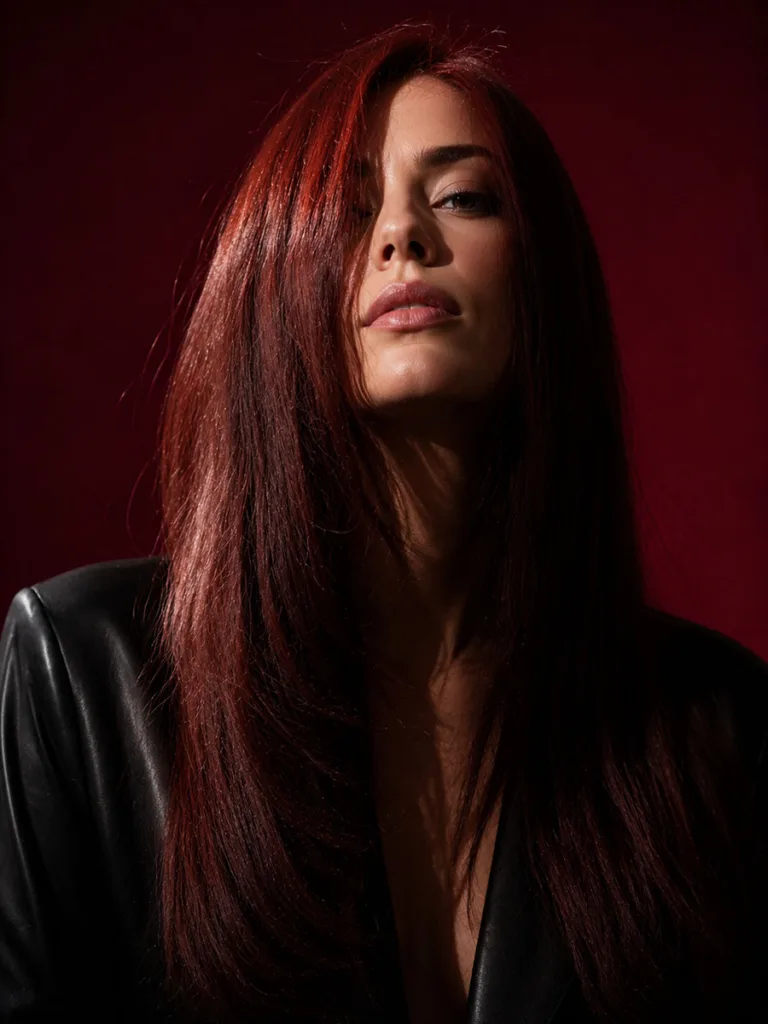
Mahogany red brown carries a bold, reddish-purple cast that stands out even in low light. It’s one of the more dramatic options on this list, best suited to neutral or warm undertones who want a statement color. Expect more frequent gloss appointments, since the red pigment fades faster than a standard brown base.
14. Toffee Balayage
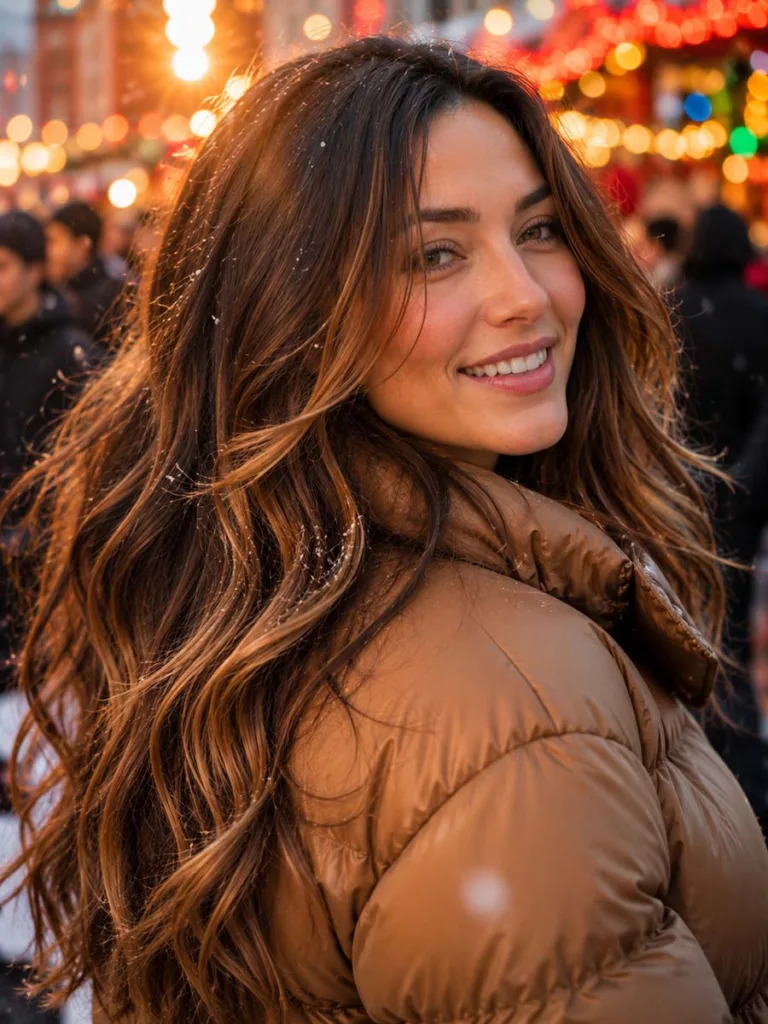
Toffee balayage paints warm caramel tones through the lengths, creating a cozy, sun-kissed effect that still reads as brunette. It’s a favorite for anyone who wants dimension without a harsh contrast between roots and ends. Because the color is hand-painted, it grows out naturally and rarely needs more than a gloss refresh between full appointments.
15. Mulled Wine
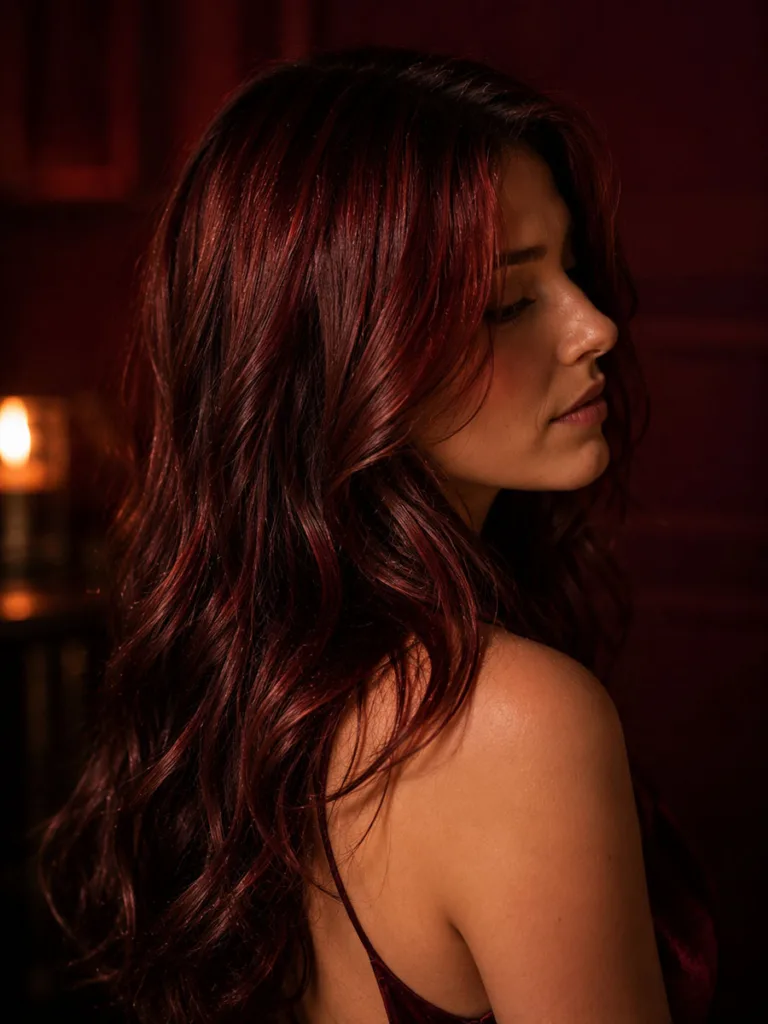
Mulled wine blends deep red and burgundy into one rich, warming tone, named for the drink it resembles. It suits cooler months best, since the color looks its richest under warm indoor lighting and candlelight. This shade needs regular color-depositing treatments at home to hold its color, since red pigments fade the fastest.
16. Cool-Toned Balayage
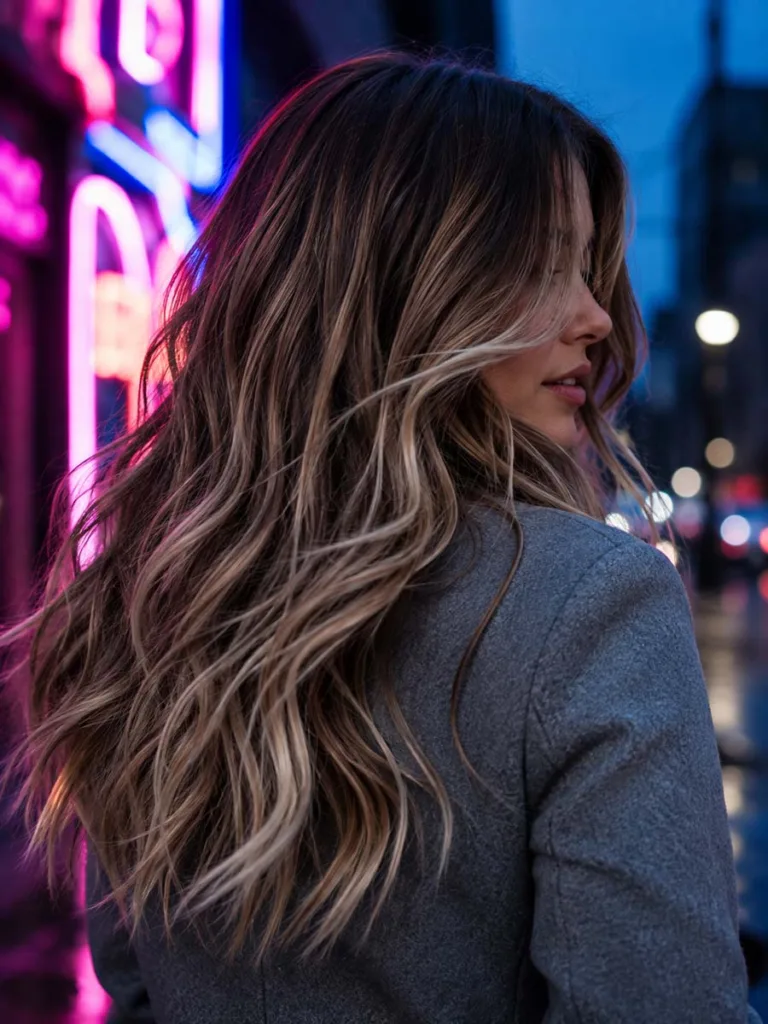
Cool-toned balayage mixes brown and blonde in a way that leans ashy rather than golden, pairing beautifully with low light and evening settings. It suits cool undertones best and works well for brunettes transitioning away from warmer highlights. Toning shampoo at home becomes essential here, since any warmth that creeps in will throw off the entire look.
17. Aubergine Brunette
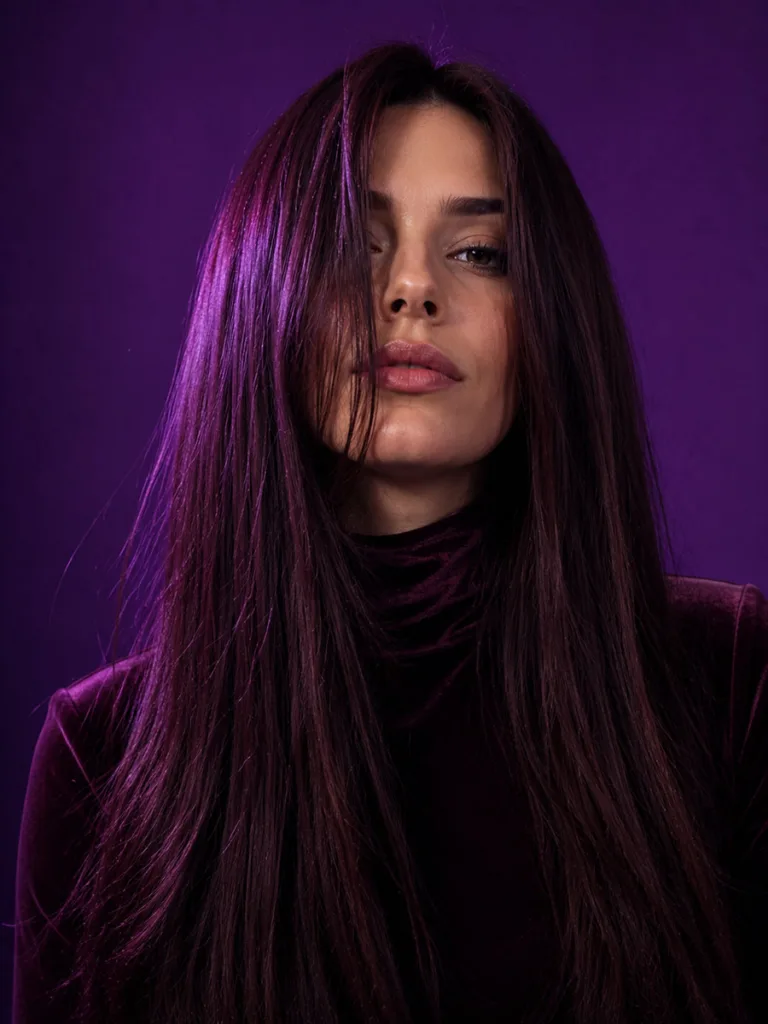
Aubergine brunette blends plum tones into a dark brown base, adding drama without asking you to fully commit to a fantasy color. It shows up best in direct light and under photography, while looking like a deep, moody brown in everyday settings. This shade works best on neutral undertones and needs a gloss touch-up every few weeks to keep the plum from fading flat.
18. Black Hair with Ashy Babylights
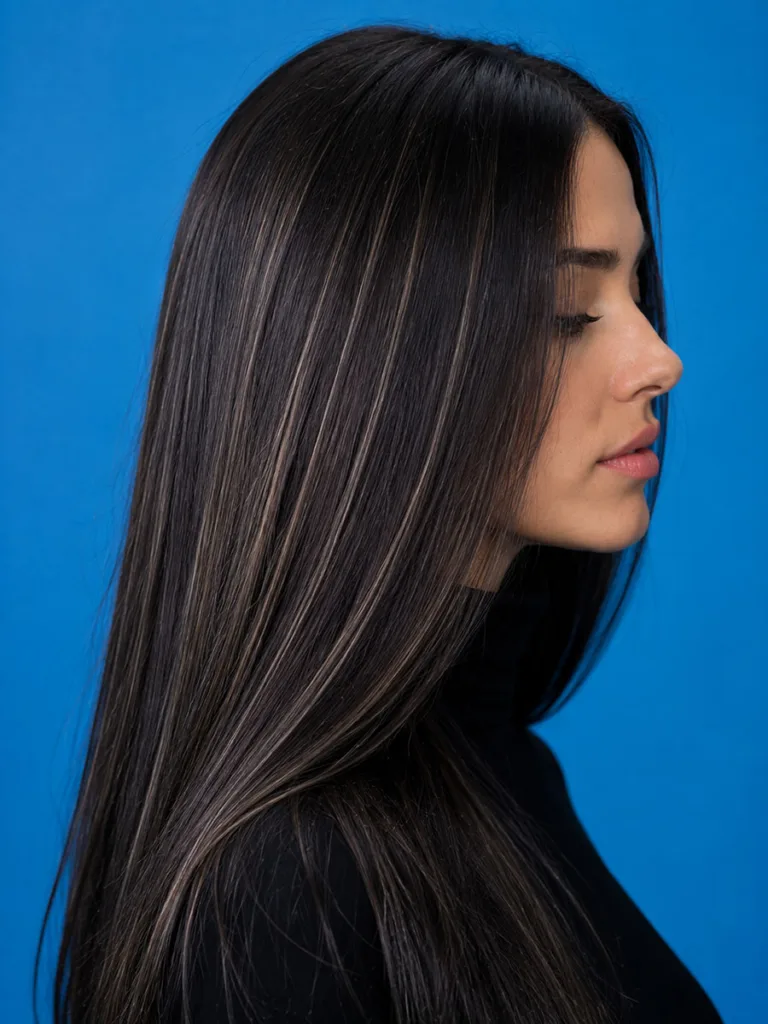
Solid black diluted with thin, cool-toned babylights creates subtle movement without sacrificing depth. The fine highlights catch light in a way that flat black hair cannot, giving the color dimension in photos and in person. This option suits cool undertones and works well for brunettes who want a change that still reads as low maintenance.
Maintenance and Upkeep for Dark Winter Color
Dark color fades differently than blonde, but it still needs care. Most brunette shades last six to eight weeks before roots become noticeable, depending on how fast your natural hair grows. A few habits keep that color looking fresh.
How Often You’ll Need Touch-Ups
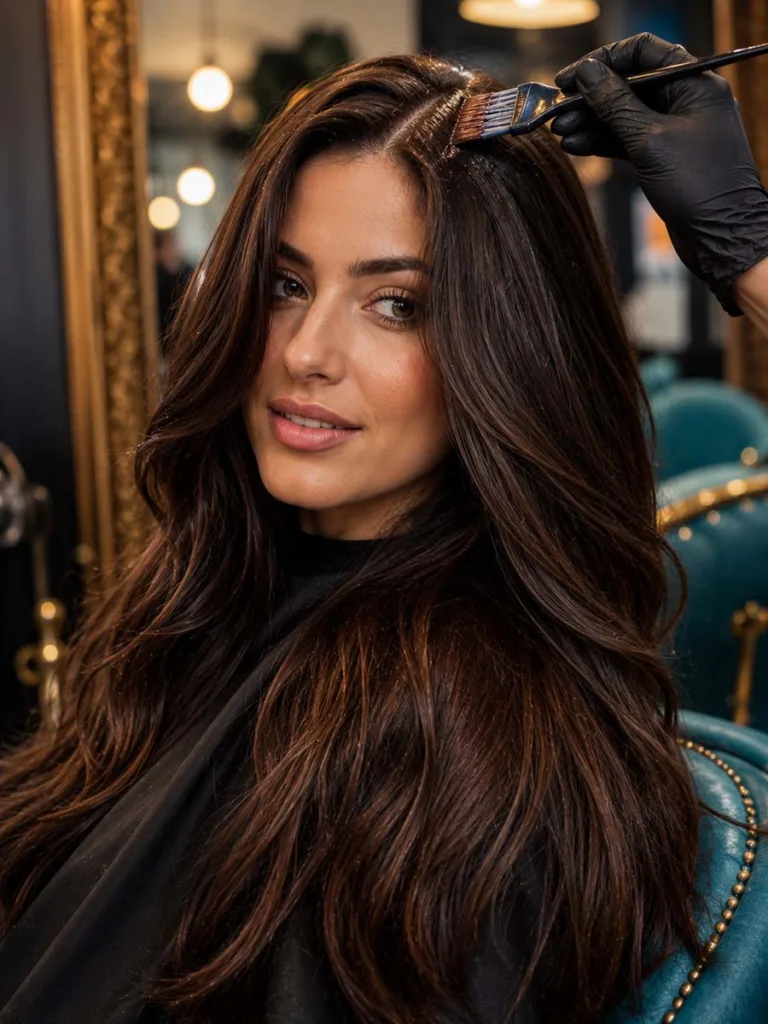
Glossing treatments extend color life between full appointments. A gloss adds shine and refreshes tone for about four weeks and typically costs less than a full color service. High-contrast shades, like solid espresso or noir, need root touch-ups roughly every six weeks. Softer, blended options like caramel or toffee balayage can stretch far longer.
Daily Habits That Protect Your Color
Sulfate-free shampoo matters more than most people realize. Sulfates strip color molecules from the hair shaft, fading rich browns into a dull, washed-out tone faster than expected. A few habits go a long way:
- Wash hair two to three times a week instead of daily.
- Rinse with cool water to help seal the hair cuticle.
- Apply a color-safe deep conditioner weekly.
- Use heat protectant before every styling tool.
- Book root touch-ups every six weeks for high-contrast shades.
What Salon Visits Really Cost
Salon pricing varies by region and hair length, but expect a full brunette color service to cost between $80 and $250. A gloss refresh usually runs $40 to $80 and takes far less chair time than a full color appointment. At-home color-depositing masks can stretch the time between visits too. They won’t lighten hair, but they refresh faded tone and add shine for a fraction of the salon price.
Common Mistakes to Avoid When Going Darker
Going darker seems simple, but plenty of brunettes end up disappointed. Knowing these mistakes before your appointment saves both money and regret.
Skipping the Strand Test
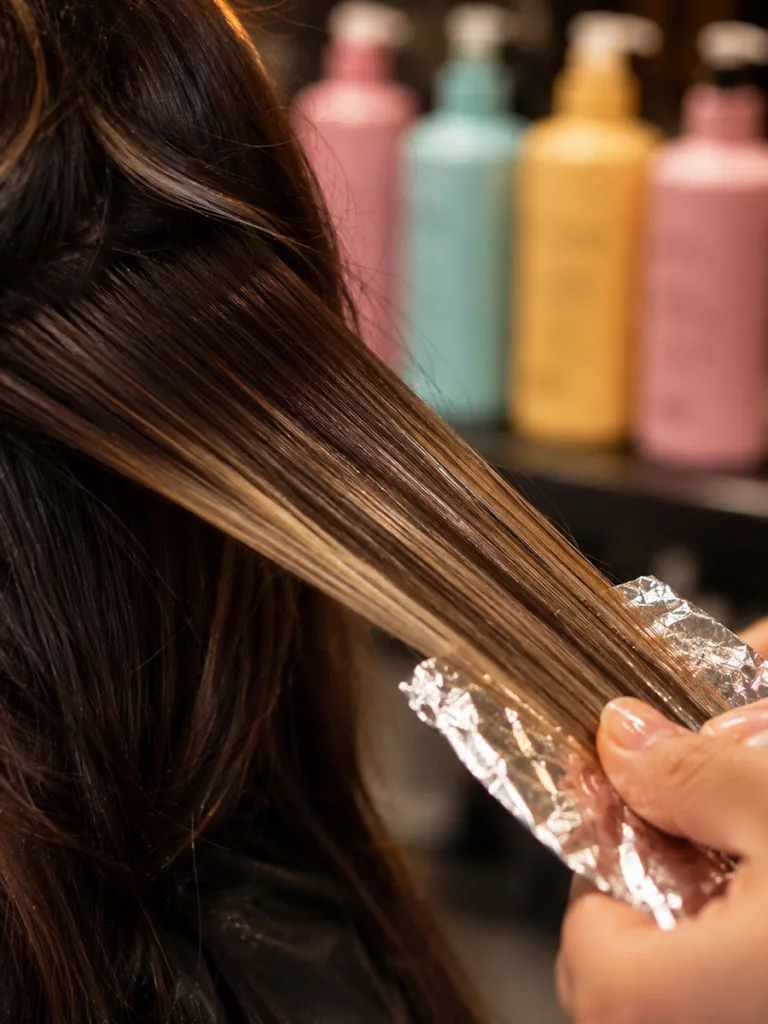
Skipping a strand test is the biggest risk of all. Hair reacts differently depending on previous color history, so a test strand shows the real result before it hits your whole head. It only takes a few extra minutes, and it can save you from a full-head mistake.
Going Too Dark, Too Fast
Color easily deepens over multiple visits, but lightening dark hair again requires more damage and more time at the salon. If you’re unsure, ask your colorist to build the shade gradually instead of jumping straight to the darkest option in one sitting.
Choosing a Shade from a Photo Alone
Lighting, camera filters, and hair texture in a photo rarely match your own hair exactly. Bring the picture, but also ask your colorist how the formula will translate to your specific hair type and current color.
Hiding Your Color History
Coloring over box dye without mentioning it to your stylist is a frequent problem. Previous at-home color can react unpredictably with salon formulas, so always share your full color history before a new appointment.
Rushing the Appointment and Skipping Aftercare
A full dimensional brunette color, especially one with balayage or highlights, often takes two to four hours. Booking a shorter slot pressures your colorist to skip steps that protect your hair’s health. And once you leave the salon, ignoring aftercare advice, like skipping color-safe products or over-washing, fades even the best result within weeks. Ask about maintenance before you sit in the chair, not after.
FAQ Section
1. What is the most popular winter hair color for brunettes?
Deep espresso brown and chocolate brown rank as the most requested shades. Both offer rich, glossy color that photographs well under low winter light.
2. How often should I touch up dark brunette hair?
Most brunettes need root touch-ups every six to eight weeks. Faster hair growth or high-contrast highlights may need more frequent visits.
3. Will dark hair color make my skin look pale?
It depends on undertone matching, not just darkness. A shade suited to your undertone will brighten your complexion instead of washing it out.
4. Can I go from blonde to brunette in one salon visit?
Sometimes, but it depends on your hair’s history and health. A colorist may recommend multiple sessions to avoid excess damage.
5. Does dark hair color fade faster than blonde?
No, dark color typically holds longer than blonde, though it can look dull faster without proper gloss and shine treatments.
6. What is the lowest maintenance winter brunette shade?
Caramel balayage and toffee balayage grow out the most gracefully. Both blend into a natural base, so root regrowth barely shows between salon visits.
Conclusion
The best winter hair colors for brunettes match your undertone, not just the season’s trend list. A shade can look stunning on someone else and still wash you out if it fights your skin tone. Cool undertones lean toward ash brown, espresso, or noir. Warm undertones glow in caramel, chestnut, or auburn. Neutral undertones can wear almost anything on this list, including bolder options like burgundy or mahogany. Maintenance matters just as much as color, so factor in touch-up costs and salon time before you commit to a shade. Book a consultation with your colorist this week. Bring a photo of the shade that matched your skin tone test, and say your undertone out loud during the appointment.