Summer Skin Care Tips For Oily And Combination Skin That Work

Why does your T-zone turn into an oil slick by noon, even after you washed your face? Heat and humidity push sebum production into overdrive, and most summer skin care advice never explains why the shine keeps coming back.
Most guides repeat the same short list: cleanse, moisturize, wear sunscreen. That advice is not wrong. It just skips the details that stop midday shine and breakouts: confirming your real skin type, handling sweat after a workout, and avoiding ingredient mistakes that worsen oil in heat.
This guide covers what those articles miss. Every tip below fits a busy summer schedule and works for both oily skin and combination skin, so you can fix the shine instead of just covering it up.
Confirm Your Skin Type First
Many people assume they have oily skin when they actually have dehydrated combination skin. This mix-up leads to the wrong products and worse breakouts. Buying a harsh, oil-stripping cleanser for skin that is only oily in the T-zone can make cheeks flakier and force the T-zone to produce even more oil.
Wash your face and wait one hour without applying anything. Check your T-zone, cheeks, and jawline. If only your forehead, nose, and chin shine, you likely have combination skin. If your whole face looks shiny and pores look enlarged everywhere, you have oily skin.
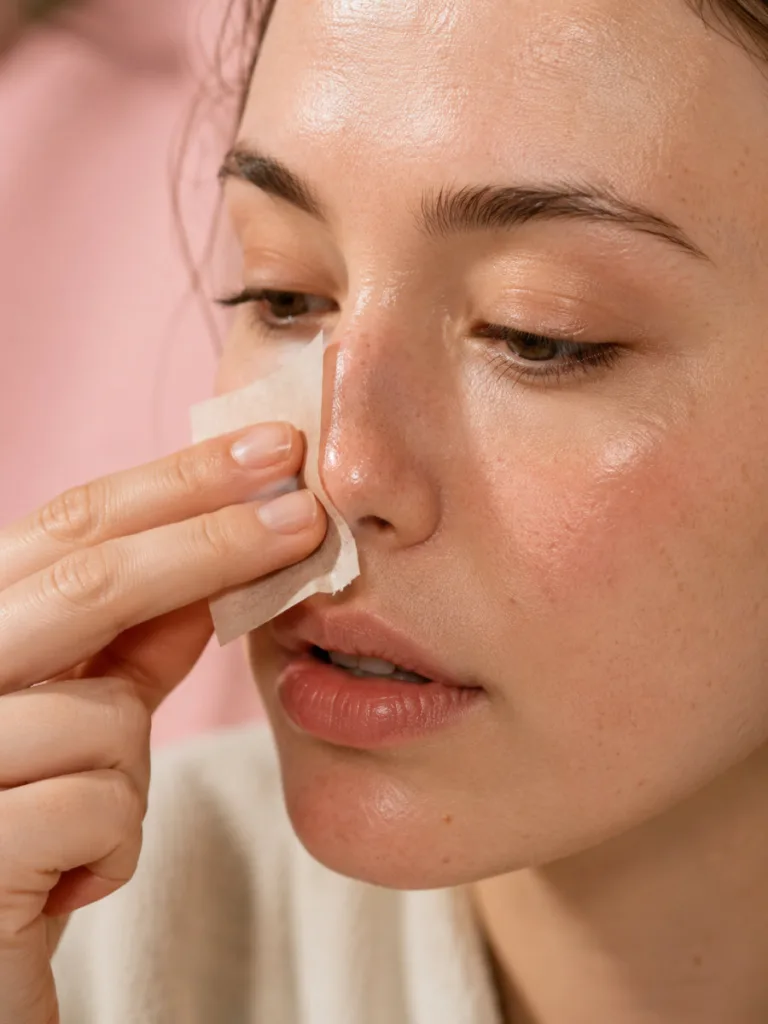
The Blotting Sheet Test
Press a clean blotting sheet on different face zones. More oil on the T-zone than the cheeks confirms combination skin.
The Tight-Skin Test
If cheeks feel tight after cleansing but the T-zone still looks slick, your skin is dehydrated combination skin, not oily skin needing harsher products.
Knowing your exact skin type changes which products help and which ones backfire. Oily skin can handle stronger oil-control formulas across the whole face. Combination skin needs a split approach that treats the T-zone and cheeks differently, since one strong formula applied everywhere often over-dries the cheeks while barely touching the nose.
Worth knowing: Retest your skin type once a season. Hormones, humidity, and even a new medication can shift oil production, so a test that confirmed oily skin last summer might show combination skin this year.
Build A Morning Routine That Controls Shine
Good oily T-zone care starts each morning, before shine sets in. Your AM routine should focus on light hydration and oil control without stripping the skin barrier. A stripped barrier reacts by producing more oil, which defeats the purpose of an oil-control routine.
Start with a gentle, sulfate-free gel cleanser. Follow with an alcohol-free toner containing witch hazel or niacinamide. Then apply a lightweight, oil-free moisturizer before sunscreen.
- Cleanse with a gel formula. Gel cleansers remove sweat and oil without drying out cheeks.
- Use a niacinamide serum. Niacinamide regulates sebum production and shrinks the look of pores over time.
- Choose a gel moisturizer. Gel textures hydrate the skin without adding grease to the T-zone.
- Apply mineral sunscreen. Zinc oxide sunscreens sit better on oily skin and rarely clog pores.
- Use a mattifying primer. A silica-based primer keeps makeup in place through humid afternoons.
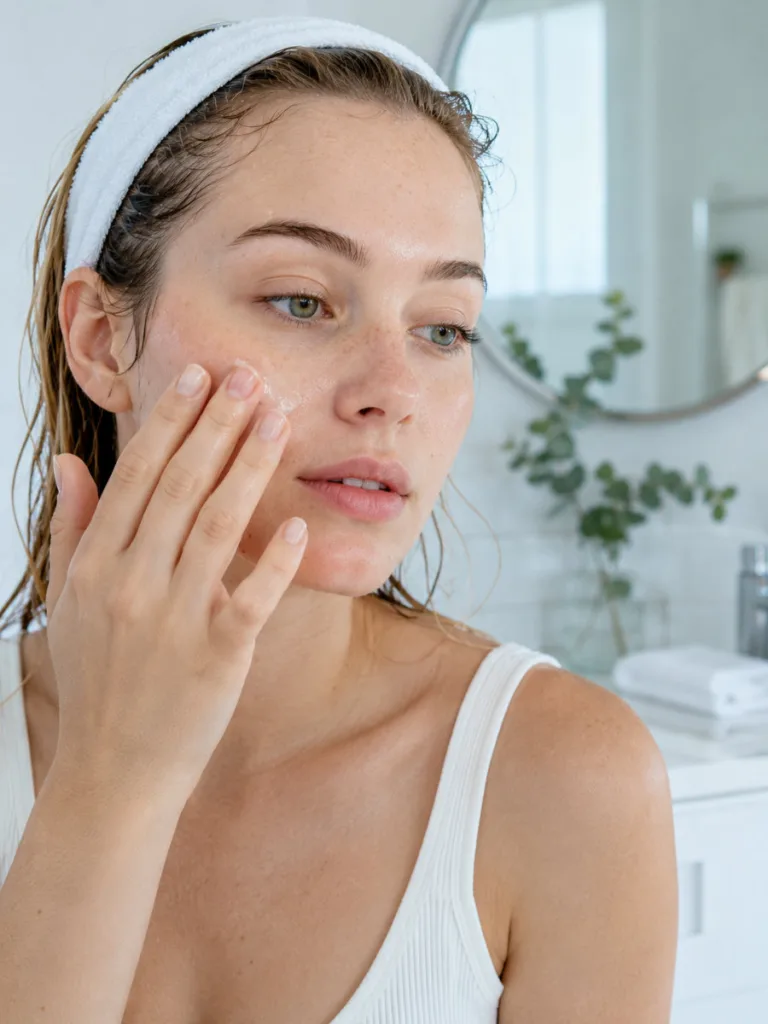
Heads up: Give each layer a minute to absorb before adding the next. Rushing through your AM routine causes products to pill, which leaves a greasy film by midmorning instead of a smooth base. That’s often why oily skin still looks worse by noon, even with the right products.
Build a night routine that resets your skin.
Your PM routine should remove the day’s buildup and repair the skin barrier while you sleep. Night is the best time to treat oil production at its source instead of masking it.
Double cleansing works well in summer because sunscreen and sweat need an oil-based cleanser first. Follow with a water-based cleanser, then treat your skin with actives.
- Double cleanse every night. An oil cleanser breaks down SPF and sebum, then a gel cleanser finishes the job.
- Rotate exfoliating acids. Use salicylic acid two nights a week to unclog pores without over-drying skin.
- Apply a lightweight retinol. Retinol at night helps control oil production and smooths texture over weeks.
- Seal with a gel-cream. A thin gel-cream moisturizer locks in hydration without feeling heavy overnight.
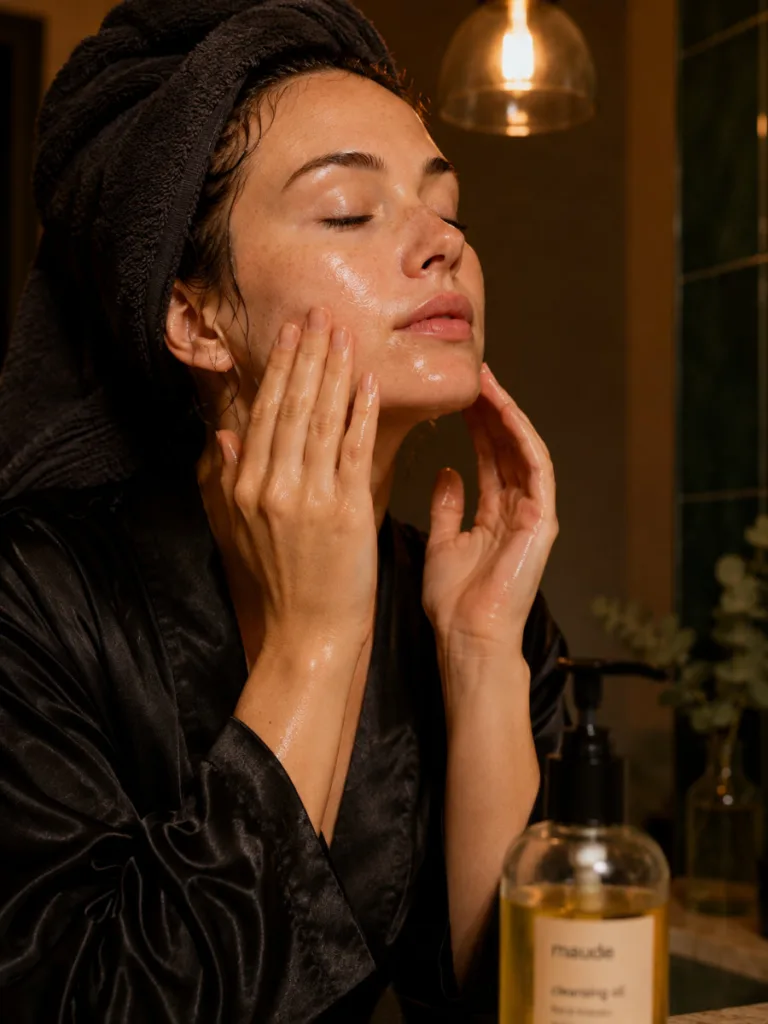
Consistency matters more than product cost. A simple four-step PM routine used every night beats an expensive routine used only twice a week. Skin needs repeated exposure to actives like retinol and niacinamide before results show, usually four to six weeks of steady use.
One thing to watch: Air conditioning dries out indoor air just as much as heat dries out skin outdoors, so summer nights spent under strong air conditioning can leave combination skin flakier than expected. A hydrating sheet mask once or twice a week helps offset that indoor dryness without adding extra oil to the T-zone.
Handle Sweat And Workouts Without Breakouts
Sweat trapped under makeup or sunscreen causes clogged pores fast. This is one of the biggest summer skin complaints, and most guides ignore it completely.
Rinse your face immediately after any workout, even a short walk. Sweat contains salt and bacteria that irritate oily skin if left on the surface too long. Letting sweat dry on the skin also allows salt crystals to clog pores as they settle.
- Carry facial wipes for cardio days. Use fragrance-free wipes between sets if a full rinse is not possible.
- Reapply sunscreen after sweating. Sweat breaks down SPF protection within an hour of heavy activity.
- Swap heavy foundation for tinted sunscreen on gym days. Lighter coverage breathes better under sweat.

Also worth noting: Damp fabric, like sweaty headbands or gym towels, holds oil and bacteria against the hairline and jawline. Swap out sweaty accessories quickly and wash gym towels more often during summer months to avoid breakouts along the edges of the face.
Avoid These Ingredient Mistakes
Combining certain actives in hot weather increases irritation, and that irritation raises oil production as skin tries to protect itself. Heat already makes skin more reactive, so layering too many actives at once compounds the problem quickly.
Retinol and exfoliating acids together often strip the skin barrier, which overproduces oil to compensate.
- Do not layer retinol with strong acids on the same night. Alternate nights instead to avoid irritation.
- Skip heavy, comedogenic oils in your moisturizer. Coconut oil and cocoa butter can clog pores on oily zones.
- Avoid alcohol-based toners. These dry out skin fast, triggering rebound oiliness within hours.
- Introduce new actives one at a time. Adding several new products in the same week makes it hard to identify what caused a reaction.
Quick note: Patch test any new product on your jawline for three days before applying it across your whole face. This single habit catches most reactions before they spread to visible areas, and it costs nothing beyond a few extra days of patience.
Diet And Lifestyle Habits That Affect Summer Oil
What you eat and how you sleep shape how much oil your skin produces, especially in summer heat. Sugary foods and dehydration both push sebaceous glands to work harder.
High-glycemic foods like white bread and soda spike blood sugar, which triggers hormones linked to oil production. Poor sleep raises cortisol, a stress hormone that also increases sebum output.
- Cut back on high-sugar snacks during heat waves. Blood sugar spikes correlate with increased breakouts in several dermatology studies.
- Prioritize seven hours of sleep. Lower cortisol levels help keep oil production steady through hot weather.
- Change pillowcases twice a week. Sweat and oil buildup on fabric transfers back onto skin overnight.
Real talk: Hydration habits matter just as much as diet. Skin that lacks water internally often overcompensates by producing more surface oil, so pairing a balanced diet with steady water intake supports every other step in your routine.
Adjusting Your Routine For Travel And Humidity
Humidity levels change constantly during summer travel, and oily and combination skin respond fast to those shifts. A combination skin summer routine that works fine at home can feel wrong within a day in a more humid or drier climate.
In high humidity, skip heavier creams and lean on gel formulas, since the air itself adds moisture. In dry, air-conditioned environments like planes or hotels, add an extra layer of hydrating serum before bed. Pack a compact cleanser and travel-size sunscreen to keep your routine consistent wherever you go.
Summer Skin Care Tips For Oily And Combination Skin: Myths To Drop
A few myths keep oily and combination skin sufferers stuck with the wrong habits every summer, often making their skin worse instead of better.
| Myth | Reality |
| Oily skin does not need moisturizer. | Skipping moisturizer signals your skin to produce more oil, not less. |
| Matte makeup fixes oily skin long-term. | Matte formulas mask shine but do nothing to balance sebum production underneath. |
| Washing your face more often reduces oil. | Over-washing strips natural oils and causes rebound greasiness by afternoon. |
| Sunscreen makes oily skin worse. | Modern gel and mineral formulas are lightweight enough to skip this old concern entirely. |
Budget-Friendly Swaps For Every Splurge Product
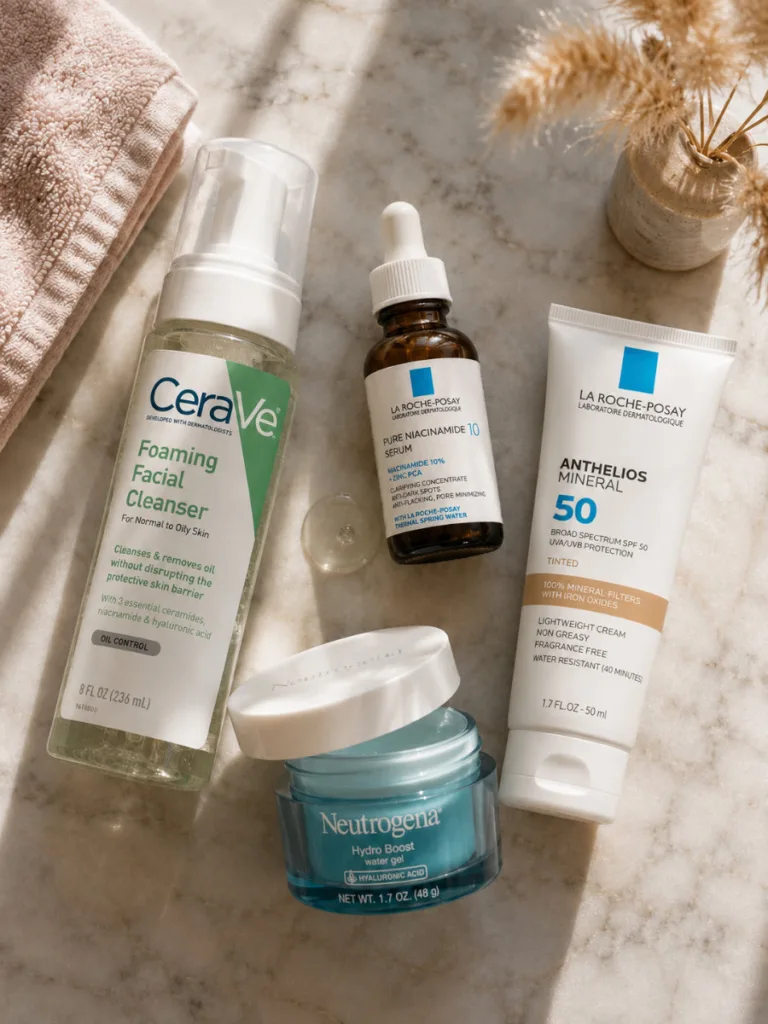
You do not need expensive products to manage oily or combination skin well. These budget-friendly sebum control tips prove that drugstore brands now match many premium formulas at a fraction of the price.
CeraVe Foaming Facial Cleanser
Works as a budget gel cleanser alternative for oily zones.
The Ordinary Niacinamide 10% + Zinc 1%
Delivers the same oil control as pricier serums.
Neutrogena Hydro Boost Water Gel
Offers lightweight hydration comparable to luxury gel moisturizers.
La Roche-Posay Anthelios Mineral Sunscreen
Provides zinc oxide protection at a mid-range price point.
Pro tip: Look for the active ingredient first and the brand name second. Niacinamide, salicylic acid, and zinc oxide perform the same job whether the bottle costs eight dollars or eighty. Reading the ingredient list closely usually matters more than reading the price tag.
Frequently Asked Questions
Does drinking more water reduce facial oil?
Water supports overall skin hydration, but it will not directly cut sebum production. Topical hydration and the right cleanser matter more.
How often should oily skin use a clay mask in summer?
Twice a week works well for most oily and combination skin types without over-drying cheeks.
Can I skip sunscreen if my moisturizer has SPF?
No. Moisturizers with SPF rarely provide full coverage. Use a dedicated sunscreen underneath makeup.
Is powder better than cream products for oily skin?
Powder formulas absorb oil better in summer heat, though cream products still work if they are labeled non-comedogenic.
Why does my T-zone get oily by noon even after washing?
Heat and humidity trigger sebaceous glands to overproduce oil, especially if your moisturizer is too heavy or too light.
Should combination skin use two different moisturizers?
Yes, some people apply a richer cream on cheeks and a gel formula on the T-zone for balanced hydration.
Conclusion
These summer skin care tips for oily and combination skin prove you do not have to fight the heat every single day. Confirm your real skin type, build routines suited to morning and night, protect your barrier from sweat and harsh ingredient combos, and pay attention to diet, sleep, and travel changes. None of these tips require a full overhaul overnight. Small, consistent changes add up faster.
Start with one change this week, like swapping your moisturizer for a gel formula, and build from there. Track how your skin responds over the next two weeks before adding another new step.
For more skin care tips, please visit VelvetBoard.