Skincare Fridge Guide: 15 Best Products Worth Chilling
Is your vitamin C serum turning orange in the bottle right now? That color shift means the active ingredient already broke down, and a warm bathroom shelf is usually the reason. Most people never connect the two until the serum stops working.
A skincare fridge fixes that exact problem. It holds products between 40 and 60 degrees Fahrenheit, cold enough to slow ingredient breakdown without freezing gels or creams solid. That narrow range protects vitamin C, retinol, and other actives that lose potency fast when they sit in heat and light.
This guide covers the 15 products worth chilling, the ones that hold up better at room temperature, and how to pick a fridge size that matches your real routine instead of a stock photo.
What Is a Skincare Fridge, and Do You Actually Need One?
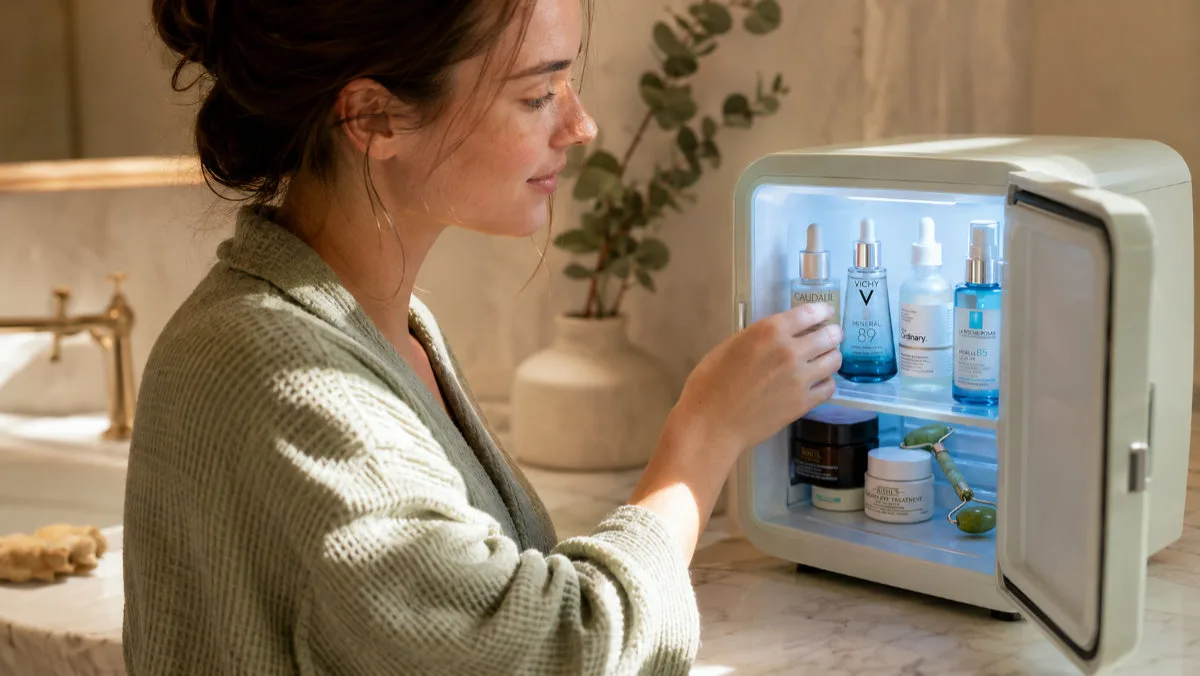
A skincare fridge is a small, dedicated cooler built to hold beauty products at a steady, moderate temperature. It’s become common in skincare routines, though the marketing around it can make it feel more essential than it is. Here’s what it is and whether your routine really needs one.
What a Skincare Fridge Actually Is
Unlike your kitchen fridge, a skincare fridge runs warmer, usually between 40 and 60 degrees Fahrenheit, so creams and gels stay smooth instead of stiffening up. Some brands sell the same device as a beauty fridge, but the function doesn’t change. The appeal goes beyond function, too. It keeps your favorite items visible and within reach on a counter or nightstand, and that small ritual of opening the door each morning can make a routine feel more like self-care and less like a chore.
Do You Actually Need One?
You do not need one to have healthy skin. Most products are formulated to hold up at normal room temperature for months. But if you live somewhere hot, use preservative-free products, or love the cooling sensation of chilled skincare, a dedicated fridge solves a real problem instead of creating one.
A skincare fridge is never a medical necessity. It’s a comfort upgrade, similar to a heated towel rack or a fancy showerhead. If your bathroom already runs cool and your products already feel fine at room temperature, you can skip the purchase without losing any real skin benefit. The decision comes down to lifestyle and preference, not a strict skincare rule.
How Cold Should a Skincare Fridge Be?
Temperature control is where most buying guides fall short, and it’s the detail that protects your products. A regular kitchen fridge runs between 35 and 38 degrees Fahrenheit. That is cold enough to separate creams, harden balms, and ruin the texture of anything oil-based.
The Ideal Temperature Range
A proper skincare fridge stays in the 40- to 60-degree range. That gap keeps antioxidants like vitamin C stable while leaving lotions and gels easy to spread. Most compact units use thermoelectric cooling, a quiet system that cools items 20 to 40 degrees below room temperature rather than hitting a fixed number like a food fridge does.
If your fridge has an adjustable dial, aim for the low 50s as a starting point. That range delivers the refreshing feel people want without the risk of separating your moisturizer.
Using the Warm Setting
Some models double as a warmer, holding items closer to 100 degrees for pre-massage oils or hot towel treatments. That’s useful, but check the dial before loading a fresh batch of products. A quick check with a fridge thermometer during the first week confirms the unit holds a steady temperature instead of drifting.
15 Products Worth Storing in Your Skincare Fridge
Not every product benefits from a chill, but a good number do. Cooling skincare products only works when you chill the right ones, so each item below comes with the exact reason it belongs in the cold and a tip for storing it right.
1. Vitamin C Serum
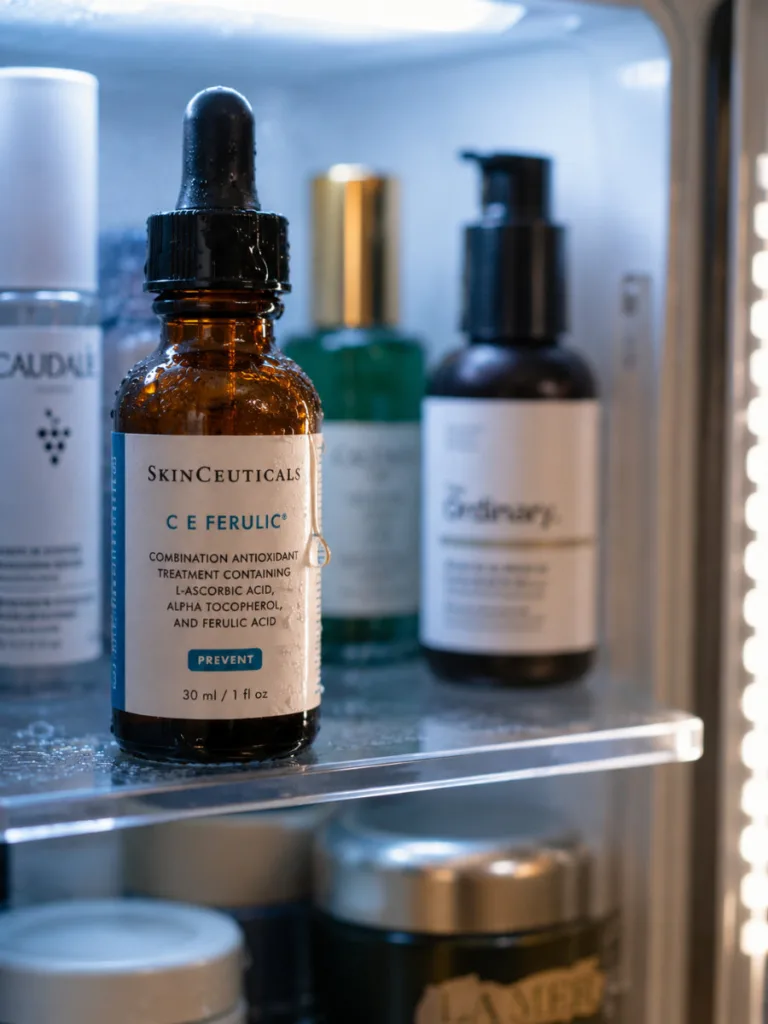
Heat and light break vitamin C down fast, turning the serum orange and cutting its brightening power within weeks. Research on ascorbic acid stability shows that oxidation speeds up with heat, light, and air exposure. Cold storage slows that process and can add close to three months to its effective shelf life, especially for formulas above 15% concentration, where breakdown happens fastest.
Storage tip: Keep the bottle upright toward the back of the shelf, away from the door where temperature swings hit hardest every time it opens.
2. Eye Cream
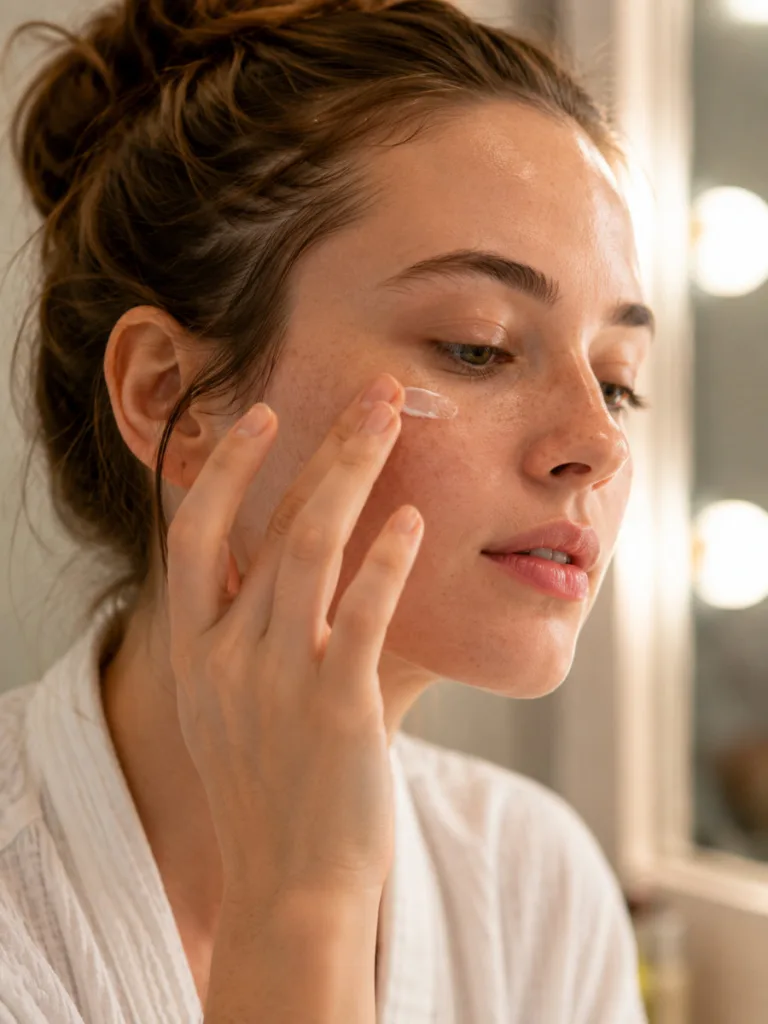
Cold temperature constricts the blood vessels under your eyes, cutting morning puffiness within minutes of application. The chilled texture also sits lighter under makeup and absorbs faster than a room-temperature formula, which matters most right before concealer.
Storage tip: Store it on the top shelf so it’s the first thing you reach for during a rushed morning routine.
3. Facial Mist or Toner

A chilled spritz cools overheated skin on contact and makes pores look tighter instantly, an effect that fades within an hour at room temperature. Water-based formulas hold their consistency in the cold, unlike oil-based mists that can separate.
Storage tip: Spray it after a workout or a flight, when skin runs warmest and needs the fastest relief.
4. Sheet Masks
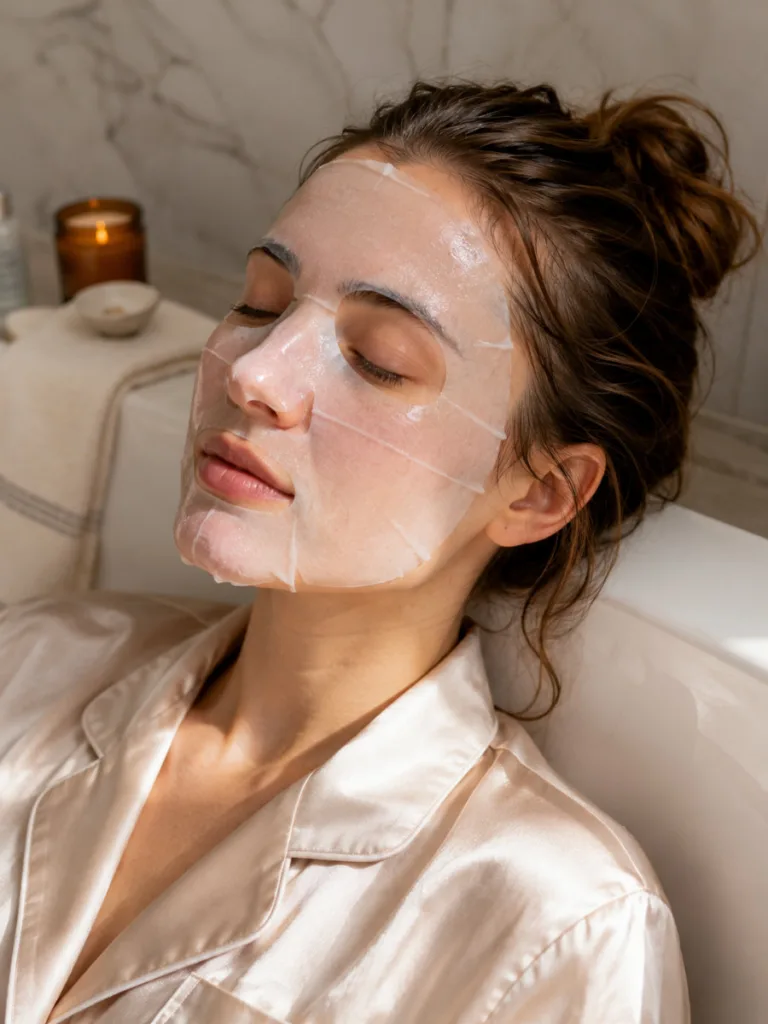
Cold masks calm redness and irritation faster than room-temperature ones, since the chill adds a mild soothing effect on top of the mask’s own ingredients. Cold also slows how fast the essence evaporates once you open the packet, so more of it reaches your skin.
Storage tip: Store only a few days’ worth at a time so the shelf stays organized and nothing gets buried in the back.
5. Gel Moisturizers

Water-based gels stay smooth in the cold instead of separating like heavier creams, since they contain little to no oil that could solidify. The cooling sensation on application also calms flushed or overheated skin within seconds.
Storage tip: Reach for a chilled gel moisturizer after sun exposure, when skin needs both hydration and a cooling effect at once.
6. Jade Rollers and Gua Sha Tools

Cold stone boosts the de-puffing effect of a facial massage more than a room-temperature tool, since the chill adds vessel constriction to the rolling motion. The chill also tightens the look of pores as you work the tool across your skin.
Storage tip: Give the tool at least an hour in the fridge before using it, since a quick five-minute chill barely changes the surface temperature.
7. Eye Masks and Under-Eye Patches

Chilling these doubles their anti-puffiness power by combining cold therapy with active ingredients like caffeine or peptides. The cold also numbs mild under-eye sensitivity, which makes application more comfortable on tired mornings.
Storage tip: Wear a cold pair for ten minutes after a bad night’s sleep for the most visible difference.
8. Ice Roller Heads
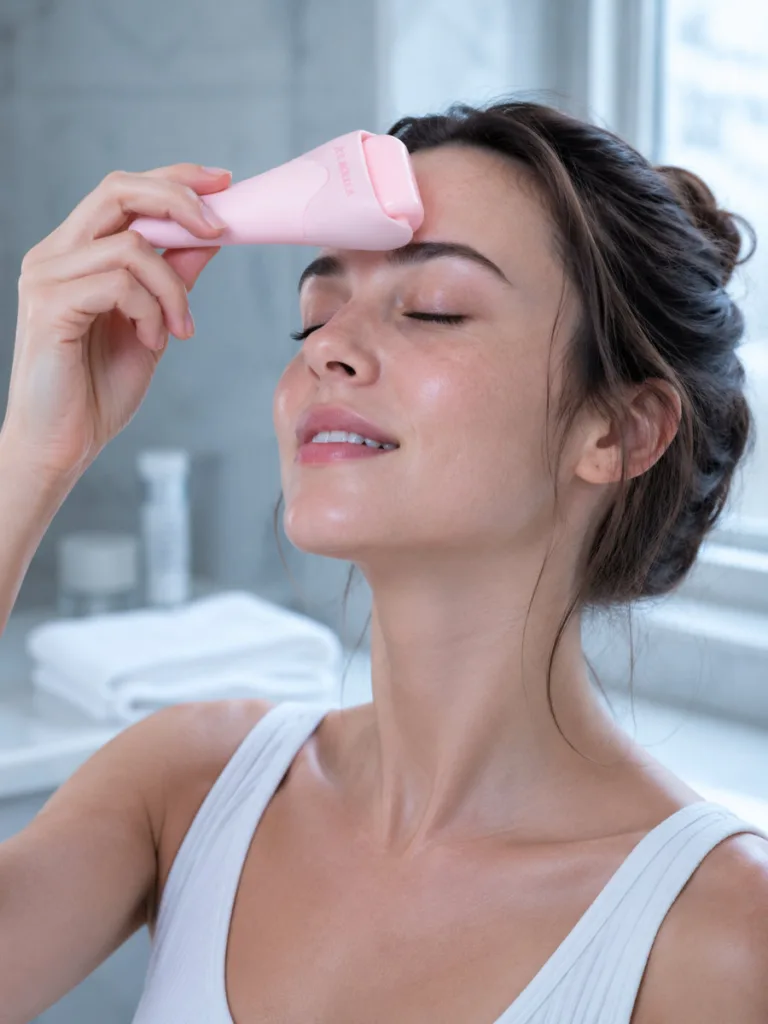
Keeping the roller head cold means it’s ready the second you want it, with no freezer wait required before use. The steady chill it provides is gentler than a freezer, which can get cold enough to sting sensitive skin.
Storage tip: Use it before makeup application to cut redness and help products glide on smoother.
9. Aloe Vera Gel
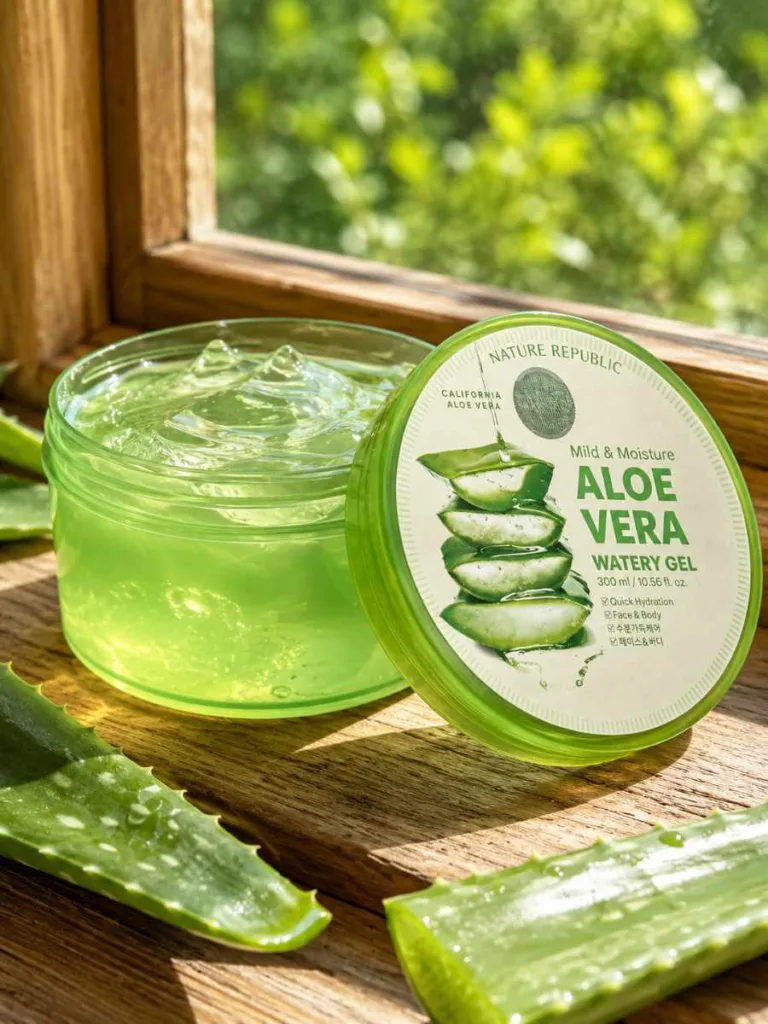
Refrigeration deepens aloe’s natural cooling effect, making it more soothing on sunburned or irritated skin than a room-temperature application. Cold storage also slows spoilage in aloe gels that skip synthetic preservatives, since those formulas spoil faster than mainstream products.
Storage tip: Keep a small jar in the door for quick access right after sun exposure.
10. Probiotic Skincare
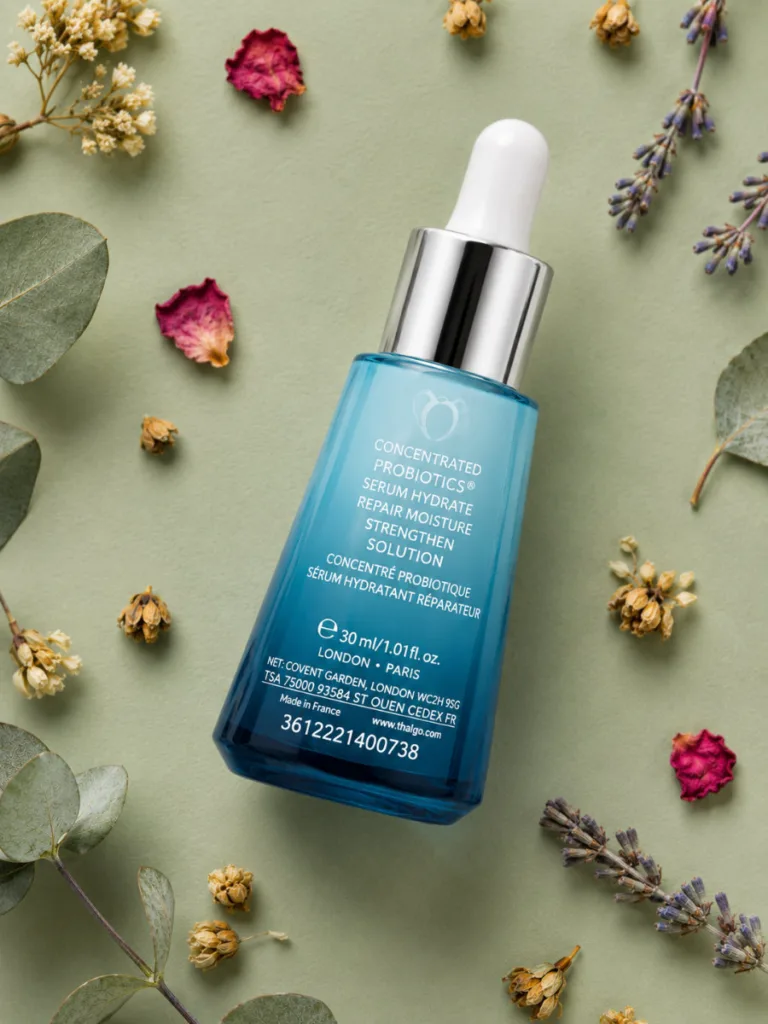
Live cultures in probiotic formulas stay active longer at cooler temperatures, since heat speeds up culture die-off and weakens the product’s intended benefit. Not every probiotic formula needs refrigeration, so the label is worth checking first.
Storage tip: Look for a “refrigerate after opening” note on the packaging before assuming it belongs in the fridge.
11. Niacinamide Serum
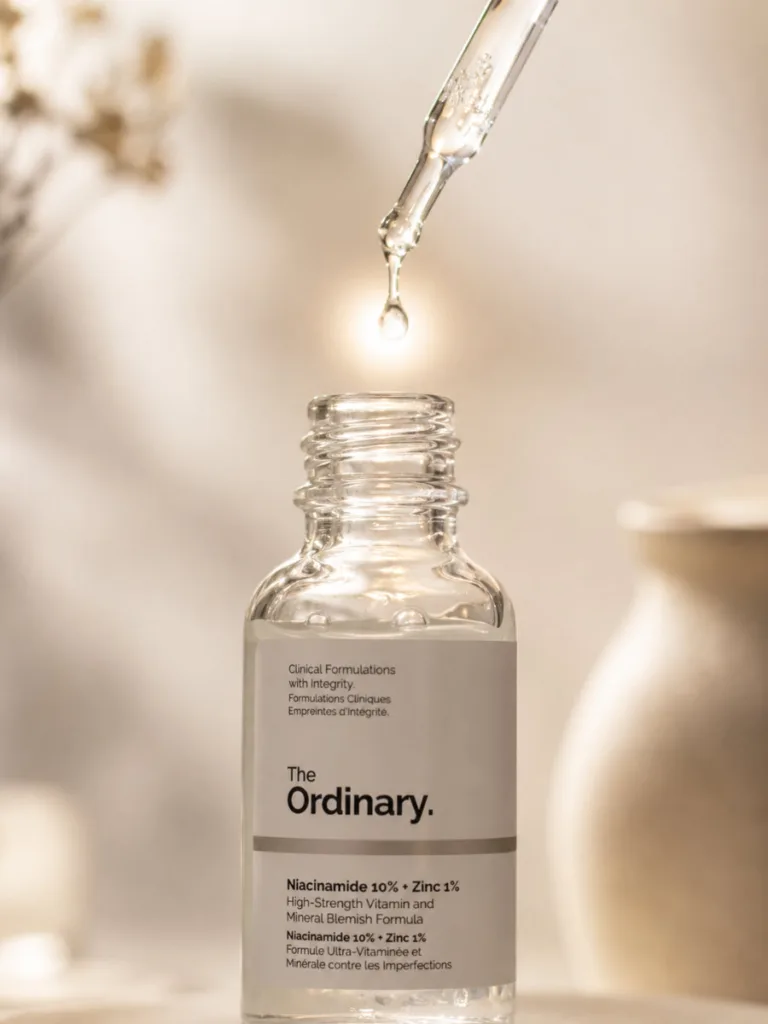
Niacinamide is naturally stable, but cold storage keeps its texture consistent and prevents separation over months of use. The chilled application also feels calming on reactive or sensitive skin, which makes it comfortable for daily use.
Storage tip: Treat this one as a low-risk, high-reward addition if you have extra fridge space to spare.
12. Retinol Serum
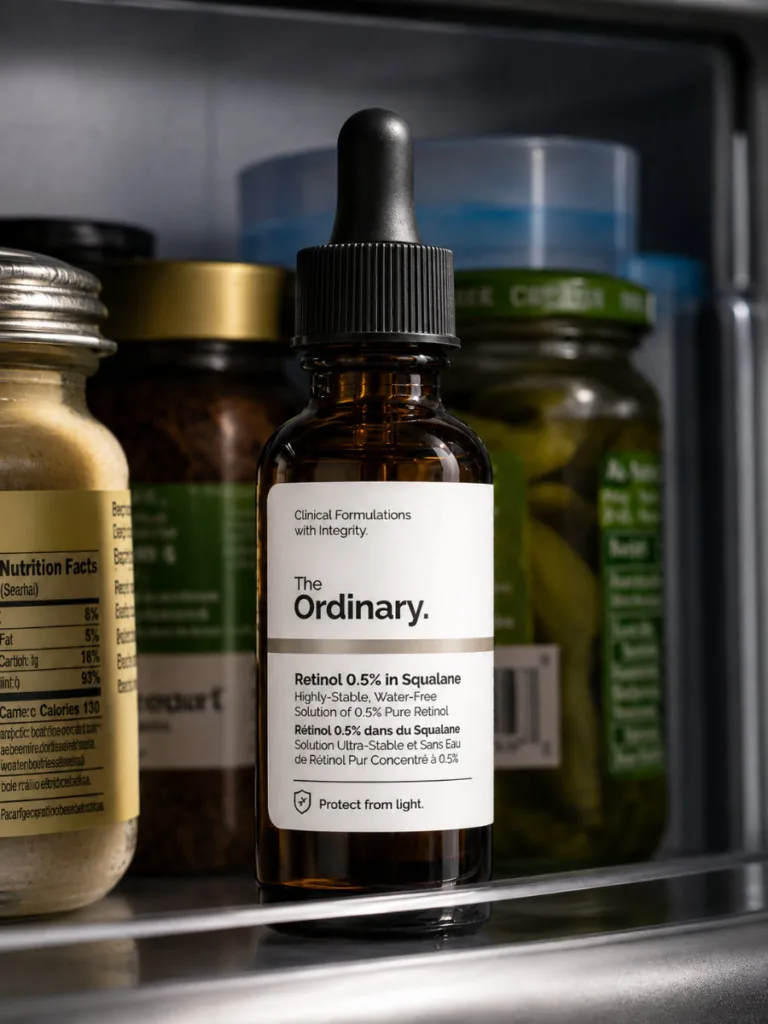
Light and heat degrade retinol faster than almost any other active ingredient, sometimes cutting its effectiveness within a single warm summer. A dark, cool fridge protects it far better than a bathroom cabinet near a window.
Storage tip: Store it in its original opaque bottle inside the fridge, since clear glass offers no light protection on its own.
13. Hyaluronic Acid Serum
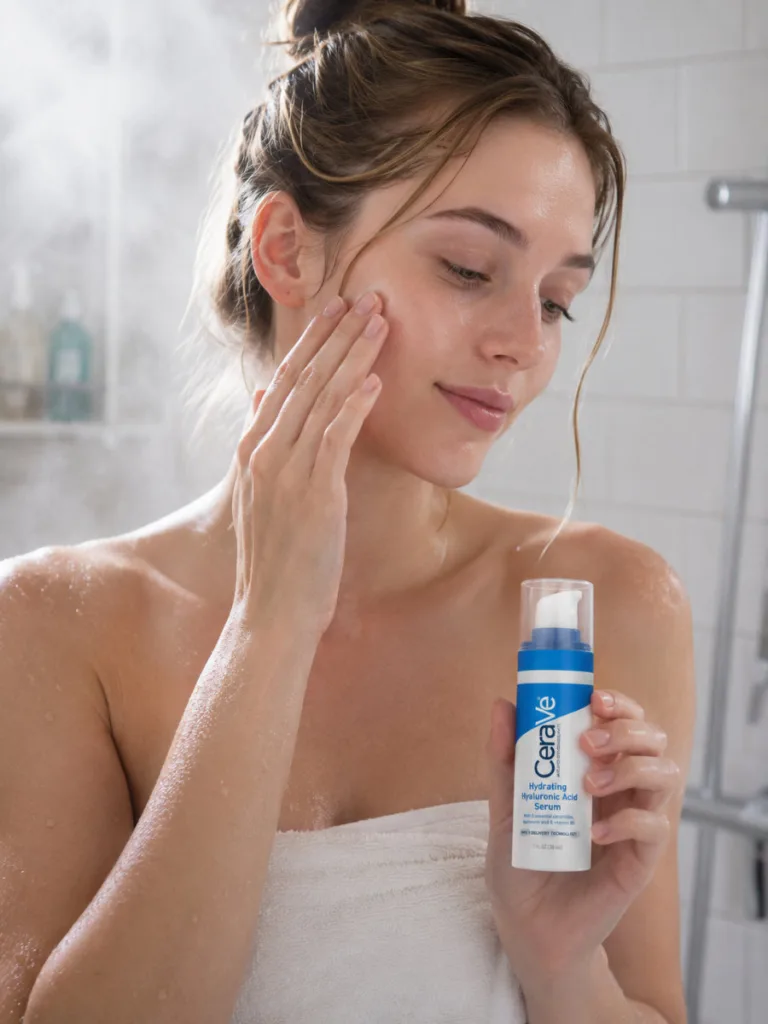
A cool application feels more hydrating on warm or flushed skin, and the sensation makes the product feel more effective even though the ingredient itself is stable at room temperature. This one is about comfort more than preservation.
Storage tip: Use it chilled right after a hot shower, when skin is warmest and most receptive to the cooling effect.
14. Face Rollers With Metal Heads

Metal holds cold longer than stone, which makes these rollers especially effective for quick de-puffing sessions before you’re out the door. The extended chill means less time waiting for the tool to feel cold enough to work.
Storage tip: Wipe the roller down before returning it to the fridge to avoid product buildup on the metal surface.
15. Preservative-Free Products
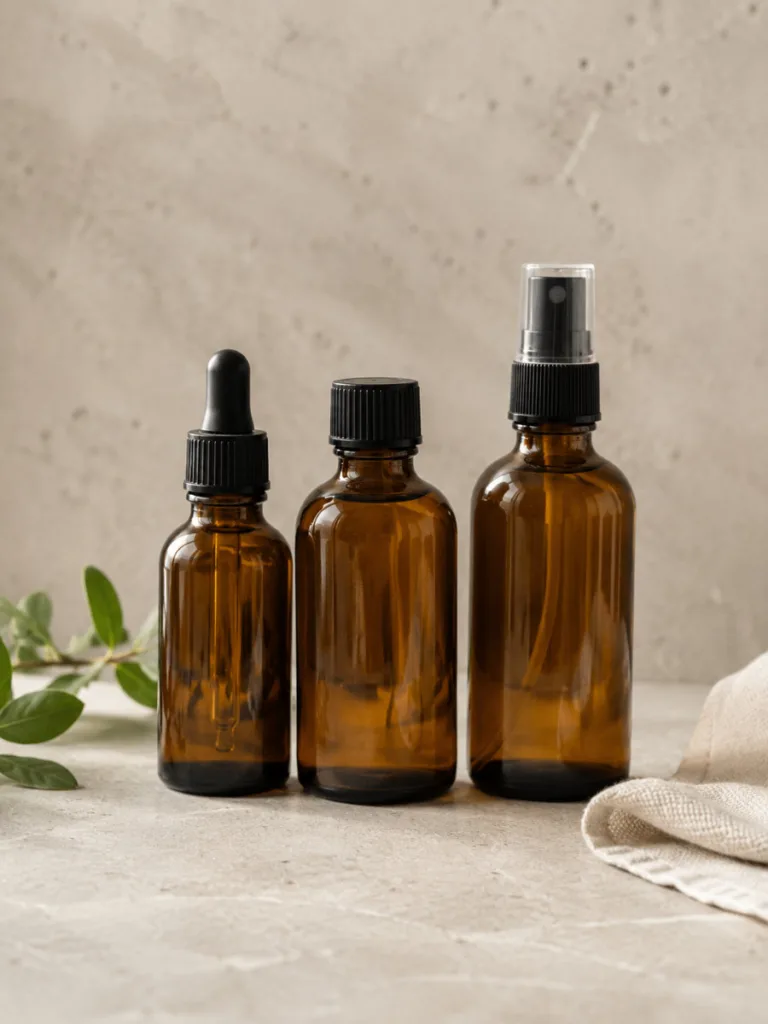
Anything without synthetic preservatives breaks down and grows bacteria faster at room temperature, sometimes within weeks of opening. Cold storage slows both processes, extending how long the product stays safe to use on your skin.
Storage tip: Treat refrigeration as a rule, not a suggestion, for any clean or DIY-style formula you make or buy.
Rotate these based on your climate and skin needs. In summer, prioritize the cooling tools and mists. During colder months, focus on the actives that need protection from temperature swings in a dry, heated home.
A useful trick is grouping products by how often you reach for them. Keep daily items like your eye cream and toner on the top shelf, and reserve the door for occasional-use masks and tools. This small habit saves time during a rushed morning routine and keeps your most-used products from getting buried behind less frequent picks.
Storage life varies by product too. Vitamin C serum stored cold can hold its potency for close to three months longer than the same bottle left on a warm shelf, based on general findings about ingredient degradation at lower temperatures. Retinol shows a similar pattern, since both light and heat speed up its breakdown. Treat these two ingredients as the highest priority for your fridge space.
What to Keep Out of Your Skincare Fridge
Chilling everything is not the goal, and some products actively suffer in the cold. Knowing the exceptions saves you from ruining a product you paid good money for.
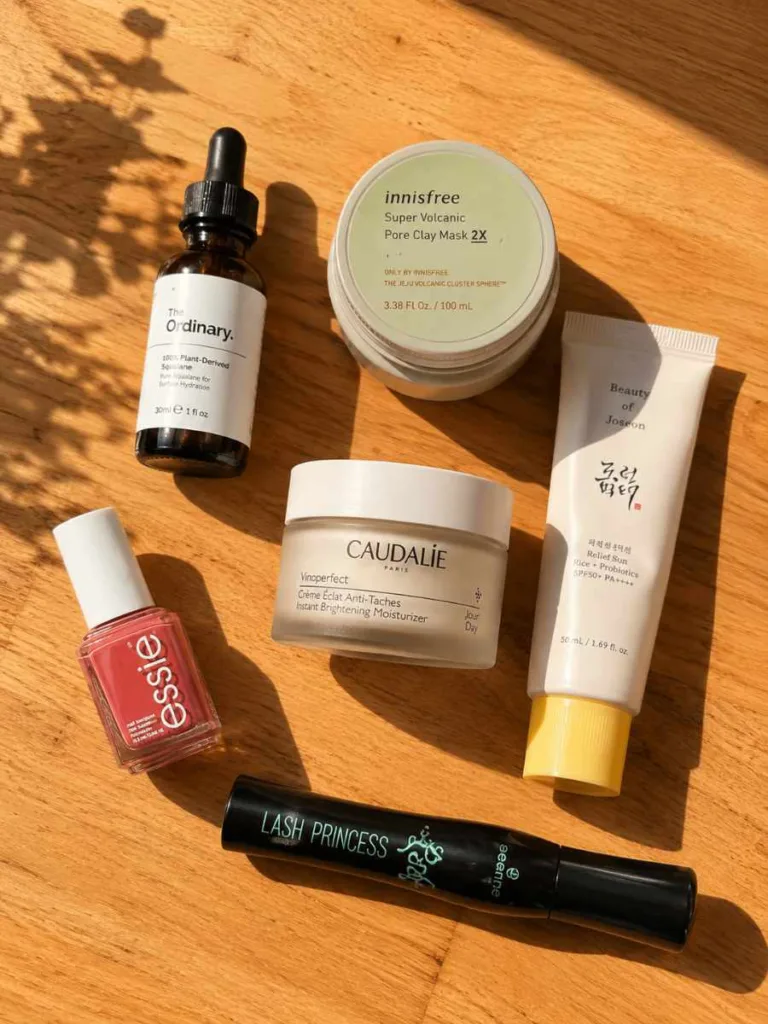
Facial Oils and Oil-Based Serums
Cold temperatures solidify oils and turn them cloudy, and that texture change is permanent once the oil separates from its base. No amount of warming fully restores the original consistency once this happens.
Storage tip: Store these at room temperature, away from direct light, in a cabinet instead of the fridge.
Clay Masks and Peel-Off Formulas
Cold hardens clay into a dense, unusable block within hours of refrigeration. Peel-off masks behave the same way, losing their stretch and becoming hard to spread evenly across skin.
Storage tip: Keep both in a cool, dry cabinet instead of the fridge, ideally away from direct sunlight.
Sunscreen
Extreme temperature swings break down SPF filters and can leave you with uneven sun protection across your face. This applies to chemical and mineral formulas alike, so there’s no safe exception here.
Storage tip: Store sunscreen at room temperature and check the expiration date each season instead of chilling it.
Cream-Based Moisturizers
Heavy creams rich in butters or oils tend to separate in the cold, losing their smooth, blendable texture within days. Gel moisturizers handle refrigeration fine, but a thick night cream usually does not.
Storage tip: Test a small sample for a week before committing a full-size jar to cold storage.
Nail Polish
Cold thickens nail polish, making it harder to apply evenly and more likely to streak or bubble on the nail. This happens because the pigment and solvent separate slightly at lower temperatures.
Storage tip: Keep polish in a drawer away from direct sunlight, and warm the bottle in your hands for a minute if it’s ever been chilled.
Makeup Products
Foundation, mascara, and pressed powders rely on oils and waxes that need room temperature to blend smoothly onto skin. Cold storage stiffens these formulas and can cause separation that ruins the texture permanently.
Storage tip: Save your fridge space for skincare, not your makeup bag, since the cold offers no real benefit here.
How to Choose the Right Skincare Fridge Size
Size decisions come down to one question: how many products do you want to chill? Most people overestimate this number and end up with a fridge too small for their routine within a month.
Choosing a Size by Product Count
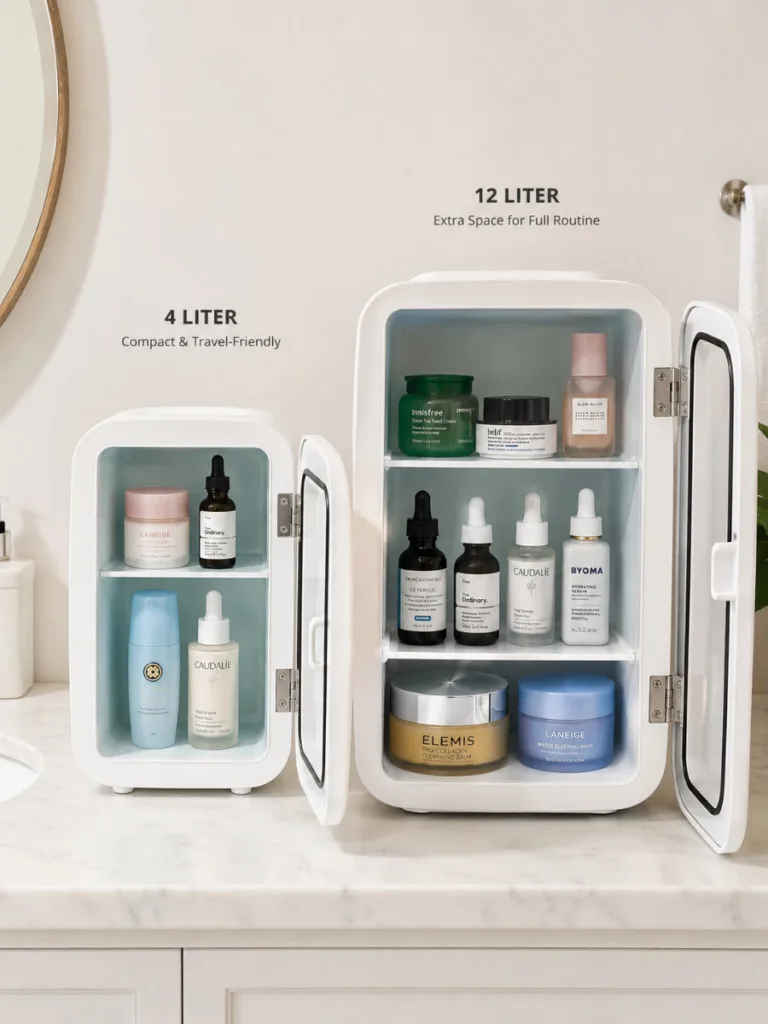
For a minimal setup of five to seven items, a compact 4-liter mini skincare fridge works well and fits easily on a bathroom shelf. If your list from the section above includes eight or more products plus a couple of tools, look at a 10 to 12 liter unit instead. These mid-size options usually include a removable shelf and door storage, which keeps small items like eye patches from getting buried.
Larger 15-liter-plus fridges make sense for anyone storing skincare for two people or combining beauty products with drinks. Before buying, measure your available counter or floor space, since even compact fridges need a few inches of clearance behind them for proper airflow.
Price by Tier
Price tends to track size and features rather closely.
- Budget (under $40): Basic cooling and a single shelf, which suits a simple routine.
- Mid-range ($50-$80): Often adds a mirrored door, LED lighting, and adjustable shelving.
- Premium ($100+): Typically includes Bluetooth speakers or app-based temperature control, features that add convenience but rarely change how well your products keep.
Skincare Fridge Placement and Maintenance Tips
Where you put your skincare fridge and how you clean it decide how long it lasts and how often you use it. Get both right and the fridge becomes part of your daily routine instead of a countertop decoration you forget about.
Best Placement for Your Fridge
A bathroom counter keeps products within arm’s reach during your routine, but bathrooms run humid, which can shorten the life of the fridge’s internal components over time. A bedroom nightstand or a dresser near your vanity often works better. It stays dry, keeps the fridge quiet enough not to disturb sleep, and puts your cooled products right where you get ready. Leave three to four inches of space behind the unit so the fan can circulate air properly.
Cleaning and Maintenance
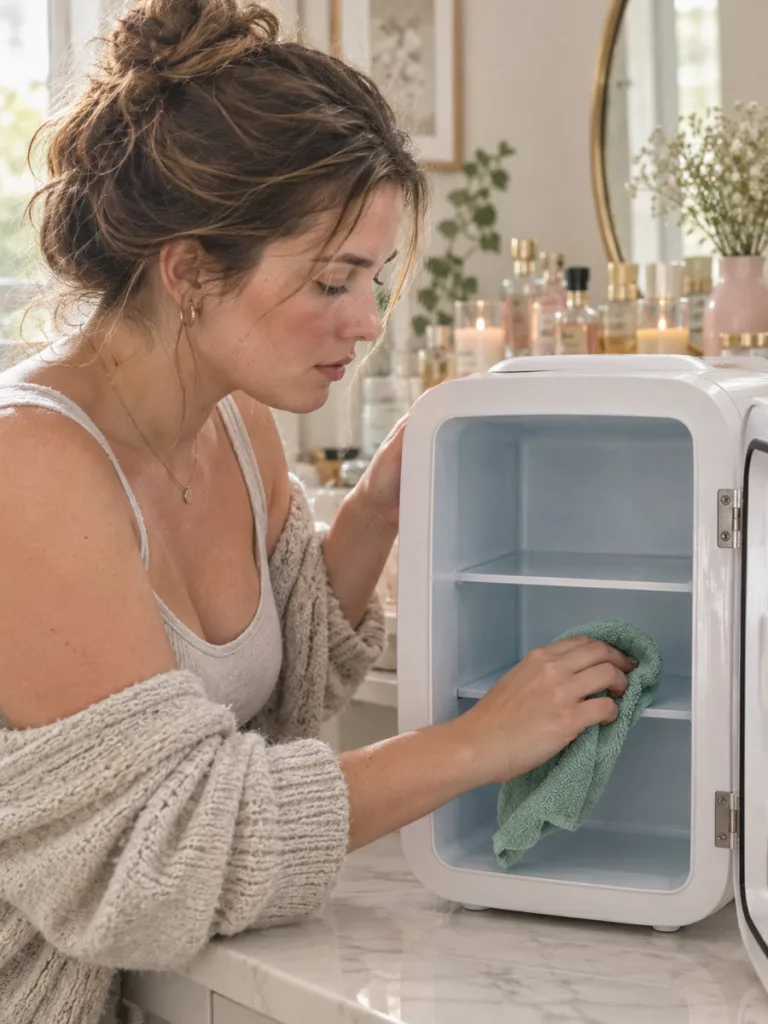
Wipe down the inside every two weeks with a damp cloth to prevent condensation buildup and product residue. Check expiration dates on anything without preservatives more often, since cold storage slows spoilage but does not stop it. A five-minute wipe-down once a month keeps the fridge smelling clean and functioning at its best.
Unplug the unit and let it sit open for an hour every few months. This simple step prevents musty odors from building up in the door seal, a common complaint with cheaper models. If you notice condensation pooling on the bottom shelf, your humidity levels are likely too high for the room, and a bedroom or vanity spot will work better than a steamy bathroom.
Frequently Asked Questions
1. How cold should a skincare fridge be?
A skincare fridge should stay between 40 and 60 degrees Fahrenheit. That range protects fragile ingredients without hardening creams or separating oils.
2. Can I use a regular fridge instead of a skincare fridge?
You can, but a regular fridge runs colder, between 35 and 38 degrees. That extra chill can separate creams and harden oil-based products.
3. Do skincare fridges make noise?
Most use quiet thermoelectric cooling that produces a low hum, similar to a small computer fan. It is rarely loud enough to disturb sleep.
4. How many liters do I need for a skincare fridge?
A 4-liter fridge suits five to seven products. Choose a 10 to 12 liter model if you store eight or more items plus tools.
5. Is a skincare fridge worth the money?
It is worth it if you use active ingredients like vitamin C or retinol, or love the cooling sensation. Minimalist routines may not need one.
Conclusion
A skincare fridge rewards you most when you stock it with the right products and skip the ones that do not belong. Pick a size that matches your actual routine, keep the temperature between 40 and 60 degrees, and wipe it down every two weeks. Start small: move your vitamin C serum and eye cream into the fridge tonight and feel the difference tomorrow morning.
For more skincare products and tips, please visit VelvetBoard.