How to Transition Skincare Routine Season by Season
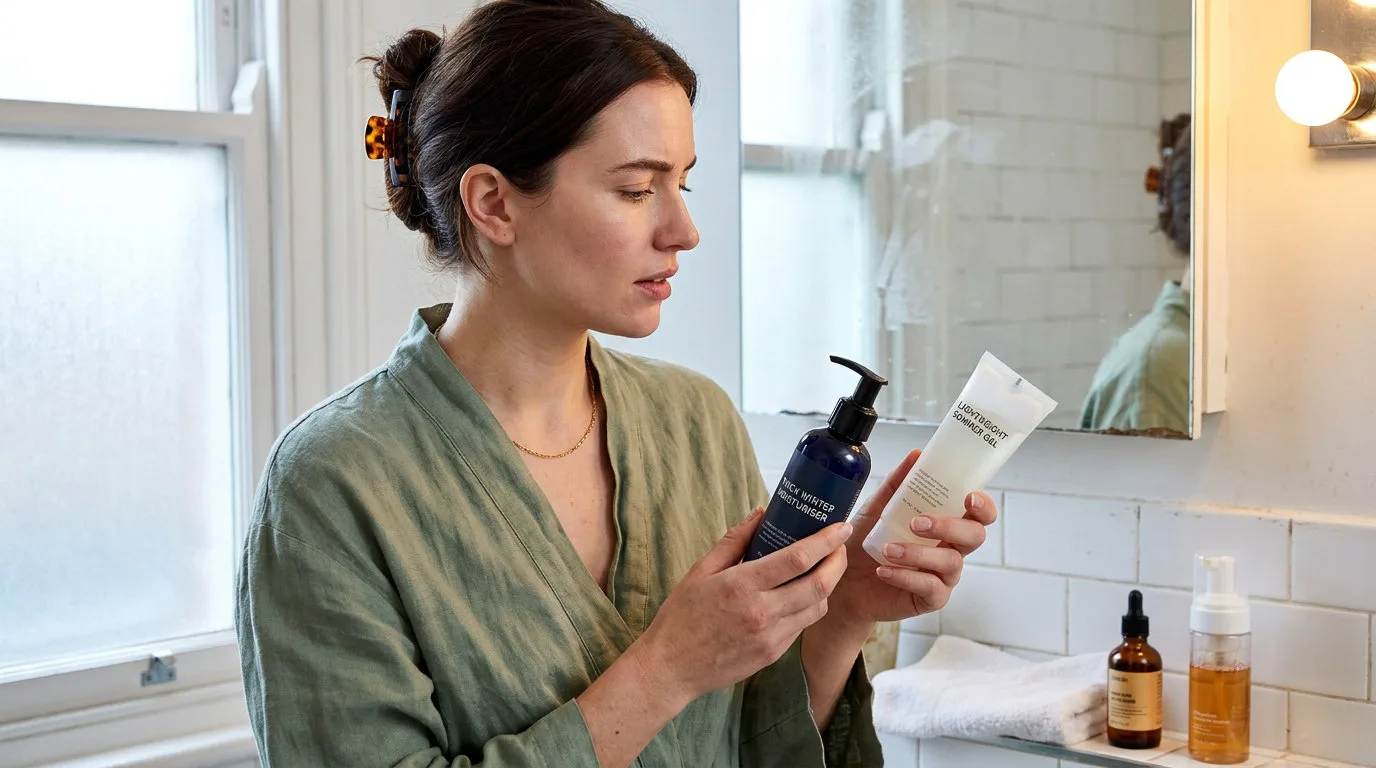
Why does your skin freak out every time the season changes?
For one month your routine works perfectly. The next day, you are oily by noon, dry by evening, or breaking out in places that were clear for months. The products are the same. The problem is that your skin has moved on and your routine has not.
Skin responds directly to temperature, humidity, and UV exposure. What it needs in January is different from what it needs in July. Knowing how to transition your skincare routine with each season is what stops the cycle of breakouts, dryness, and wasted products.
This guide covers every season, every skin type, and the exact signals that tell you when it’s time to act.
At a Glance: What Changes Each Season
Knowing how to adjust skincare for seasons comes down to what you dial up and what you pull back. Use this as your quick reference:
| Season | Main Focus | Dial Up | Dial Down |
| Spring | Rebalance after winter | SPF, light exfoliation | Heavy creams |
| Summer | Protection and oil control | SPF 50, lightweight layers | Thick serums, rich moisturizers |
| Fall | Barrier recovery | Ceramides, hydrating serums | Exfoliation frequency |
| Winter | Deep hydration | Occlusive moisturizers | Retinol/acid frequency |
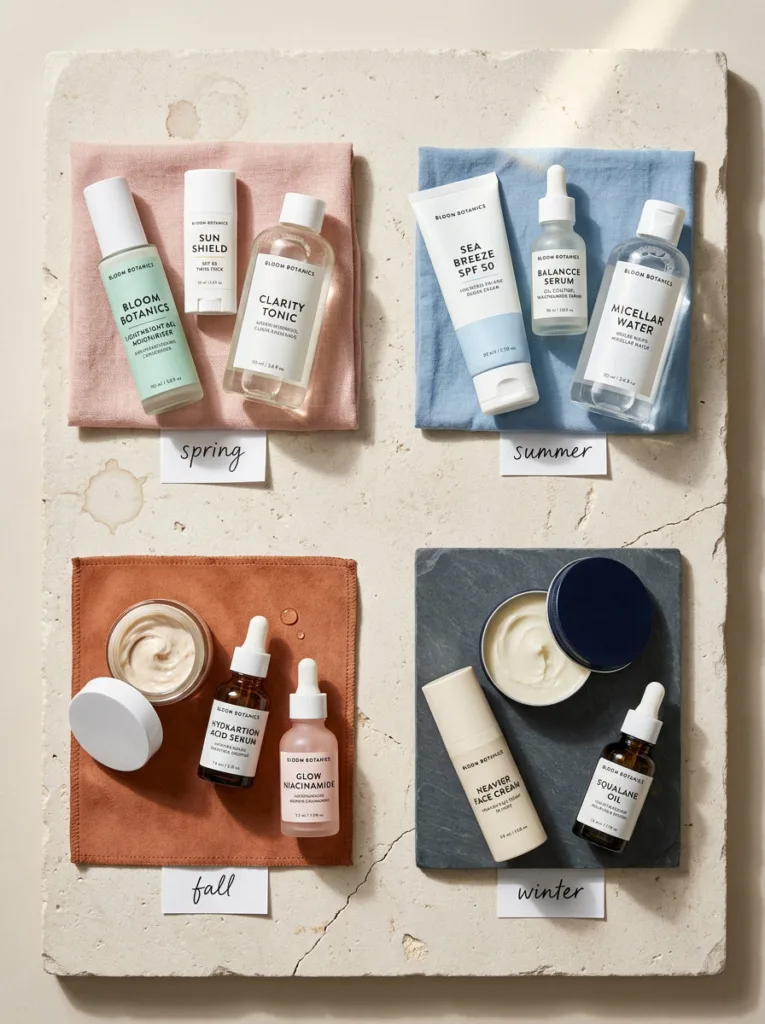
Why Your Skin Reacts to Seasonal Changes
Skin does not behave the same way in January as it does in July. Four environmental factors drive most of the change:
- Temperature: Warmer air triggers increased sebum production, leading to shine and clogged pores. Cold air slows oil output but lets moisture escape faster from the skin’s surface.
- Humidity: High summer humidity keeps moisture at the surface, making rich creams feel suffocating. Low winter humidity accelerates transepidermal water loss (TEWL), which is why skin feels tight and dry in cold weather.
- UV exposure: The UV index climbs in spring and summer, meaning sun damage accumulates faster even on overcast days.
- Skin barrier function: Cold wind, indoor heating, and intense heat all weaken the skin barrier, making skin more reactive to products it once handled without issue.
Signs It’s Time to Transition Your Skincare Routine
Most people wait until their skin visibly reacts before adjusting anything. By then, the barrier is already stressed and harder to calm. Watch for these signs instead:
- Your moisturizer feels greasy or heavy by midday: Your skin no longer needs that much occlusion. Lighten it.
- Skin feels tight or uncomfortable after cleansing: The environment has shifted to drier. Your cleanser or moisturizer is not keeping up.
- A product that worked fine starts stinging or causing redness: Your skin barrier is compromised. Simplify and reduce actives before adding anything new.
- Breakouts appear in new places: Congestion in the T-zone during spring often signals that winter products are too heavy for the warming weather.
- Skin looks dull or congested despite consistent cleansing: Buildup has accumulated. Gentle exfoliation is probably overdue.
- Oiliness peaks earlier in the day than usual: Warmer temperatures are increasing sebum production. Switch to lighter product layers.
None of these require a full routine overhaul. Each is a cue to change one step, starting with whichever sign you recognize first.
How to Transition Your Skincare Routine for Spring
Spring is tricky. Your skin is coming out of a drier winter phase but slowly shifting toward warmer, oilier conditions. The goal is a gradual lighten-up, not a full product swap overnight.
Lighten Your Moisturizer
Winter moisturizers tend to be thick, occlusive creams designed to lock in moisture against cold air. As temperatures rise, those same formulas can start to feel heavy and may contribute to clogged pores as sebum production picks back up.
Switch to a gel-based moisturizer or lightweight lotion. Look for formulas with hyaluronic acid or glycerin rather than heavy emollients like petrolatum or shea butter. If skin still feels dry in spots, layer a light hyaluronic acid serum underneath a lighter moisturizer rather than going back to a thick cream.
Reintroduce Exfoliation Carefully
Winter skin accumulates buildup. Dead skin cells pile up faster when the barrier is stressed and product layers are heavier. Spring is the right time to bring chemical exfoliation back in, but go slowly.
Start with a low-percentage AHA like 5% lactic acid once a week. Do not jump to daily exfoliation or high-strength acids. Your skin’s barrier has been under winter stress and may be more sensitive than usual. Give it two to three weeks before increasing frequency.
Upgrade Sun Protection Early
Most people wait until summer to think about sunscreen, and that is a mistake. The UV index starts climbing in early spring, well before temperatures feel warm.
Tip: If you used a moisturizer with SPF in winter, spring is the right time to make sunscreen its own separate step. A dedicated SPF 30 or higher gives more consistent protection than an SPF blended into a cream.
Spring transition checklist:
- Swap thick cream for a gel or lightweight lotion
- Start 5% lactic acid once a week
- Add a standalone SPF 30+ to your morning routine
- Wait 2–3 weeks before making another change
Adjusting Your Skincare Routine for Summer
Summer brings the biggest shift. Heat, sweat, and high UV exposure all compound, and heavy products make each of those problems worse.
Switch to Lightweight Formulas
Cleansers, moisturizers, and serums should all feel lighter in summer:
- Replace heavy night creams with a niacinamide serum or aloe vera gel moisturizer
- Use a foaming cleanser or micellar water in the morning to remove sweat and sunscreen residue
- Resist skipping moisturizer just because skin feels oily. Dehydrated skin produces more oil to compensate, not less.
Tip: Oily and dehydrated are not the same thing. Skin that lacks water overproduces oil. A lightweight, oil-free moisturizer helps control shine over time.
Make SPF Non-Negotiable
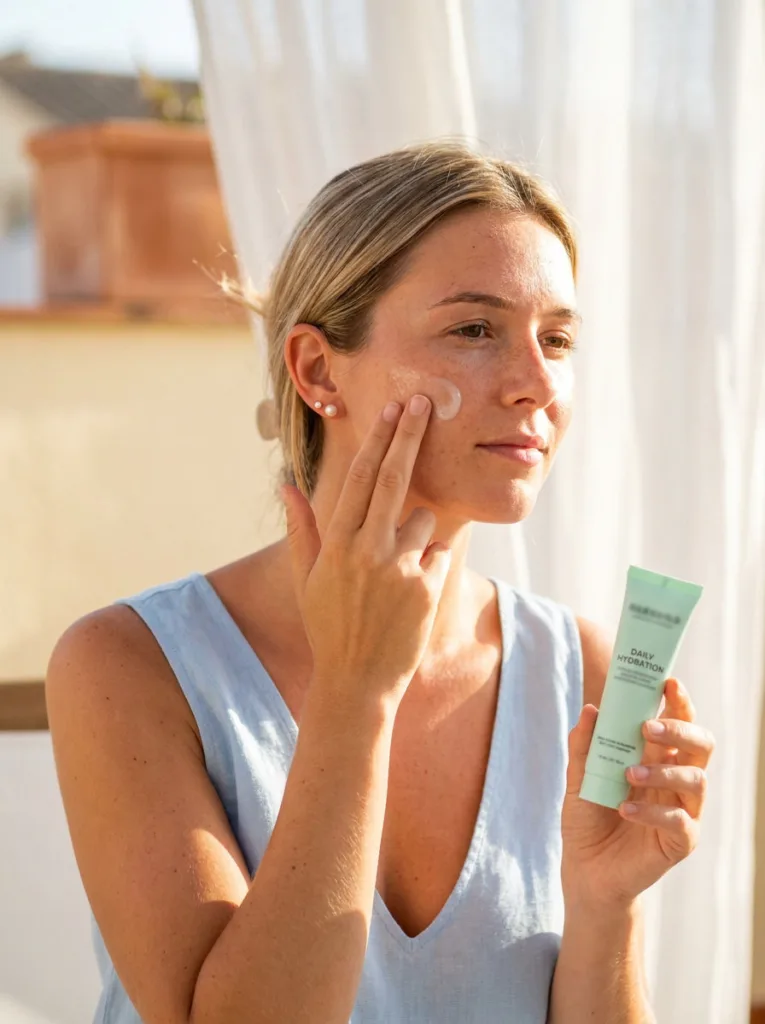
Broad-spectrum SPF 50 is the summer non-negotiable. Reapply every two hours outdoors.
- Sensitive skin: Mineral sunscreens with zinc oxide or titanium dioxide
- Under makeup: Chemical sunscreens tend to feel lighter and layer better
Choose a formula you will wear every day. Consistency matters more than the SPF number. For a full breakdown of options, read our guide to daily sun protection.
Summer transition checklist:
- Switch to gel or water-based moisturizer
- Move to a lighter AM cleanser
- Apply SPF 50 every morning and reapply at midday
- Swap heavy serums for niacinamide or aloe-based formulas
Fall Skincare Transition Tips
Fall sneaks up on skin. One week feels like summer; the next, the air is dry and skin feels tight and dry. Do not wait for your skin to react. Start adjusting at the first sign of cooler temperatures.
Rebuild Your Skin Barrier
Summer sun exposure wears down skin barrier function by the time fall arrives. The three key building blocks of a healthy barrier are ceramides, fatty acids, and cholesterol. Check the ingredient label for all three.
Swap your lightweight summer moisturizer for a medium-weight lotion or cream. You do not need to jump straight to your heaviest winter formula. Start layering and assess how skin responds over two to three weeks.
Reduce exfoliation frequency back to once a week. Skin is more reactive during transition periods, and over-exfoliating in fall creates sensitivity that makes the coming winter even harder.
Bring Back Hydrating Serums
A hyaluronic acid serum applied to slightly damp skin before moisturizer makes a noticeable difference in fall and winter comfort. Apply it while your face is still a little damp from cleansing, then layer moisturizer on top to seal it in.
Niacinamide is another fall-friendly ingredient. It supports the skin barrier, reduces redness, and helps manage oil changes as seasons shift. It pairs well with almost everything else in your routine.
Tip: Apply hyaluronic acid to damp skin, not dry skin. On dry skin in low-humidity environments, HA can actually pull moisture out of the deeper skin layers and make dryness worse.
Fall transition checklist:
- Upgrade to a medium-weight moisturizer with ceramides
- Add a hyaluronic acid serum to your routine
- Cut exfoliation back to once a week
- Do not introduce any new active ingredients during this period
Winter Skincare Transition Guide
Winter is the hardest season for skin. Indoor heating is often more drying than cold outdoor air. It pulls humidity from the air inside your home around the clock, and your skin feels it from the moment you turn the heat on.
Upgrade to a Richer Moisturizer
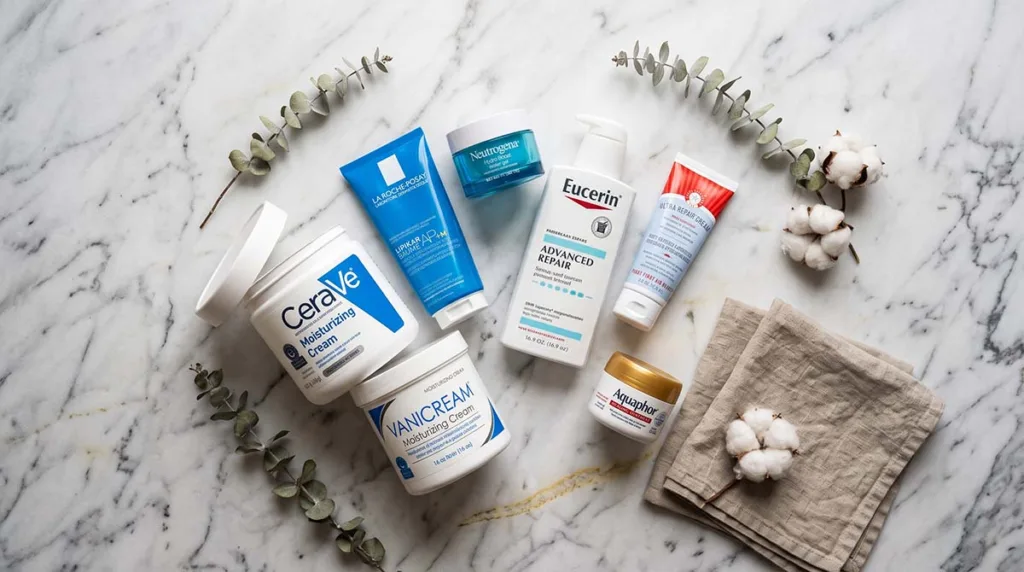
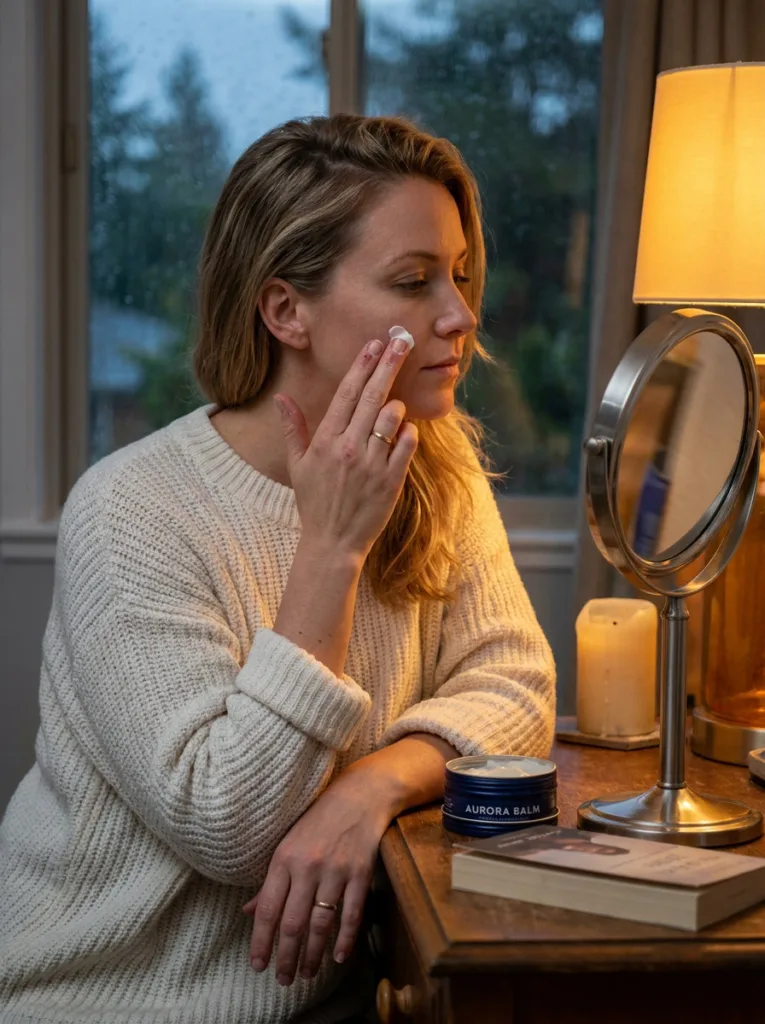
This is the one time of year when a thicker cream earns its place. Look for occlusive ingredients like petrolatum, squalane, or shea butter. These sit on top of skin and slow the moisture evaporation that causes winter tightness and flaking. Our guide to best moisturizers for winter covers the top options by skin type and budget.
Two rules that make a real difference:
- Apply moisturizer within 60 seconds of cleansing. This is the damp-skin rule. It improves how well products absorb and retain moisture.
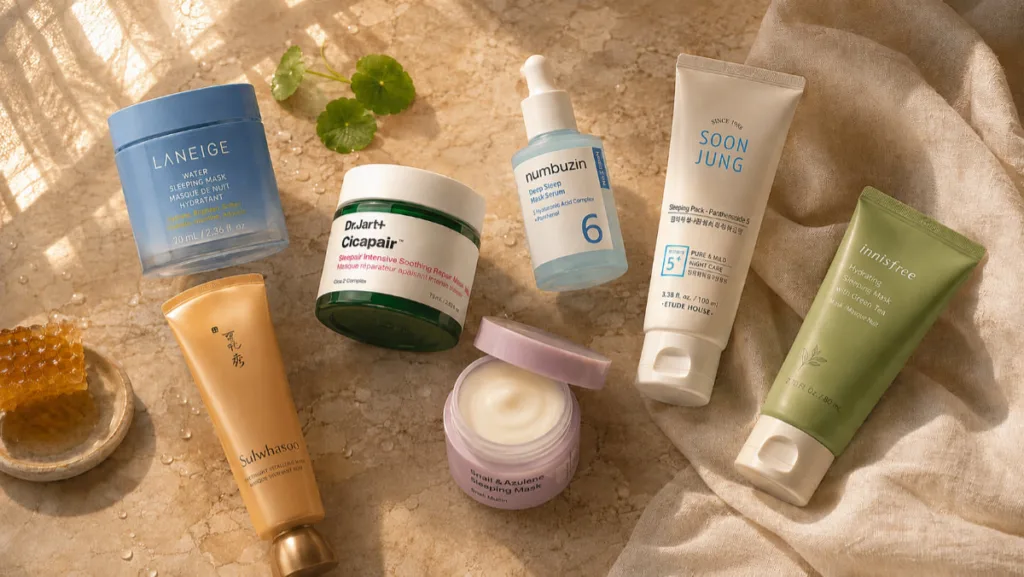
- Use a sleeping mask or facial oil as the final step at night. Layering a thin oil over your moisturizer gives skin sustained hydration through hours of indoor heating.
Tip: A bedroom humidifier set to 40–50% humidity is one of the most underrated winter skincare tools. It reduces overnight moisture loss without changing a single product in your routine.
Dial Back Strong Active Ingredients
Retinol, glycolic acid, and benzoyl peroxide work well in warmer months when skin is resilient. In winter, using these at full strength on an already-stressed barrier leads to flaking, redness, and irritation. It looks like a product reaction. It is barrier disruption from pushing actives too hard in a compromised state.
Adjust like this:
| Active Ingredient | Warmer Months | Winter Adjustment |
| Retinol | 3 nights per week | Reduce to 1–2 nights |
| Glycolic acid toner | 2–3x per week | Swap for PHA (gentler barrier impact) |
| Benzoyl peroxide | As needed | Use sparingly; patch treat only |
You do not need to stop activities altogether. Give your skin more recovery time between uses.
Winter transition checklist:
- Switch to a rich cream with petrolatum, squalane, or shea butter
- Apply moisturizer within 60 seconds of cleansing
- Reduce retinol to 1–2 nights per week
- Swap glycolic acid for a PHA exfoliant
- Add a humidifier to your bedroom
How to Adjust for Your Skin Type
The same season creates different problems depending on how your skin naturally behaves. Here is what each skin type should prioritize:
| Skin Type | Spring | Summer | Fall | Winter |
| Dry | Lighten slowly, one layer at a time | Use lightweight hydrating formulas; never skip moisturizer | Add ceramide cream early, before dryness starts | Go richest earliest; sleeping mask every night |
| Oily | Switch to gel moisturizer as soon as skin feels heavy | Oil-control focus; non-comedogenic SPF is non-negotiable | Watch for hidden dehydration under surface oiliness | Avoid harsh cleansers. They strip oil and trigger rebound shine. |
| Combination | Adjust T-zone and cheeks separately | Lighter on T-zone, maintain cheek hydration | Ceramide cream on dry areas; gel or serum on oily zones | Layered approach: richer on cheeks, lighter on forehead and nose |
| Sensitive | Slowest transitions; patch test every swap | Fragrance-free mineral SPF essential; avoid new actives | Skip new activities entirely during transition weeks | Barrier-first priority: pull back retinol and acids more aggressively than other skin types |
A few patterns worth noting:
- Oily skin is not immune to winter dryness. It can be oily on the surface and dehydrated underneath at the same time. A lightweight gel moisturizer still belongs in a winter routine for oily skin.
- Dry skin needs to move into richer products earlier in fall than other types. Do not wait until it is visibly flaking to act.
- Sensitive skin needs the most gradual transitions. Change one product, wait three weeks, then reassess. Rushing a seasonal swap is the fastest route to irritation for reactive skin.
How to Manage Active Ingredients During Transitions
Active ingredients are where most people get it wrong when seasons change. They work by causing controlled cellular turnover, and that process needs a healthy barrier to avoid side effects.
Retinol and Chemical Exfoliants
During seasonal transitions, specifically fall to winter and winter to spring, treat your skin as slightly sensitized, even if it does not feel that way yet.
- Reduce retinol by one use per week
- Drop AHA exfoliants from twice a week to once
- Wait three full weeks before reassessing
- If skin stays calm, gradually return to your previous schedule
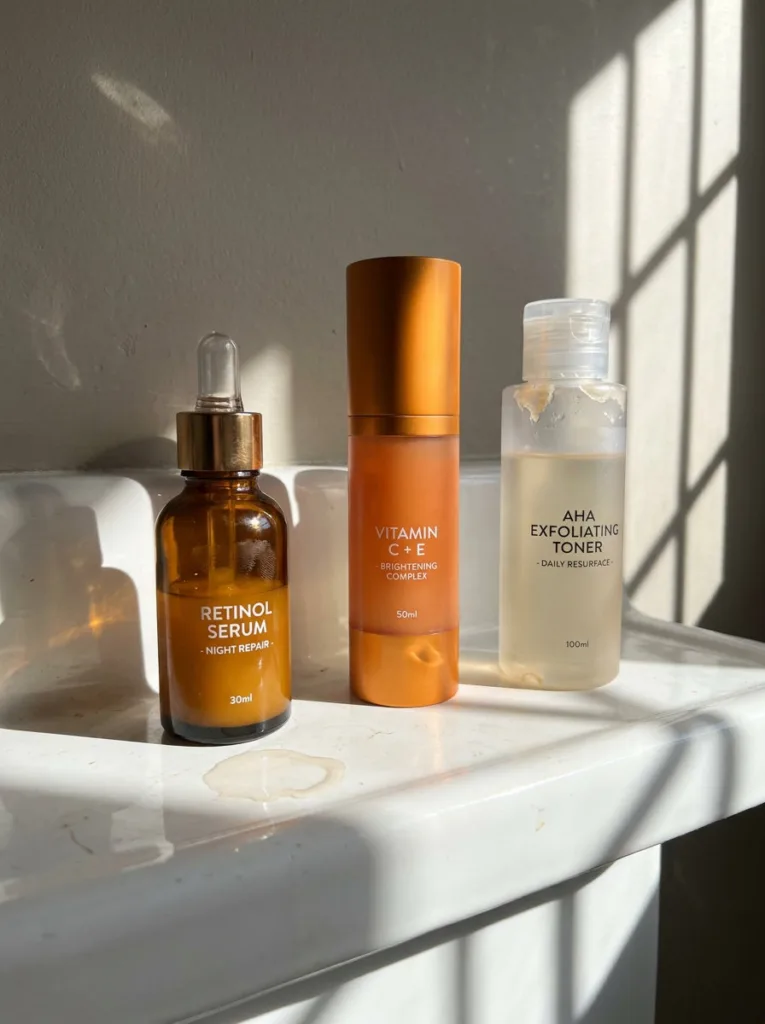
Never introduce a new active during a transition period. Adding vitamin A, benzoyl peroxide, or a new acid while the barrier is already adapting to a new climate multiplies the risk of irritation. If you are new to retinoids, our guide to how retinol works on skin explains where to start.
Vitamin C Serums
Vitamin C (specifically L-ascorbic acid) is a potent antioxidant that brightens skin and protects against UV damage. It works best in spring and summer, when daily sun exposure makes its protective role most relevant.
In winter, skin tolerates high-concentration vitamin C less well when the barrier is compromised. If you notice stinging or redness in colder months, try a gentler derivative:
- Ascorbyl glucoside: stable, less irritating, still brightening
- Sodium ascorbyl phosphate: well-tolerated by sensitive and stressed skin
AM vs. PM: Which Seasonal Changes Apply When
Not all seasonal adjustments apply to both parts of your routine. Morning and evening routines serve different purposes: protection in the morning and repair at night. Seasonal changes affect each one differently.
| Routine Step | Morning | Evening |
| Cleanser | Light or gentle: micellar water or low-foam formula, especially in winter when over-cleansing worsens dryness | Full cleanse to remove SPF, makeup, sweat, and daytime buildup |
| Serum | Vitamin C or antioxidant serums (spring and summer, when UV protection matters most) | Retinol, niacinamide, hyaluronic acid, or chemical exfoliants |
| Moisturizer | Lighter formula in summer; medium-weight the rest of the year | Always richer than your AM formula; in winter, layer a facial oil or sleeping mask on top |
| SPF | Every single morning, year-round. This step does not move. | Never. Sunscreen at night serves no purpose and can clog pores. |
| Active ingredients | Antioxidants and brighteners (vitamin C) | Retinoids, AHAs, PHAs, and barrier-repairing actives |
Three practical rules for AM/PM seasonal adjustments:
- SPF is always AM-only. When you switch to a heavier winter moisturizer at night, keep your morning moisturizer lighter so your SPF layers properly on top.
- Actives belong in PM during transitions. When you cut retinol or exfoliant frequency in winter, cut the evening uses. That is where those actives belong anyway.
- Your AM cleanser is the first thing to lighten in summer and the last to enrich in winter. Cleanser has less impact on your barrier than moisturizers and actives, so adjust it conservatively.
Common Mistakes When Switching Skincare Routines
These four errors cause most problems when making a skincare routine change.
1. Changing everything at once: If you swap your cleanser, moisturizer, serum, and SPF at the start of a new season and your skin reacts, you have no idea which product is responsible. Change one product at a time and wait at least two weeks between additions.
2. Skipping moisturizer in summer: Skin that feels oily is not necessarily hydrated. Dehydrated skin lacks water and produces more oil to compensate. A lightweight, oil-free moisturizer helps reduce shine over time.
3. Forgetting sunscreen in fall and winter UV radiation does not stop when temperatures drop. On snowy days, UV reflects off surfaces and increases exposure. Daily SPF is a year-round habit.
4. Over-exfoliating in spring: Exfoliating more aggressively to clear winter buildup leads to a compromised barrier and a longer recovery. More exfoliation does not mean faster results.
Frequently Asked Questions
How often should I change my skincare routine?
Reassess your seasonal skincare routine every 3 months as conditions shift. You do not need to rebuild it entirely. Adjust one or two products to match current temperature and humidity levels.
Can I use the same cleanser year-round?
Yes. A gentle, sulfate-free cleanser works across all seasons. Focus seasonal adjustments on moisturizers, serums, and active ingredient frequency rather than your cleanser.
Why does my skin break out when seasons change?
Seasonal breakouts happen because sebum production shifts with temperature. Pores can become congested when winter products feel too heavy in spring heat, or when summer habits leave skin under-moisturized going into fall.
Should one use a humidifier in winter?
Yes. A bedroom humidifier set to 40–50% humidity reduces moisture loss overnight in heated indoor air. It is one of the most underrated winter skincare habits available.
Conclusion
Transitioning your skincare routine does not require a seasonal overhaul. Make one change, give your skin two to three weeks to adjust, then move to the next. Start with your moisturizer. Keep sunscreen on all year. Pull back on actives when the weather shifts. Pick the season you are heading into right now and make one swap today.
For more skincare tips, please visit VelvetBoard.