12 Hair Care Tips for Healthy Long Hair That Actually Work
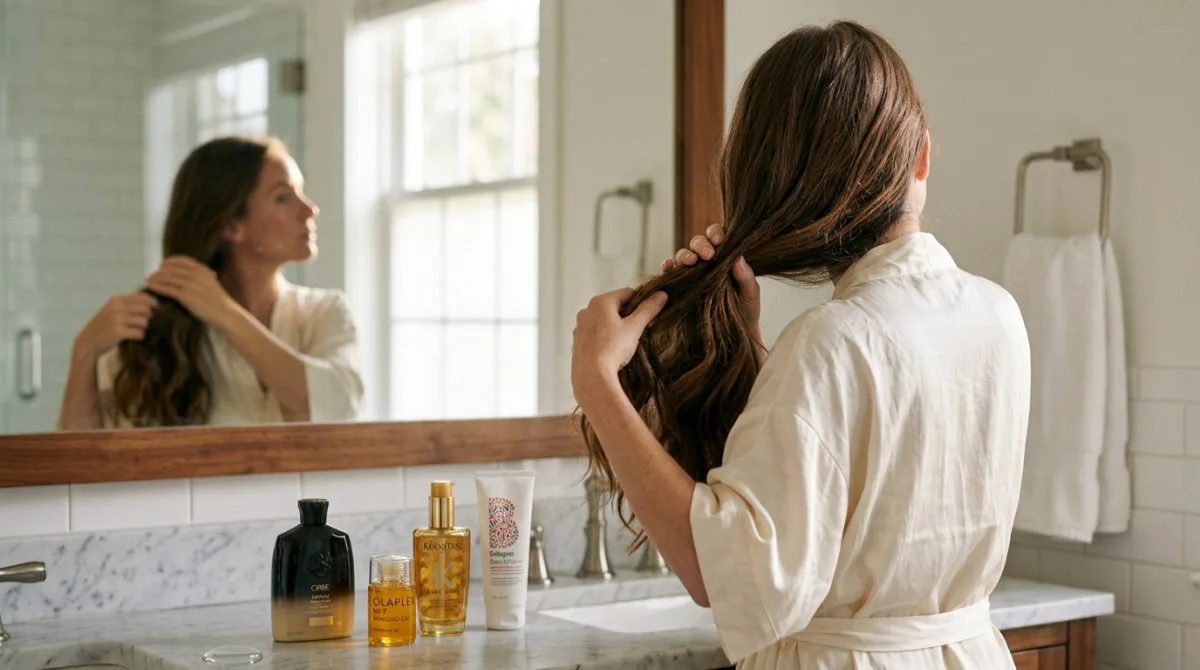
Ever wonder why your hair stalls out at the same length, no matter what you try? Long hair doesn’t actually stop growing. It breaks, quietly, at the ends, long before you notice the difference in the mirror.
Building healthy long hair takes more than a good shampoo. It takes a routine you’ll actually stick to. These 12 hair care tips for healthy long hair cover daily habits, weekly treatments, nighttime protection, and monthly maintenance, all in one place.
Scan the table below, save it, and start with just one habit today.
Why Hair Care Tips for Healthy Long Hair Actually Matter
Long hair is old hair, and that’s easy to forget. Those ends have survived years of brushing, heat, and weather, so they need more care than the fresh growth near your scalp. Most tips for growing healthy hair focus on growth alone, but retention matters just as much. If speed is what you’re really after, our guide on how to grow hair faster covers that side of things directly.
Think about it this way. Hair grows roughly half an inch a month, so hair that reaches your waist could be five or six years old at the very tip. That’s a lot of wear for one strand to survive.
A 2019 study on scalp massage backs this up. Nearly 69% of people who massaged their scalp daily for several months saw regrowth or less shedding. One data point, but it says a lot. Scalp health drives length retention just as much as the strands themselves do.
Older hair also loses some natural protection along the way. The outer layer, called the cuticle, thins out with every wash and every brush stroke. Once it wears down, moisture escapes faster. Breakage follows soon after. Length retention isn’t only about growing more hair. It’s about protecting the hair you already have.
Daily Hair Care Habits for Length Retention
Small choices, repeated daily, add up fast. These four habits barely take five minutes. But they matter more than almost anything else on this list.
1. Eat Enough Protein Every Day

Hair is basically keratin, a protein through and through. Skimp on protein and your body pulls it from your hair follicles before anywhere else. Add eggs, fish, lentils, or Greek yogurt to your plate. A palm-sized portion at each meal is enough to keep strands strong.
2. Brush the Right Way, Not Too Often

Overbrushing stresses your scalp. It snaps strands mid-shaft, too. Stick to twice a day, morning and night. Always start at the ends. Work your way up. Simple as that, and it cuts down on breakage fast.
3. Apply a Lightweight Hair Oil to the Ends
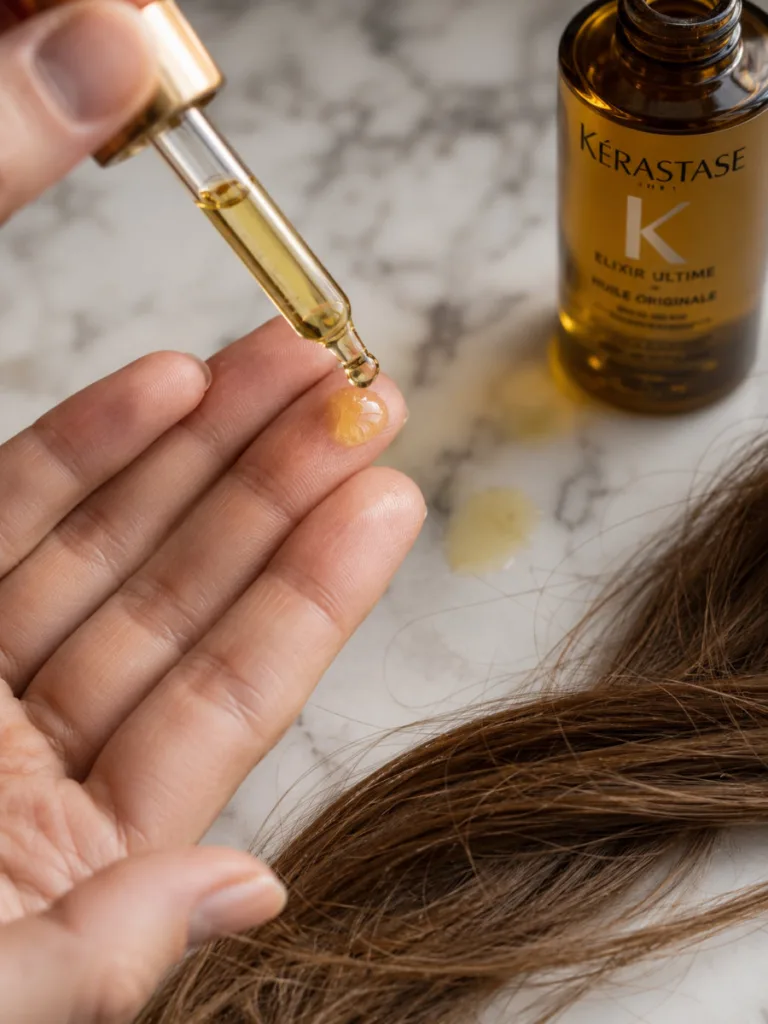
One pump of a lightweight oil, like argan or jojoba, goes a long way. Smooth it into your mid-lengths and ends. Morning or night works as long as the hair is dry or towel-dried. Skip the roots, though. Nobody wants a greasy scalp. Not sure which oil or conditioner to reach for? Our roundup of hair care products worth trying is a good place to start.
4. Drink Enough Water Every Day

Dry, dull, brittle ends often start with dehydration, not product buildup. Water carries zinc, iron, and other minerals straight to your scalp, where your follicles actually need them. Aim for two liters a day, more if it’s hot out or you’re active.
Weekly Hair Care Routine for Long, Healthy Strands
Daily habits only go so far. Some damage needs a weekly reset, and these three steps are the backbone of any long hair care routine that actually holds up over time. Pick one day and stick to it, so these steps become second nature.
5. Deep Condition Once a Week

Swap your regular conditioner for a deep conditioning mask just once a week. It goes deeper than daily conditioner ever can. Leave it on for 10 to 15 minutes, wrapped in a warm towel. That warmth helps it sink in.
6. Give Yourself a Weekly Scalp Massage

Five minutes. That’s all it takes. Use your fingertips, not your nails. This boosts blood flow and clears out buildup that can choke off growth. Pair it with a warm oil treatment for even better results.
7. Limit Heat Styling Tools
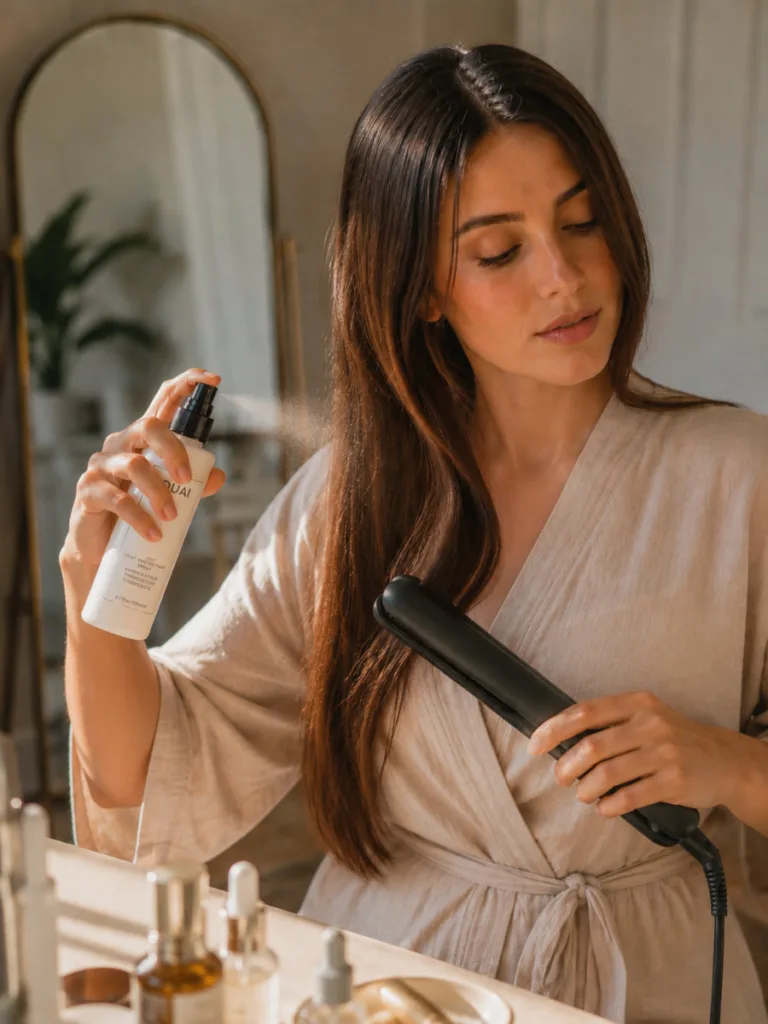
Flat irons and curling wands run hot enough to break down keratin in seconds. Keep heat styling to two or three times a week, max. Always use a heat protectant first. And go easy on the temperature dial. Most hair types style just fine under 350 degrees, so there’s rarely a reason to push higher.
Nighttime Habits That Protect Long Hair
What you do while asleep matters just as much as your shower routine. Friction and tight styles overnight cause damage you won’t notice until it’s done. And it adds up fast. Eight hours a night, every night, is a lot of quiet friction on one strand of hair.
One more thing worth mentioning: dry your hair fully before bed if you can. Wet hair is weaker, and sleeping on damp strands multiplies the friction problem. If you shower at night, give your hair time to air dry or use a low heat setting before you climb into bed.
8. Sleep on a Silk or Satin Pillowcase

Cotton pulls moisture right out of your hair. It also creates friction, which means tangles. A silk pillowcase solves both problems. Wash it weekly so it keeps working the way it should.
9. Braid or Loosely Tie Hair Before Bed
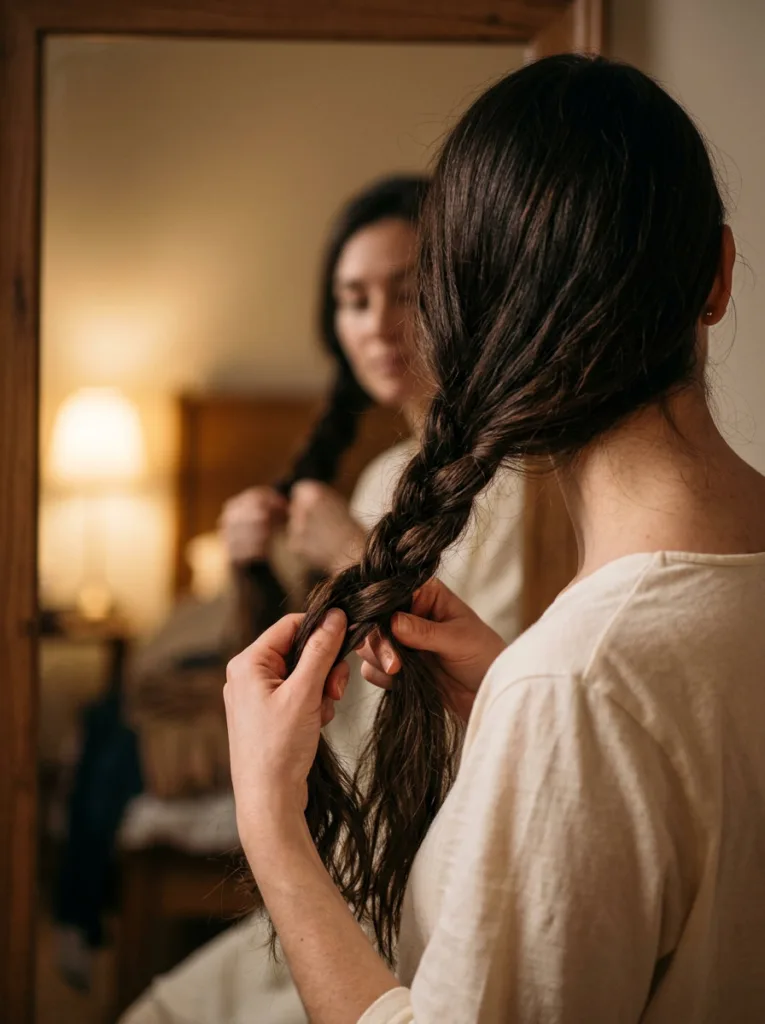
A loose braid, or a low ponytail, keeps hair from tangling against your sheets all night. Skip tight elastics. They stress the roots. Silk scrunchies grip gently without the pulling.
Monthly and Ongoing Hair Care Maintenance
Some habits only need a monthly check-in, and it’s tempting to let them slide when nothing looks wrong yet. Skip them anyway, and weeks of good daily care can unravel fast.
10. Get Regular Trims
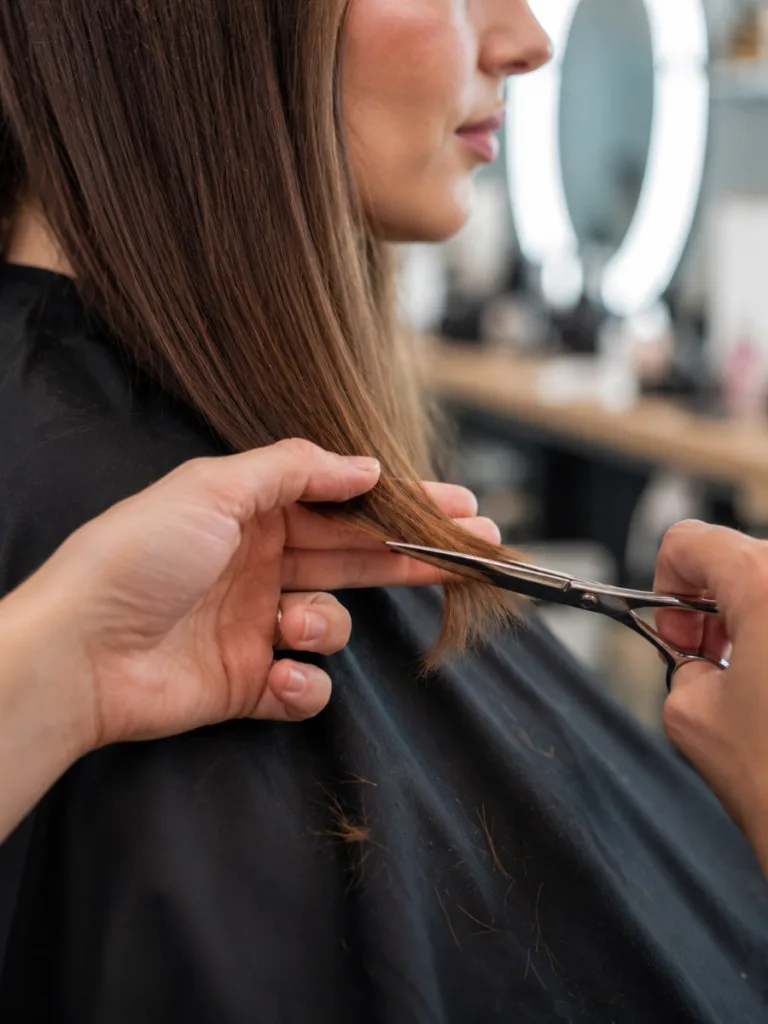
Split ends don’t heal, no matter what a product label promises. Left alone, they travel up the shaft and cause more damage the longer you wait. Book a trim every six to eight weeks, even while you’re growing your hair out. It feels counterintuitive to cut hair you’re trying to grow, but a trim removes damage, not progress.
11. Check for Vitamin Deficiencies

Shedding that won’t quit, or growth that’s stalled? It might trace back to a deficiency in the following:
- Biotin
- Iron
- Vitamin D
- Zinc
A simple blood panel from your doctor settles the question. Better than guessing, and cheaper than buying every supplement on the shelf.
12. Clean Your Hair Brushes and Tools
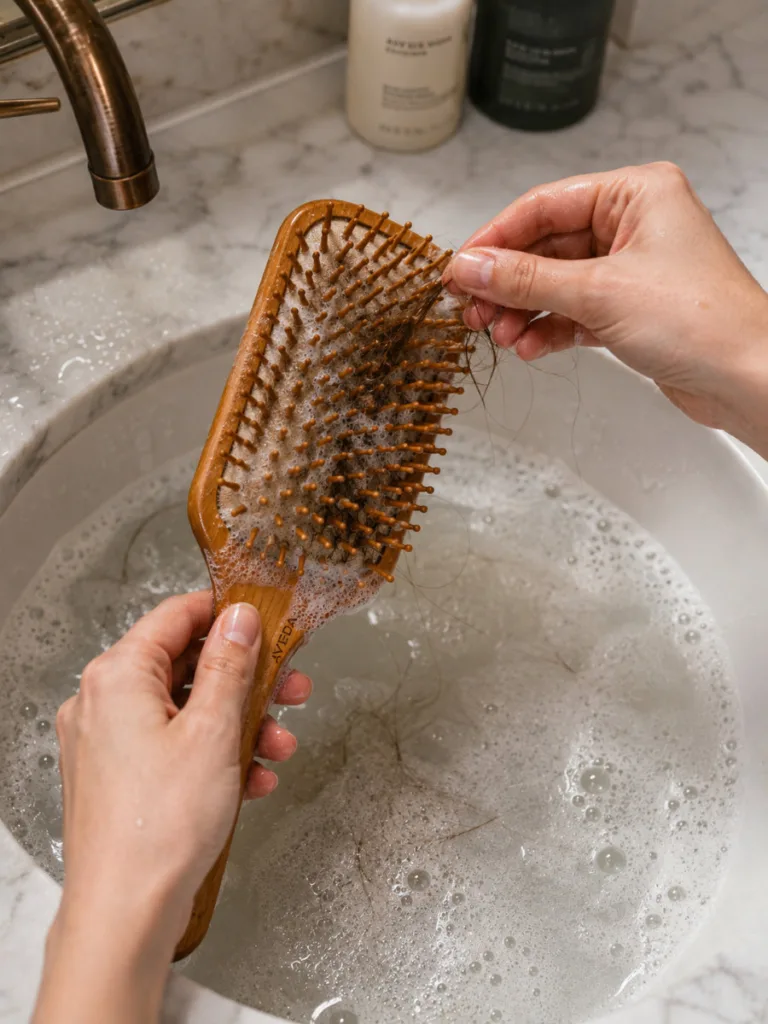
Your brush collects oil, dead skin, and product residue. All of that ends up back on clean hair. Wash brushes every two weeks with shampoo and warm water. Let them air dry fully before the next use.
The Hidden Link Between Stress and Hair Health
Here’s one nobody talks about enough. Chronic stress can push hair follicles into an early resting phase, called telogen effluvium. It usually shows up two to three months after the stressful event. That delay makes the cause easy to miss.

Picture a stressful month at work, or a big life change. Your hair doesn’t react right away. It waits. Then, weeks later, you notice more strands in the shower drain or on your pillow. By then, most people have already forgotten what triggered it in the first place.
Hair usually bounces back once stress levels settle, though it takes patience. Regrowth is measured in months, not weeks.
Regular sleep, movement, and even short breathing breaks during the day help lower cortisol, and lower cortisol means fewer follicles get pushed into that resting phase to begin with. It’s not a quick fix, but lowering stress tends to pay off well beyond your hair.
Common Long Hair Mistakes to Avoid
Some habits quietly undo all your progress, even when everything else is dialed in. They’re easy to miss, too, because most of them feel harmless in the moment. For a deeper look at what else might be working against you, see our full breakdown of hair habits that damage your hair. For now, watch out for these four in particular:

- Brushing wet hair with a regular brush. Wet strands stretch further and snap easier.
- DIY treatments like raw eggs or apple cider vinegar, applied straight to hair. They can strip natural oils, with no proven upside.
- Two-in-one shampoo-conditioner combos. Long hair needs more conditioning than these can deliver.
- Hairstyles pulled too tight at the temples. Over time, that’s a common cause of traction alopecia.
Frequently Asked Questions
How long does it take to notice healthier hair?
Give it four to six weeks. That’s when most people notice softer, less tangled hair. Visible length and thickness changes take longer, closer to three to six months.
Is it bad to wash long hair every day?
For most hair types, yes. Daily washing strips natural oils. Two to three washes a week works better, especially for straight or fine hair.
Do hair vitamins actually work?
Only if you actually have a deficiency. Otherwise, you’re just paying for expensive supplements you don’t need. A blood test tells you for sure.
Can stress really cause hair loss?
Yes, it can. Chronic stress triggers a temporary shedding phase called telogen effluvium. It usually shows up two to three months later.
What is the biggest cause of hair breakage?
Two culprits, mostly: heat styling without a protectant and hairstyles pulled too tight. Both are easy to fix once you know to look for them.
Conclusion
Healthy long hair isn’t about expensive products. It’s about small habits, repeated often enough to matter.
Look back at the 12 tips in this guide. None of them require a salon visit or a miracle serum, just small, repeatable choices: a palm of protein at dinner, a few extra minutes of careful brushing, and a silk pillowcase you might already own.
Pick one from this list today, just one. A daily habit, a weekly treatment, whatever feels doable. Give it two weeks before you judge the results. Hair habits work slowly, but they do work.
Start there, and build from it. Add a second habit next month, then a third. Before long, the whole routine runs on autopilot, and your hair keeps the length it earns. Your hair will thank you, probably sooner than you think.
For more hair care tips, please visit VelvetBoard.