Organic Face Masks: 15 DIY Picks for Glowing Clear Skin
Tired of paying $40 for a face mask that’s basically clay and water? You’re not alone. Most organic face masks on store shelves cost too much, and plenty barely qualify as organic at all.
Your kitchen already holds better ingredients. Honey, oats, avocado, and clay work just as well as anything in a $40 jar, often better. This guide covers 15 DIY face mask recipes you can mix tonight for a few dollars each. You will learn how to match a recipe to your skin type. You will also learn how to apply it correctly and dodge mistakes that waste good ingredients.
Maybe you want a honey oat mask for dry skin. Or perhaps a clay mask for oily skin fits better. Either way, a real answer waits below.
What Makes a Face Mask Truly Organic?
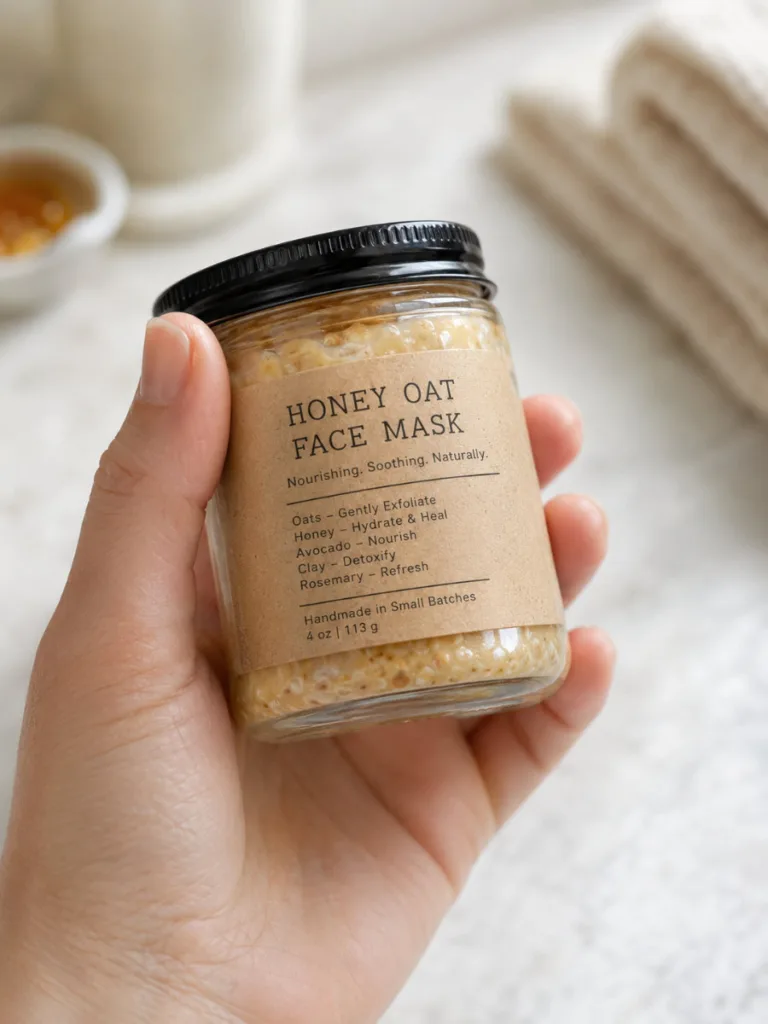
“Organic” gets thrown around loosely in beauty marketing. An organic mask worth trusting skips synthetic pesticides, GMOs, and harsh solvents entirely. Real certification matters more than clever packaging or green-colored labels.
- USDA Organic requires at least 95% certified organic ingredients by weight.
- COSMOS Organic is Europe’s leading standard for organic and natural cosmetics.
- Ecocert verifies ingredient sourcing and manufacturing practices from farm to jar.
- Products marked “natural” can still contain zero certified organic ingredients, so always read the label.
Skip formulas with mineral oil, synthetic fragrance, or parabens near the top of the ingredient list. Those fillers stretch a product cheaply and add no real skin benefit. A 2021 review in the Journal of Cosmetic Dermatology compared plant-based antioxidants against synthetic versions. The natural options performed just as well at reducing oxidative stress. They also carried less irritation risk overall, a real win for reactive skin.
Organic vs Regular Face Masks: What Actually Changes
Conventional masks and clean formulas can look identical in a jar. The real difference sits inside the ingredient list, not the packaging.
Three things change when you go organic:
- Ingredients: Regular masks use synthetic emulsifiers to blend water and oil fast on a factory line. Organic versions use plant-based emulsifiers like lecithin, which cost more but sit gentler on skin.
- Speed of results: Synthetic actives show fast, dramatic effects. Organic actives work more gradually, building results over several weeks instead.
- Cost: A certified organic mask usually costs 20% to 40% more than a drugstore version. That gap closes fast once you switch to DIY recipes made from pantry staples.
Organic Skincare Ingredients to Look For (and Avoid)
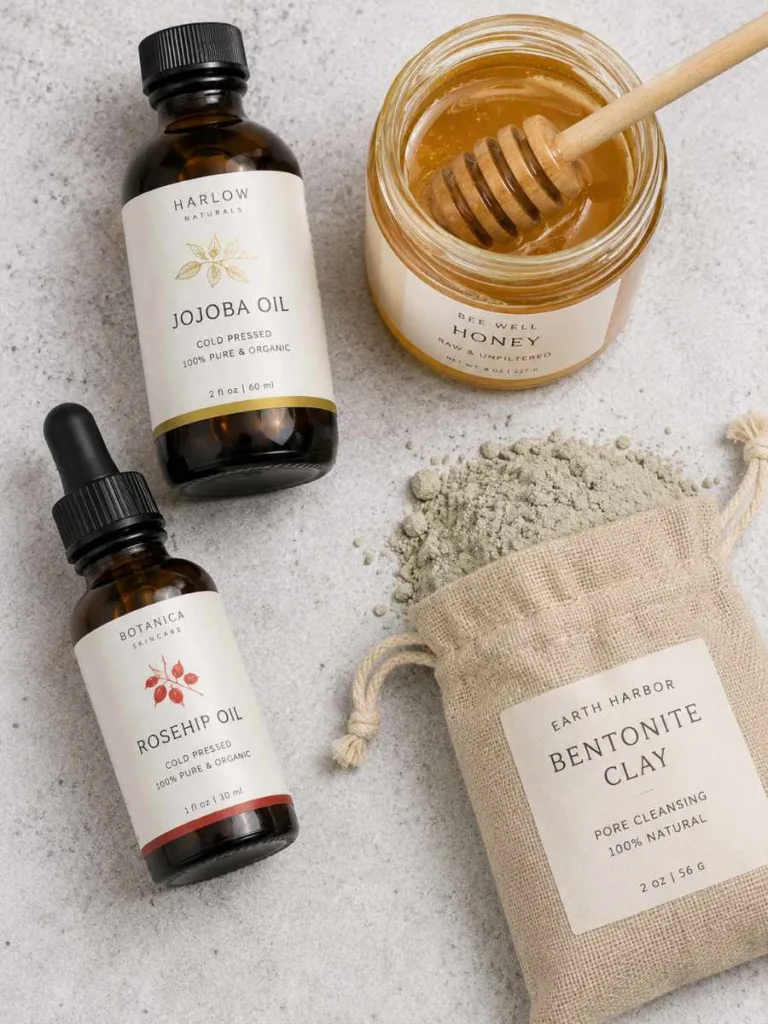
Reading a label takes seconds once you know which organic skincare ingredients belong on it. A short checklist saves you from paying premium prices for a formula that barely qualifies as clean.
Trustworthy ingredients to look for:
- Jojoba oil: mimics your skin’s natural sebum
- Rosehip oil: rich in vitamin A for cell turnover
- Raw honey: natural humectant with antibacterial properties
- Bentonite and kaolin clay: mined minerals needing zero processing
Ingredients to avoid:
- Synthetic dyes: added purely as coloring, no skin benefit
- Phthalates: often hidden inside “fragrance” on a label, disrupt hormones with regular exposure
- Formaldehyde-releasing preservatives: extend shelf life at the cost of irritation in sensitive users
For DIY recipes, choose raw, unfiltered honey over the processed kind, since heat treatment destroys many natural enzymes. Pick cold-pressed oils whenever a recipe calls for jojoba or rosehip oil. Cold pressing skips the heat and solvents cheaper extraction methods use.
How to Pick the Right Mask for Your Skin Type
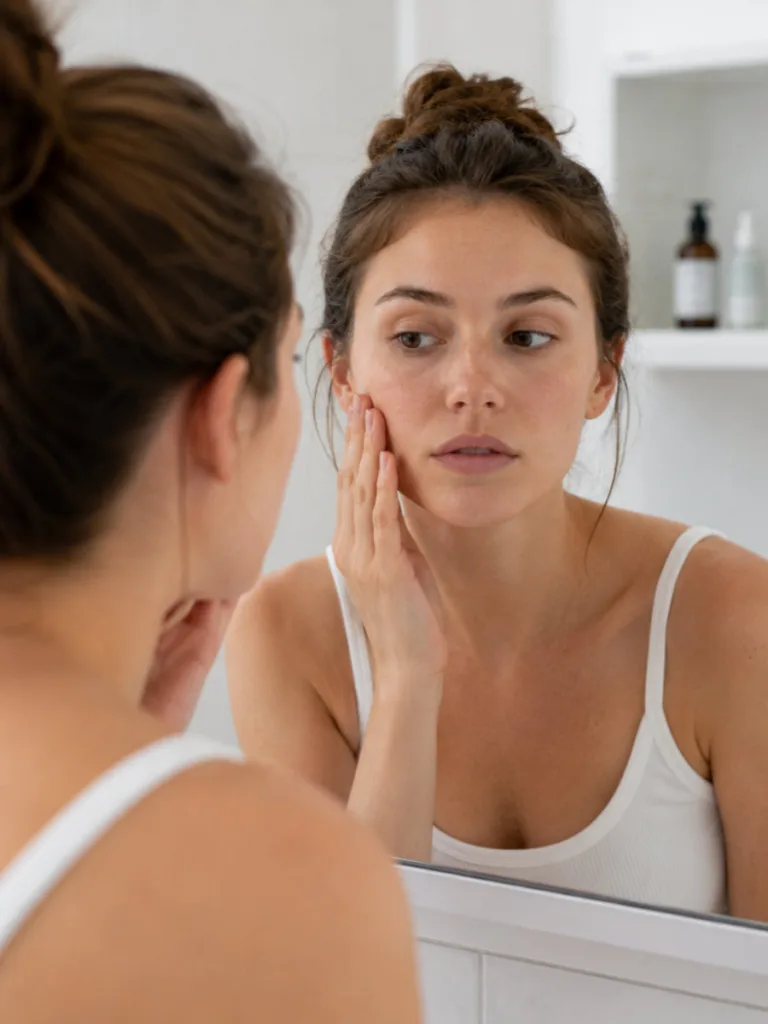
Not every organic mask suits every face. Matching ingredients to your skin type makes the real difference between glowing results and irritation.
Oily and Acne-Prone Skin
Reach for a clay mask made with bentonite or kaolin clay. These minerals pull excess oil and impurities from pores without stripping moisture. Add a few drops of raw honey for its antibacterial properties.
Dry and Flaky Skin
Choose cream-based masks built on avocado oil, shea butter, or oat extract. These ingredients replace lost lipids and calm rough patches within one application. Leave the mask on a full 15 minutes.
Combination Skin
Try a multi-masking approach instead of one formula for your whole face. Apply clay only on the T-zone and a hydrating cream mask on the cheeks. This targets oil and dryness together. It’s the same balancing act covered in these summer skin care tips for oily and combination skin.
Sensitive Skin
Look for fragrance-free formulas built around oatmeal, chamomile, or aloe vera. This calms redness instead of triggering it. Always patch test first, since plant extracts can still cause reactions.
If redness, breakouts, or irritation persist beyond a few weeks despite gentle organic products, see a dermatologist. Persistent issues sometimes point to an underlying skin condition that ingredients alone cannot fix.
15 Organic Face Masks Worth Trying
Every organic face mask recipe below uses two or three simple ingredients you can find at a grocery store or health food shop. Each pick targets a specific skin concern, and every recipe costs just a few dollars to make.
1. Honey Oat Mask
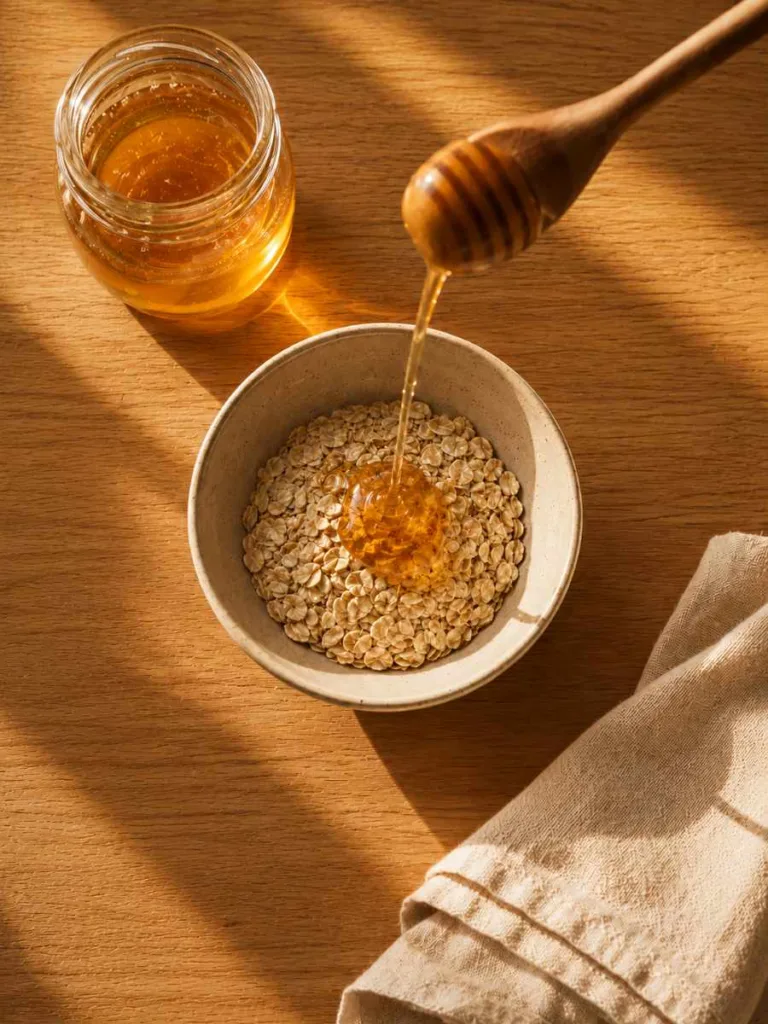
Best for: Dry, flaky skin | Time: 10 minutes
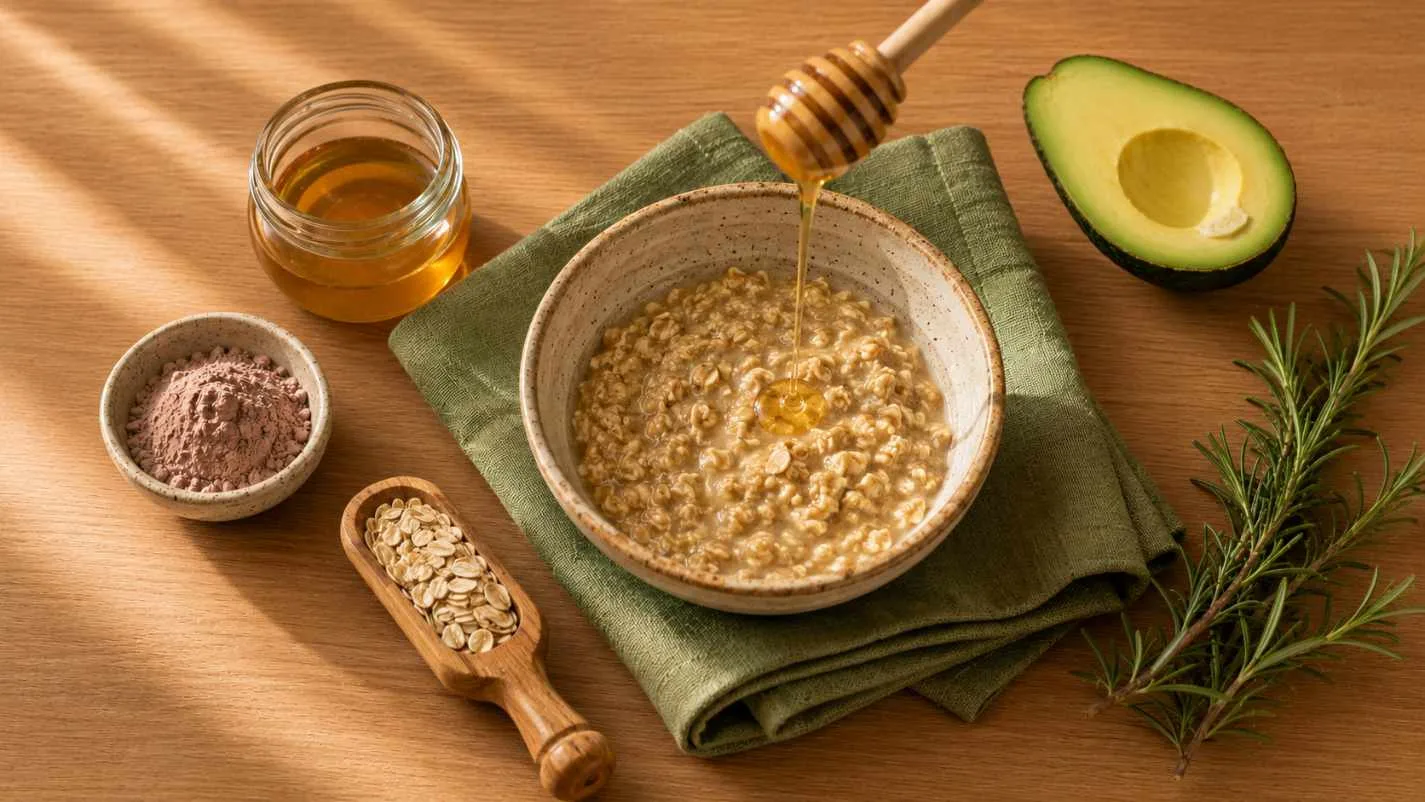
Blend one tablespoon raw honey with two tablespoons ground oats and warm water. Honey pulls moisture straight from the air into your skin. Oats calm the itching almost right away. Mix it fresh each time. Don’t store leftovers, since honey and oats spoil fast once wet. Leave it on for ten minutes, then rinse with lukewarm water. Your face should feel soft, not tight, right after.
2. Turmeric Yogurt Mask
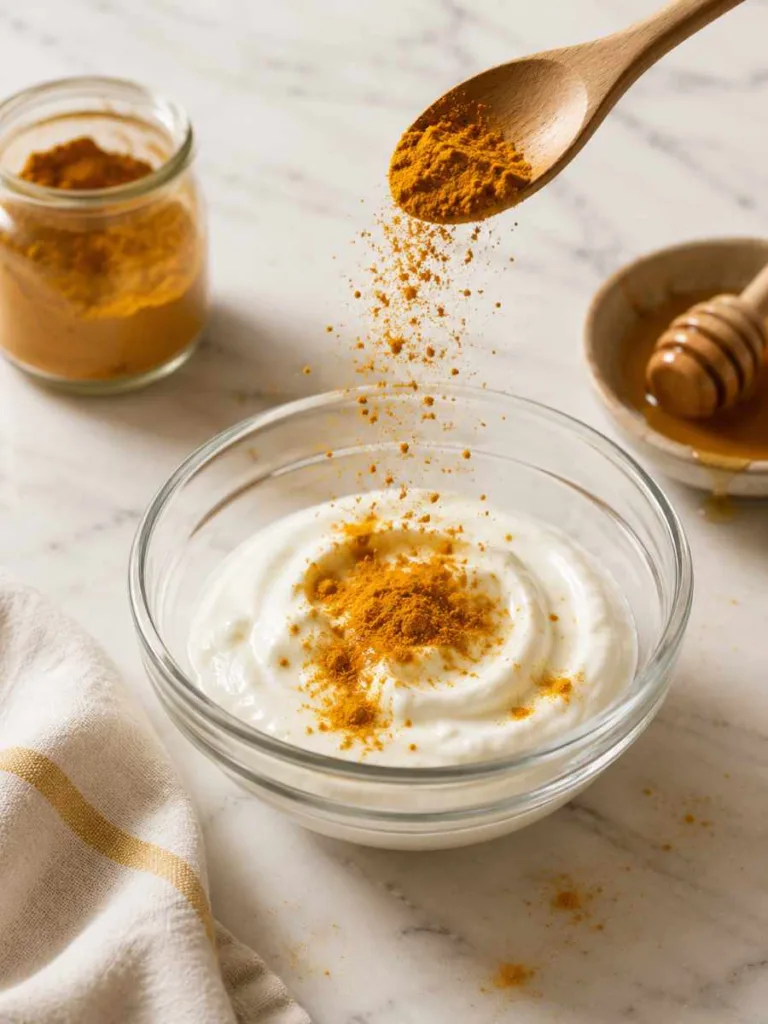
Best for: Dark spots, dull tone | Time: 10 minutes
Mix a half teaspoon turmeric with two tablespoons plain yogurt. Lactic acid brightens tone while turmeric fades dark spots gradually. People have used turmeric in skincare for centuries. Modern research backs up its anti-inflammatory reputation too. Yogurt adds a gentle exfoliating boost on top of that. Go easy on the turmeric, though. A little goes a long way. Too much can leave a yellow tint on your skin for a day or two. Rinse well and pat dry instead of rubbing.
3. Bentonite Clay Mask
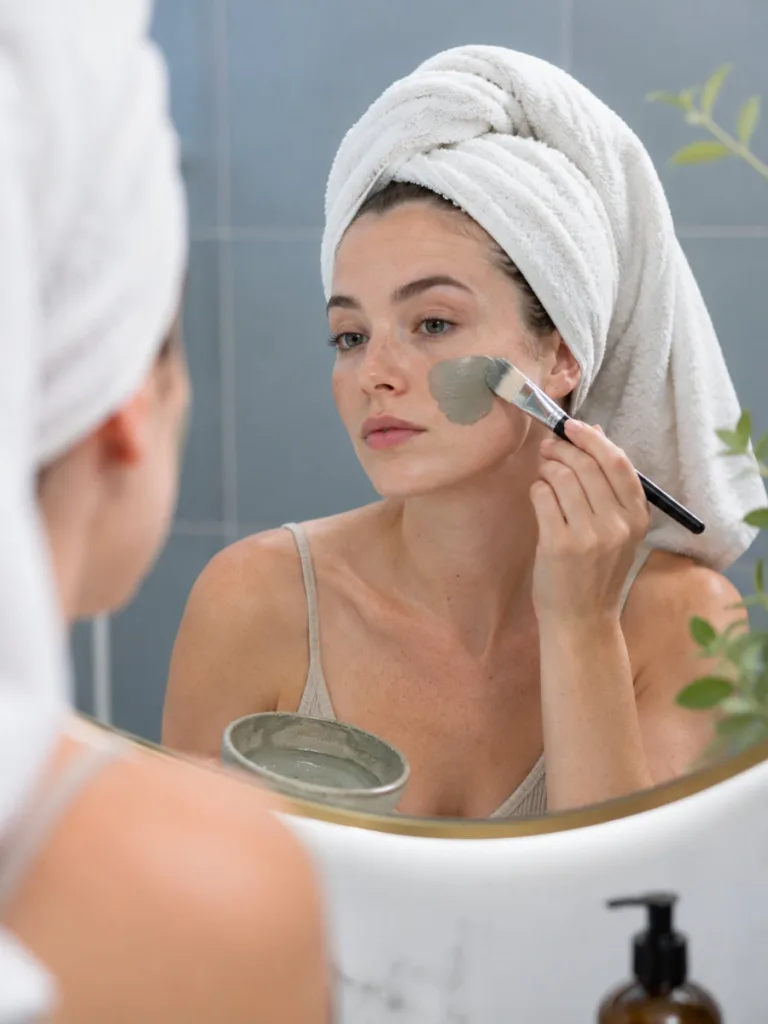
Best for: Oily, congested skin | Time: 5 to 10 minutes
Combine bentonite clay powder with apple cider vinegar into a paste. This draws oil and buildup from clogged, congested pores fast. Bentonite clay carries a strong negative charge. That charge pulls toxins and grime out of your skin, almost like a magnet. Use a plastic or wooden bowl, not metal. Clay reacts with metal and loses some of its power. Apply a thin layer and wash it off before it fully hardens. Your pores should look smaller within a day.
4. Avocado Banana Mask
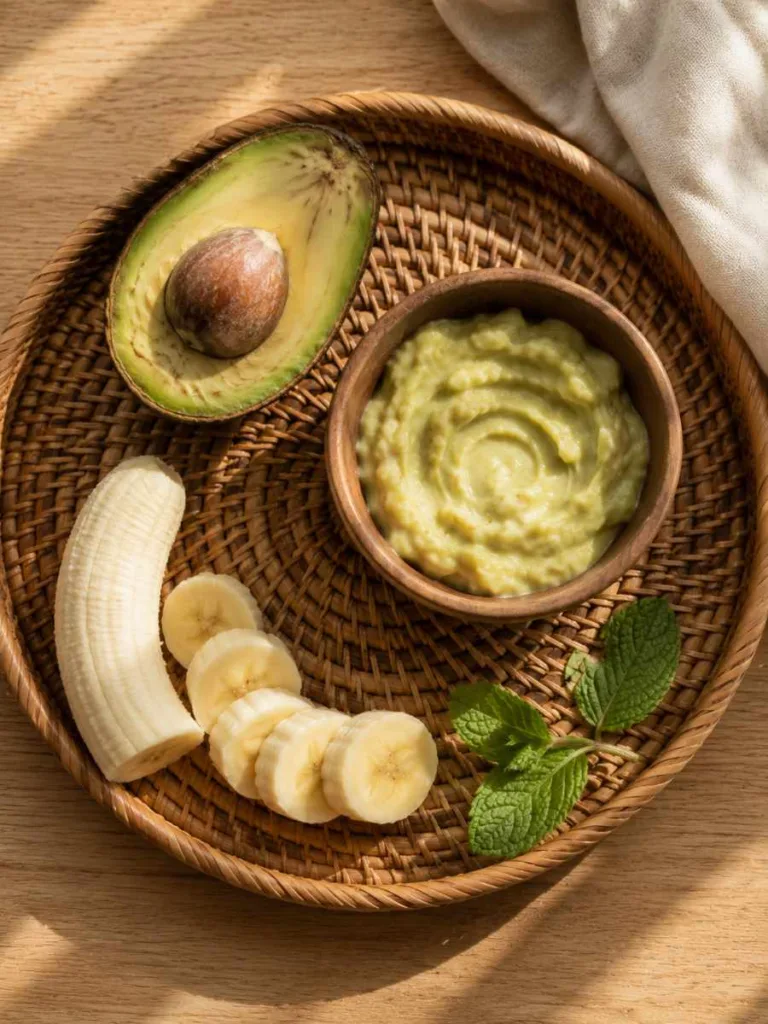
Best for: Dry, dehydrated skin | Time: 15 minutes
Mash half an avocado with half a banana for deep hydration. Both fruits carry fatty acids that restore a damaged skin barrier. Avocado is loaded with vitamin E, which helps repair rough patches over time. Banana adds potassium and natural sugars that pull moisture into your skin. This one feels heavy going on, almost like rich body butter. Leave it for fifteen minutes so it has time to sink in. Rinse with cool water to close your pores back up.
5. Green Tea Matcha Mask
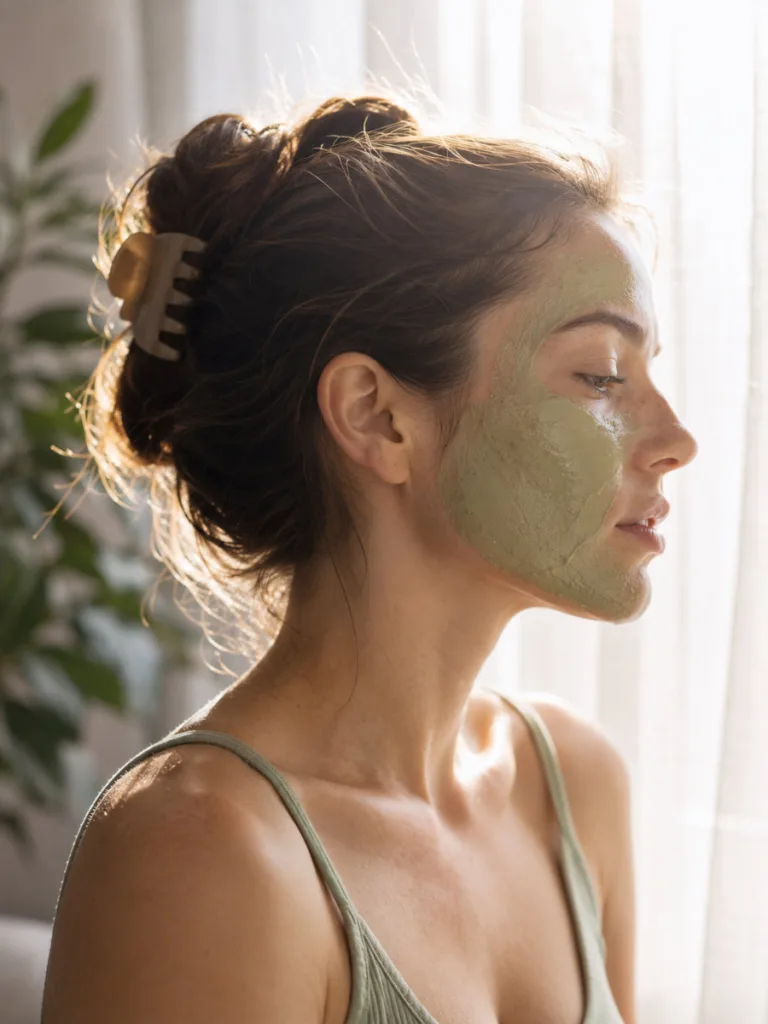
Best for: Dull, tired-looking skin | Time: 10 minutes
Mix matcha powder with honey for an antioxidant boost. Matcha’s catechins fight the free radicals linked to early skin aging. Matcha packs more antioxidants than regular brewed green tea. That’s because you’re using the whole ground leaf, not just steeped water. This mask works well after a stressful week or a poor night’s sleep. Skin tends to look dull under those conditions, and matcha helps bring color back fast. Use culinary-grade matcha here, not the pricier ceremonial kind.
6. Aloe Vera Gel Mask
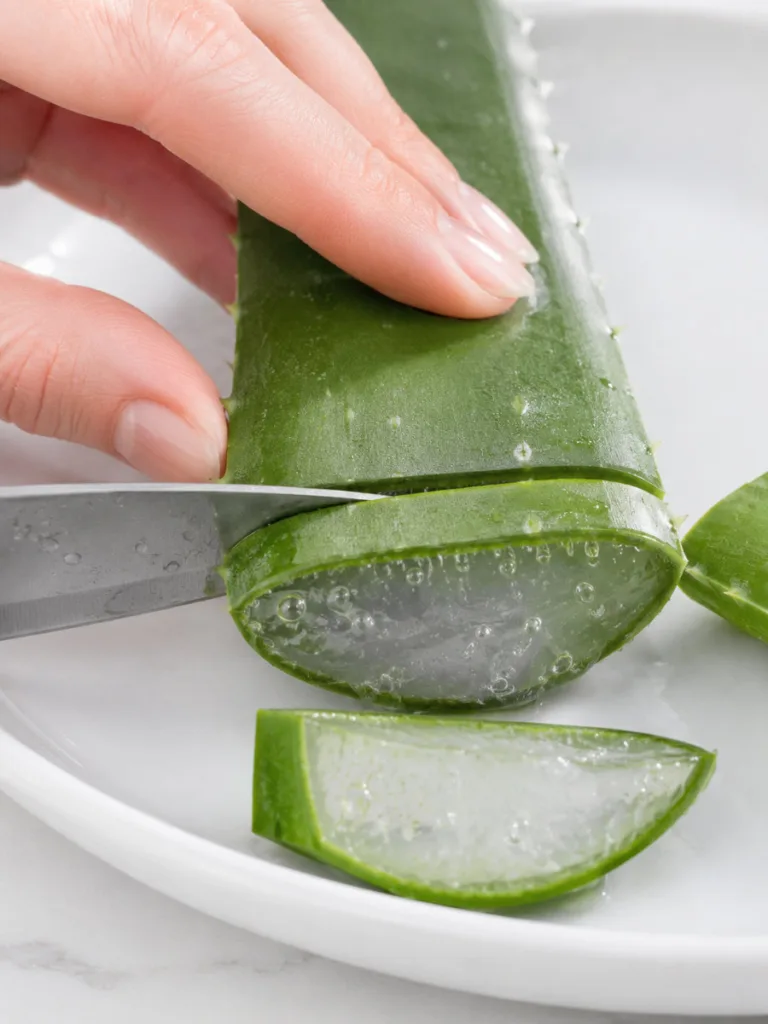
Best for: Sunburned, irritated skin | Time: Until absorbed
Apply pure aloe gel straight from the leaf for sunburned or irritated skin. It cools inflammation and speeds healing. Cut a small piece off a live aloe plant. Slice it open to scoop out the clear gel inside. Store-bought aloe gel works too, but check the label first. Skip anything with added alcohol or fragrance, since those ingredients can sting broken or sunburned skin. Apply a thick layer and let it fully absorb. You don’t need to rinse it off.
7. Coffee Grounds Mask
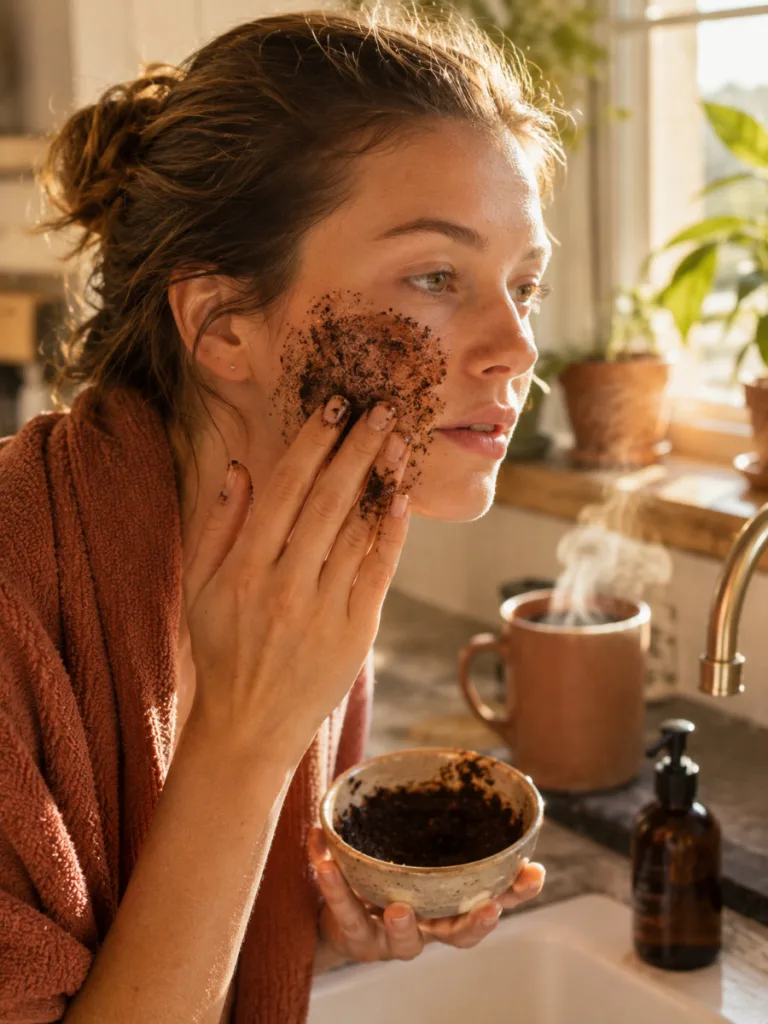
Best for: Dull skin, sluggish circulation | Time: 1 minute massage
Mix used coffee grounds with coconut oil for gentle exfoliation. Caffeine tightens skin and boosts circulation temporarily. This is a great way to reuse your morning coffee grounds instead of tossing them out. The texture works like a light scrub, buffing away dead skin cells as you go. Massage it in small circles for about a minute, then rinse clean. Your face might look slightly flushed right after. That fades within twenty minutes as circulation settles back down.
8. Rose Clay and Rosewater Mask
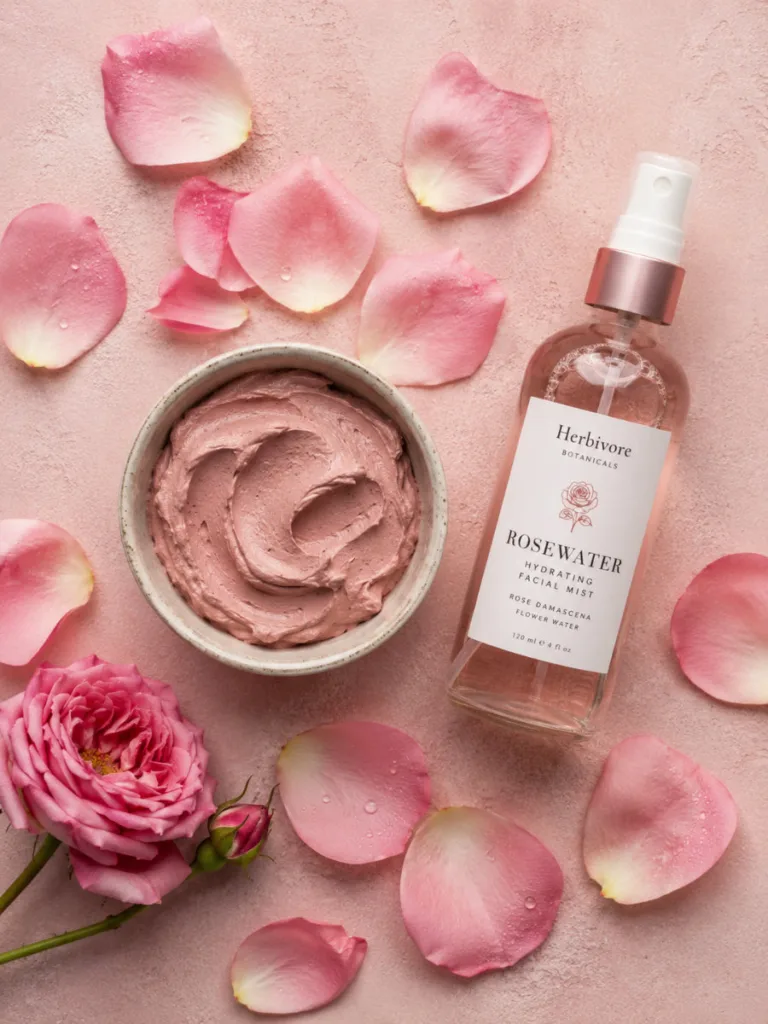
Best for: Normal, combination skin | Time: 10 minutes
Blend rose clay with rosewater for normal or combination skin. This balances oil without over-drying sensitive areas. Rose clay is milder than bentonite or kaolin. It won’t strip your skin the way stronger clays sometimes can. The rosewater adds a light floral scent and a bit of extra hydration on top. Mix to a smooth paste, thin enough to spread easily across your whole face. This is one of the gentlest clay options if you’re new to masking.
9. Papaya Enzyme Mask
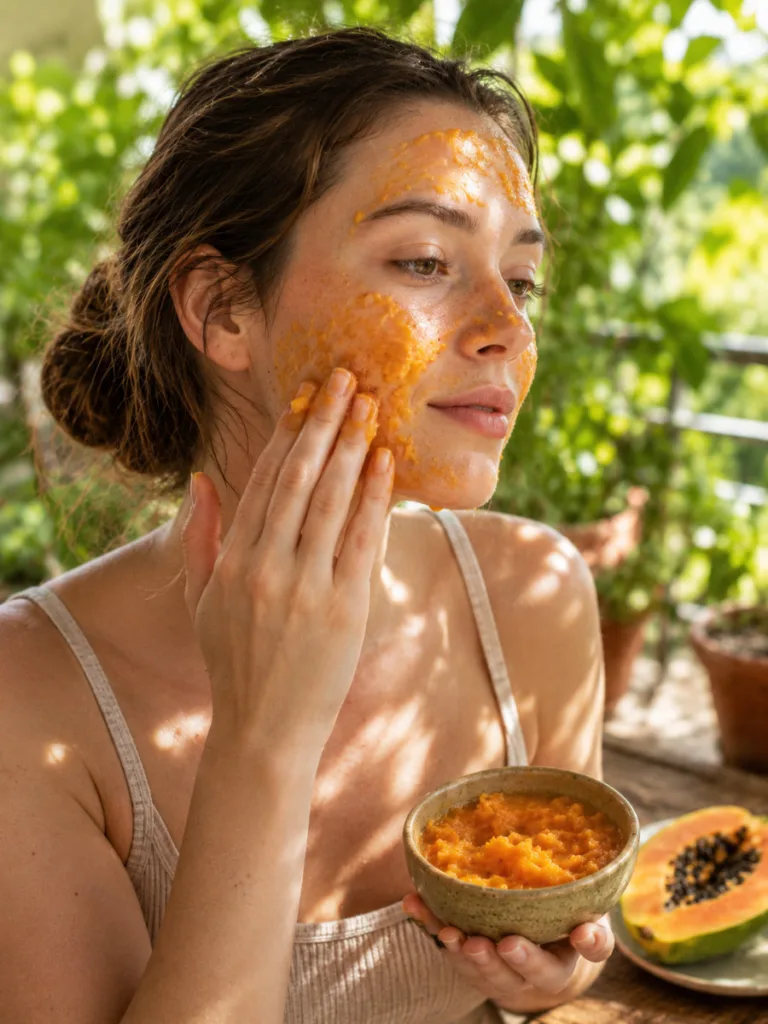
Best for: Rough texture, dullness | Time: 10 minutes
Mash ripe papaya and apply directly for gentle exfoliation. Papain enzymes dissolve dead skin cells without any scrubbing. Skip this if you have a known latex allergy, since papaya can cross-react. The fruit needs to be fully ripe for the enzymes to work well. Underripe papaya barely does anything at all. Apply a thick layer over clean skin and leave for ten minutes. Rinse gently, since freshly exfoliated skin turns more sensitive to hot water right after.
10. Charcoal Detox Mask
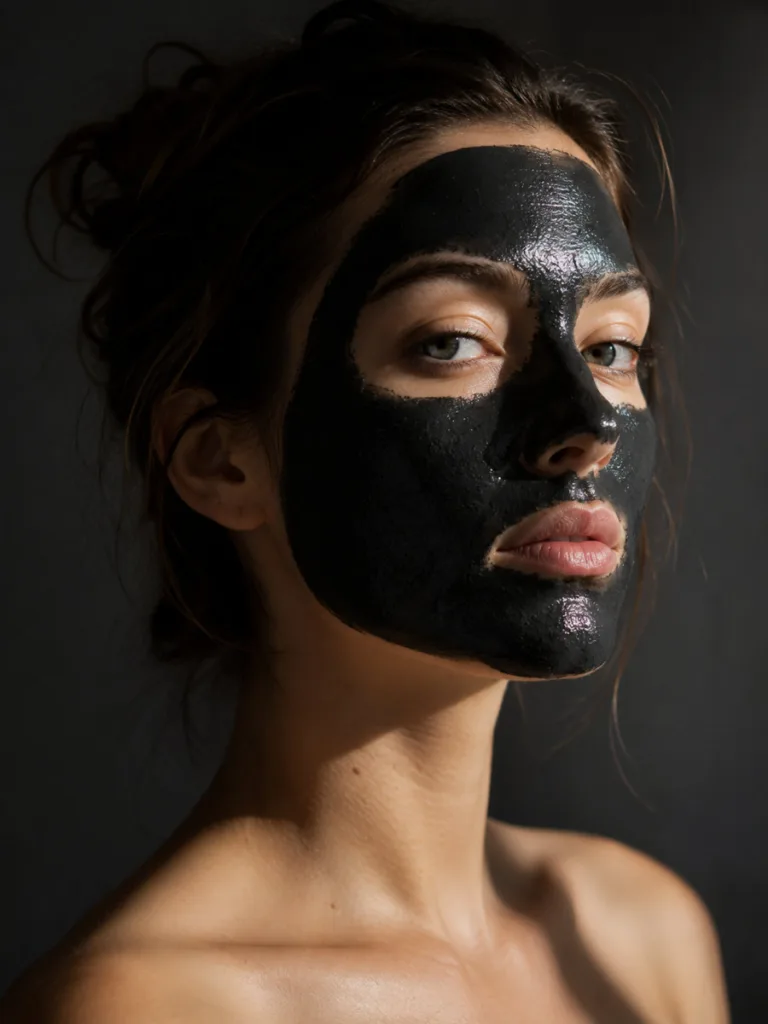
Best for: Pollution-exposed, congested skin | Time: 10 minutes, once a week
Combine activated charcoal with bentonite clay for skin exposed to daily pollution. This pulls grime trapped deep inside pores. Charcoal works through adsorption, meaning dirt and oil physically stick to its surface as it dries. City dwellers tend to notice the biggest difference here. Pollution particles settle deep into pores over an average day outdoors. Mix with a little water until smooth. Use this one once a week at most. It can dry out your skin if you overdo it.
11. Chamomile Tea Compress Mask
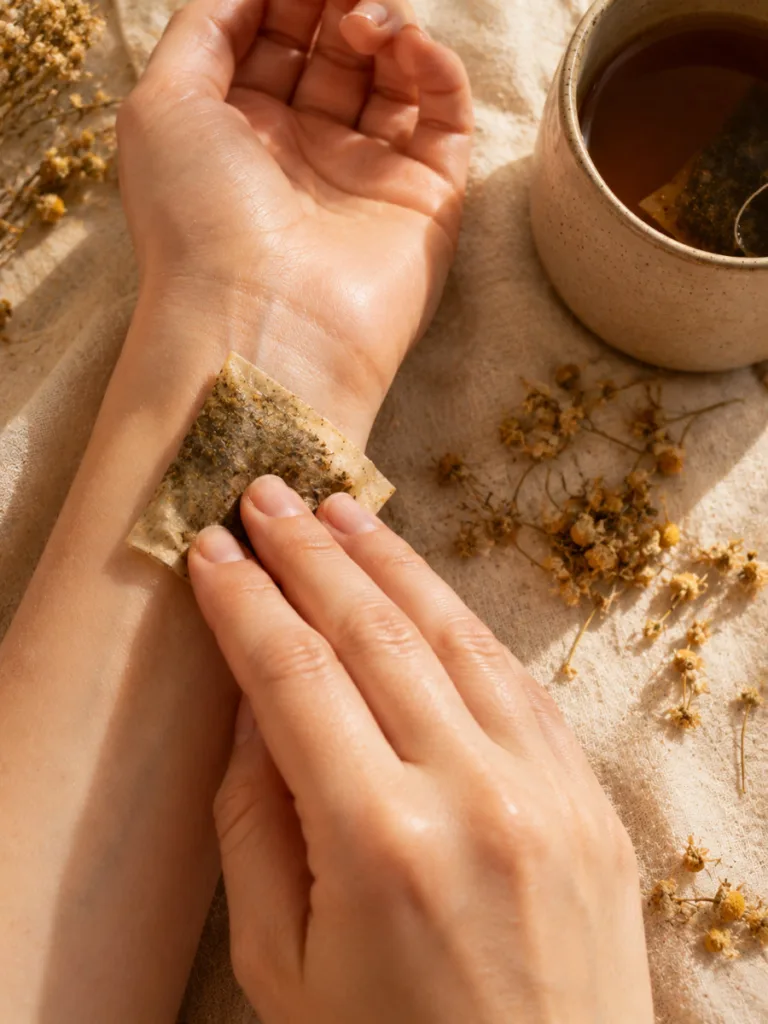
Best for: Sensitive, red skin | Time: 10 minutes
Steep a chamomile tea bag, then let it cool completely. Press a soaked cotton cloth onto skin for 10 minutes to calm redness fast. This is the gentlest option on this entire list. Chamomile has calmed skin irritation for generations, long before clean beauty became a marketing term. Keep the tea bag itself in the fridge after brewing. Press it directly onto any red or irritated spots. It works especially well after sun exposure or a rough shave.
12. Shea Butter and Vitamin E Mask
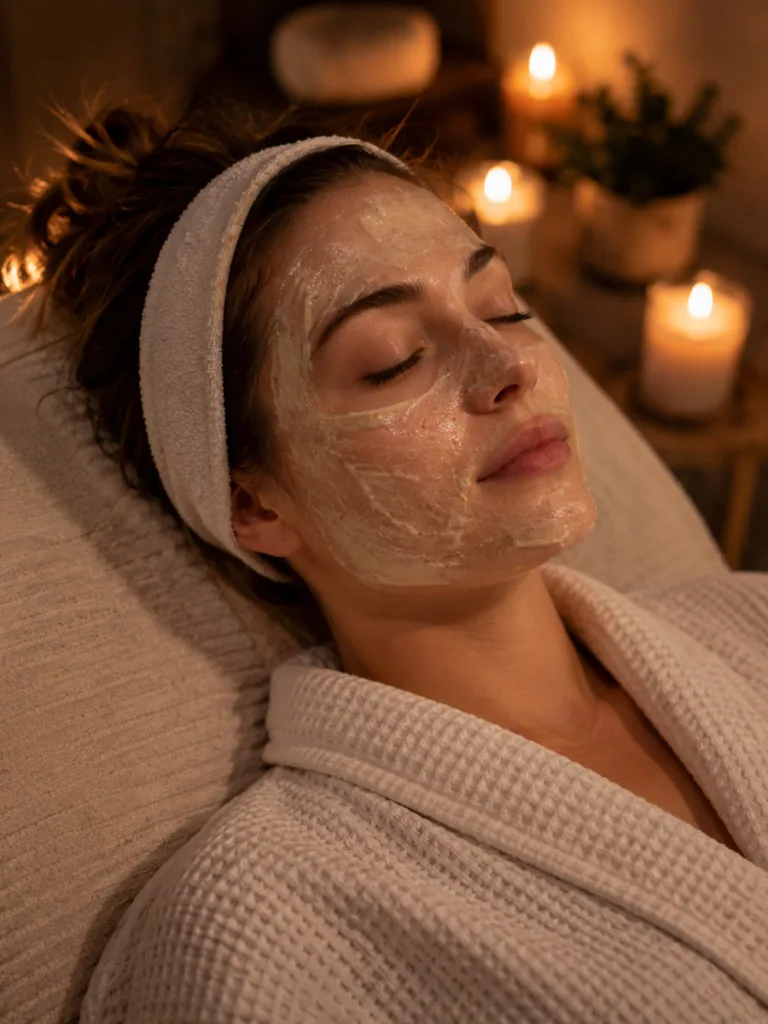
Best for: Mature, very dry skin | Time: Overnight
Melt one tablespoon raw shea butter. Stir in the oil from one vitamin E capsule for a rich blend suited to mature or very dry skin. Shea butter melts at body temperature, so it spreads easily once it hits your skin. Vitamin E adds an extra antioxidant punch and helps the mixture stay fresh longer. It’s worth adding to any routine focused on reducing fine lines. This one feels almost like a balm rather than a typical mask. Apply it before bed and skip rinsing, letting it work overnight instead.
13. Overnight Oat and Jojoba Mask

Best for: Dry skin, damaged barrier | Time: Overnight
Mix two tablespoons ground oats with one teaspoon jojoba oil into a thick paste. Leave it on overnight so the oil repairs your barrier while you sleep. Jojoba oil closely resembles your skin’s natural sebum. That means it absorbs without feeling greasy or heavy. Oats add a calming, slightly gritty texture that many people find soothing before bed. Use an old pillowcase the first time you try this. Some paste can flake off during the night.
14. Pineapple Yogurt Enzyme Mask
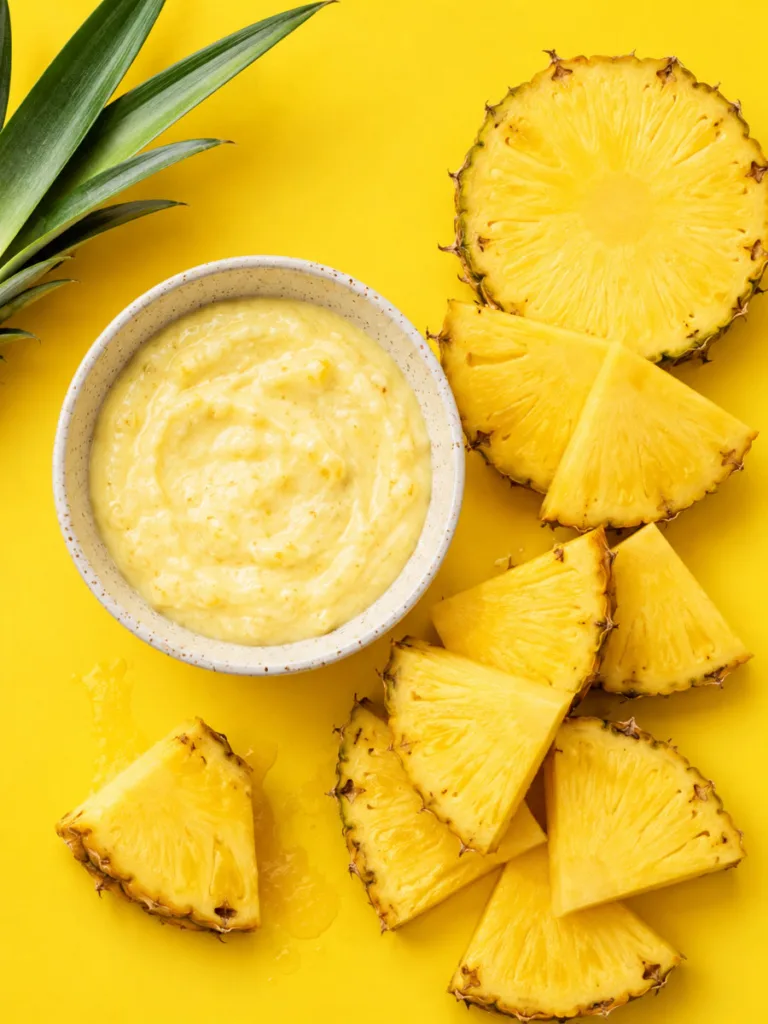
Best for: Uneven texture | Time: 5 minutes
Mash a small piece of ripe pineapple with two tablespoons of yogurt. Bromelain enzymes resurface skin gently, a nice rotation from papaya for variety. Pineapple can tingle a bit more than papaya does. Start with a shorter application time if your skin is sensitive. Yogurt’s lactic acid softens the effect and adds hydration at the same time. Five minutes is plenty for first-timers. Rinse thoroughly, since leftover pineapple residue on skin too long can cause mild stinging.
15. Sea Salt and Honey Scrub Mask
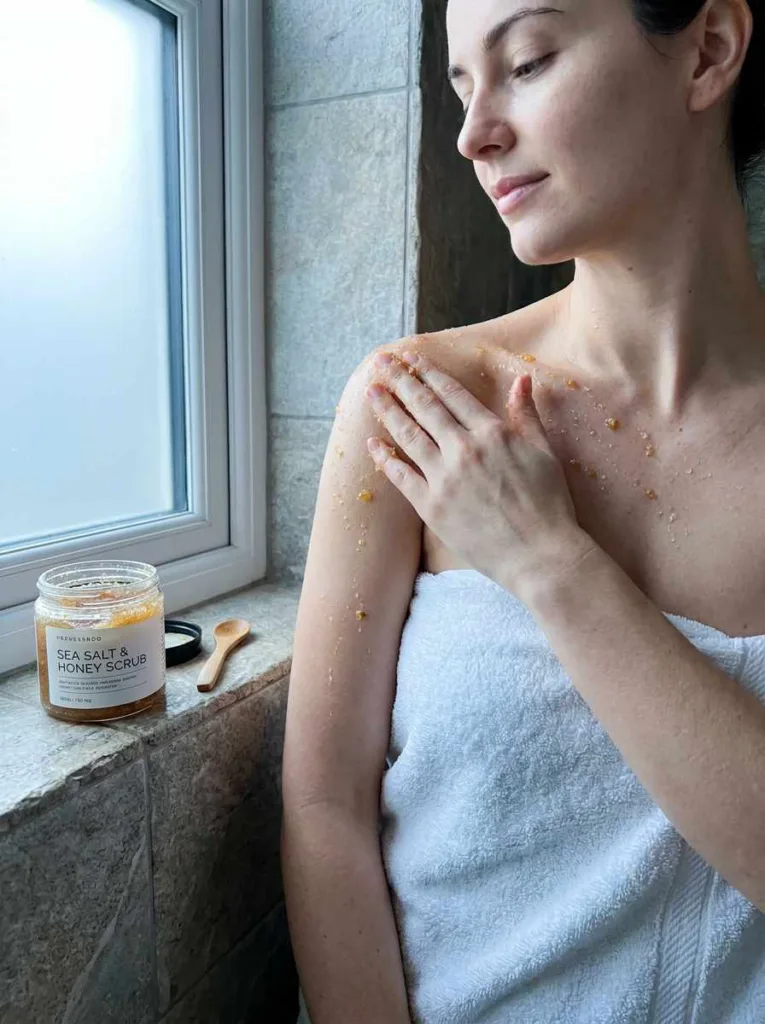
Best for: Detox, exfoliation | Time: 30-second scrub
Mix one teaspoon fine sea salt with one tablespoon raw honey. This mineral-rich scrub detoxifies pollution-exposed skin without synthetic beads. Sea salt naturally exfoliates while honey balances out the abrasion with real moisture. Use fine salt, not coarse, since large crystals can scratch delicate facial skin. Rub gently in small circles for about thirty seconds, then rinse clean. This one doubles as a lip scrub too, if you have extra mixture left over.
How to Apply an Organic Face Mask the Right Way
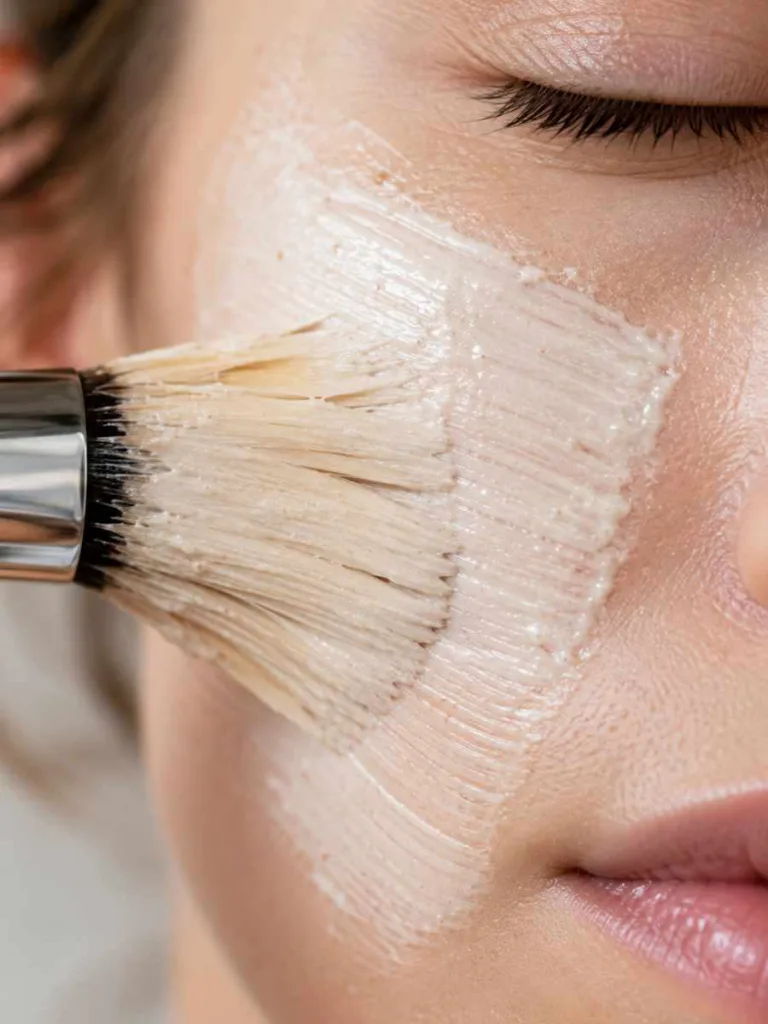
Technique matters just as much as ingredients. Cleanse your face first so the mask can reach your pores instead of sitting on dirt and oil.
- Apply a thin, even layer with clean fingers or a soft brush.
- Avoid the delicate eye area completely during application.
- Leave clay masks on until just barely dry, never fully hardened.
- Let cream and gel masks sit for 15 to 20 minutes.
- Rinse with lukewarm water, never hot water.
- Follow immediately with a lightweight moisturizer to seal in benefits.
Evening application works better than morning for most formulas, since skin repairs itself overnight. Doing this twice a week, at most, gives skin time to rest between treatments.
Common Mistakes to Avoid with Organic Face Masks
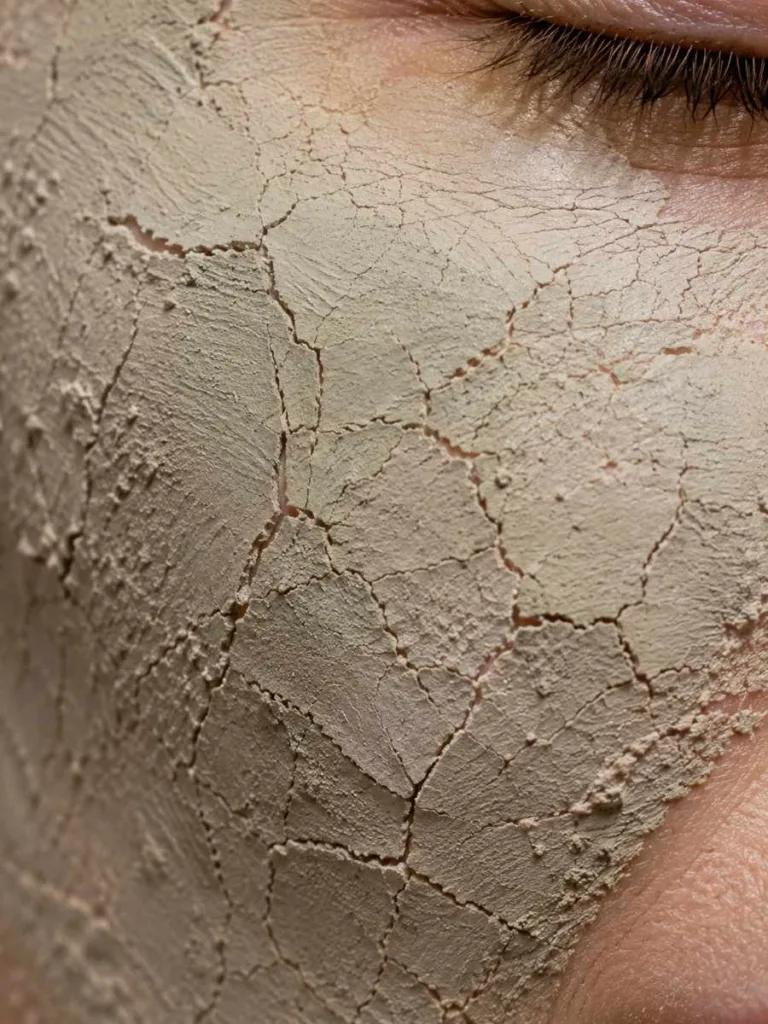
Even natural ingredients can backfire when used the wrong way. A few habits quietly undo the benefits of an otherwise good mask.
- Over-masking more than three times a week weakens your skin barrier, even with gentle formulas.
- Skipping the patch test is risky. “Natural” does not mean hypoallergenic, and essential oils cause more reactions than people expect.
- Letting clay masks fully harden pulls too much moisture from skin, leaving it tight and flaky.
- Using expired DIY batches invites bacteria. Fresh ingredients like yogurt or avocado spoil within a day or two.
- Applying a mask over unwashed skin traps dirt underneath, blocking active ingredients from working.
- Storing store-bought jars in a hot bathroom shortens shelf life. Keep formulas cool and dry instead.
- Mixing too many active ingredients into one DIY batch can overwhelm skin. Stick to two or three ingredients per recipe for predictable results.
FAQ Section
What is an organic face mask made of?
An organic face mask uses ingredients grown without synthetic pesticides or GMOs. Common examples include clay, honey, or plant oils, often certified by USDA Organic or COSMOS standards.
How often should I use one?
Most skin types benefit from one to two masks per week. Sensitive skin should start with once weekly to avoid irritation.
Can I make one at home?
Yes. Simple kitchen ingredients like honey, oats, yogurt, and avocado make effective DIY masks. Mix fresh batches each time since they lack preservatives.
Do these expire faster than regular masks?
Yes, especially DIY versions. Homemade batches last only a few days refrigerated. Store-bought organic masks typically last 6 to 12 months unopened.
Are they safe for sensitive skin?
Generally yes, but patch test first. Plant extracts and essential oils can still trigger reactions even though they come from nature.
Do organic masks work better than regular ones?
They work differently rather than strictly better. Results build more gradually but carry fewer irritation risks for sensitive or reactive skin.
Can men use organic face masks too?
Yes. Skin type matters more than gender when choosing a formula. The same clay, honey, or aloe recipes work equally well for men.
How do you choose a natural face mask for skin type?
Match the ingredient to the concern: clay for oily skin, cream-based oils for dry skin, oatmeal for sensitive skin. The right natural face mask for skin type differences prevents irritation and gets better results.
Conclusion
The right organic face mask turns weekly skincare into real repair time for your skin. Start with one recipe or product that matches your skin type. That might be a bentonite clay mask for oily skin or a shea butter cream mask for dry patches. Patch test any new formula first. Then track how skin responds over two to three uses before judging the results. Ready to see the difference for yourself? Pick one mask from this list and try it this week. Your skin will show you within days whether this switch works for you.
For more skin care tips, please visit VelvetBoard.