18 Fall Red Hair Color Ideas You Need to See Right Now!
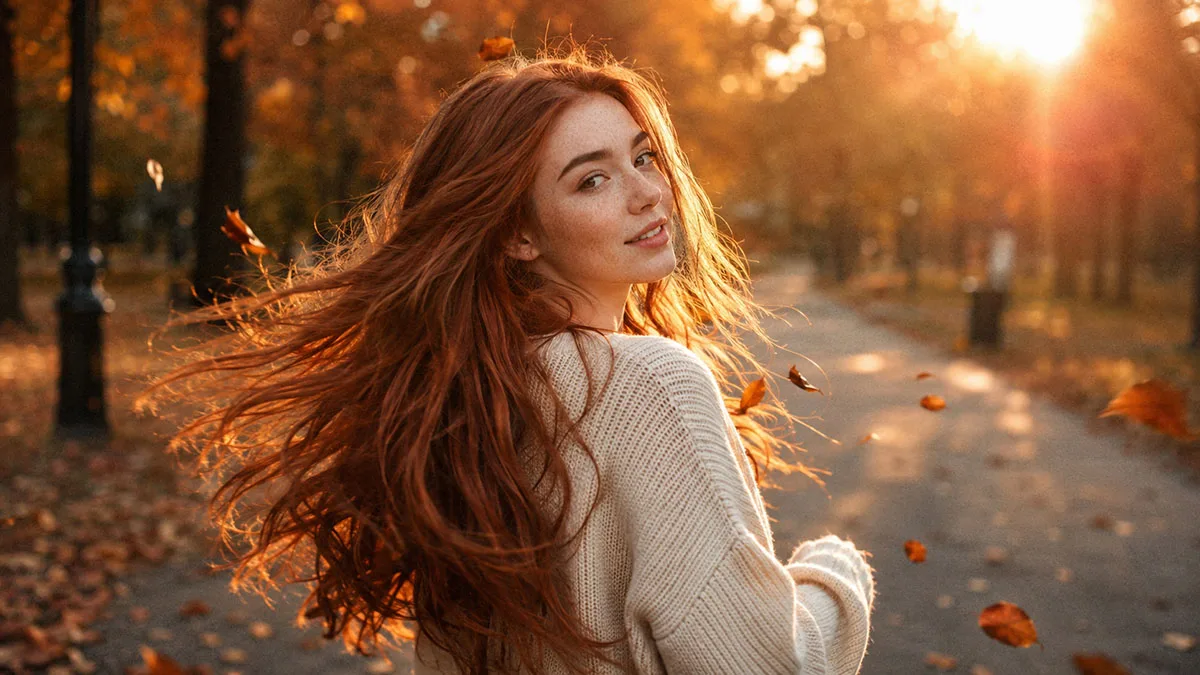
Ever pin a dozen fall red hair color looks, then panic because none of them actually match you? You’re not alone. The shade that looks stunning on your inspiration board doesn’t always suit your real skin tone, and that gap is exactly why so many red hair color changes go wrong.
Fall red hair color searches climb every September, and colorists say red is the top request walking through their doors right now. The real fix isn’t more scrolling. It’s picking a shade that matches your skin tone, your starting hair color, and how much upkeep you’re actually willing to do.
Below, you’ll find 18 fall red hair color ideas, a simple way to match a shade to your complexion, and a maintenance routine that keeps your new color from fading fast.
Why Red Hair Is Everywhere This Fall
Colorists across New York, Milan, and Paris are calling red the standout hair trend this season. Master colorist Colleen Flaherty of Spoke & Weal in New York City says clients often plant the idea early. They’ll mention it for months before they actually book the appointment. “Going red can feel like a dramatic change,” she explains, comparing it to cutting bangs or chopping off long hair.
It’s the Ultimate Contrasting Color
Most of us default to brunette or blonde for years, sometimes a whole lifetime. So when someone walks in with red hair, people notice. It reads as a little braver, a little more confident. Red also pairs naturally with everything already happening outside this time of year, from rust jackets to burnt orange leaves. That’s part of why it doesn’t feel jarring in the fall. It feels like it belongs.
There’s Real Science Behind the Shine
Red pigment molecules are physically larger than blue or yellow ones. Because of that, they sit closer to the surface of each strand and bounce back more light. That’s why freshly dyed red hair looks so glossy compared to other colors. It isn’t just a good blowout. Stylists also point out that red flatters a wider range of eye colors than most expect, including hazel, green, and deep brown.
How to Pick the Right Red Shade for Your Skin Tone
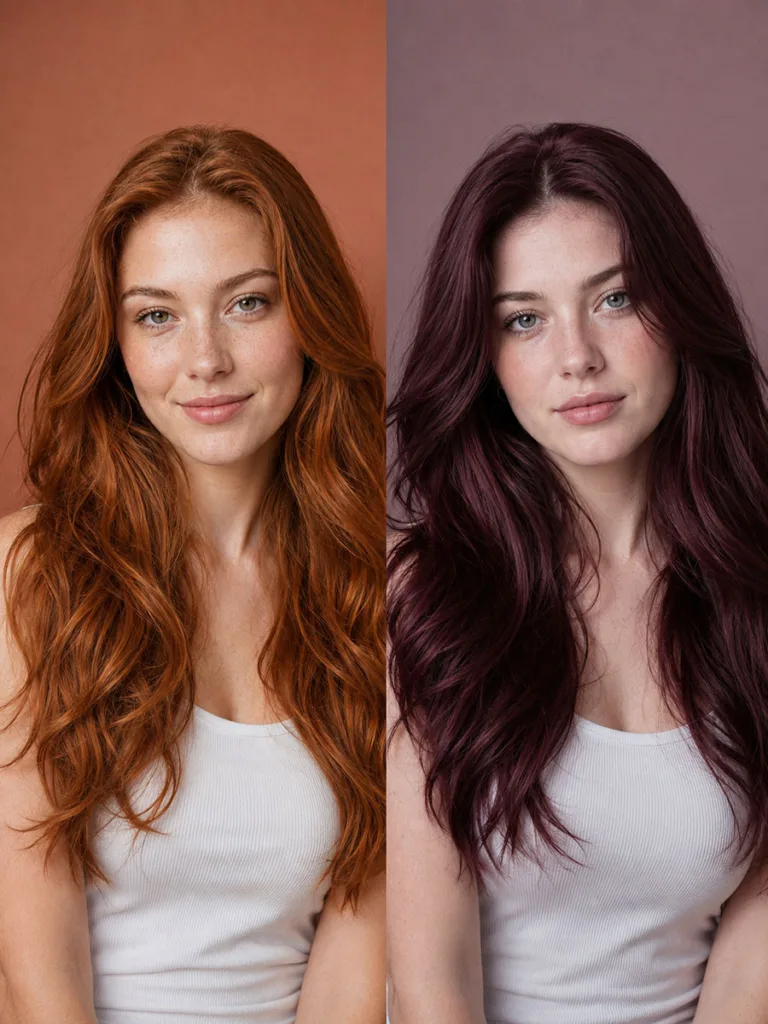
Not every red flatters every complexion, and that’s the part people skip. Skin tone and undertone matter more with red hair than with almost any other color family. So before you screenshot ten inspiration photos, check your undertone first.
Warm Undertones
Golden, peachy, or olive undertones lean warm. If that’s you, reach for copper, cinnamon, or pumpkin spice. These shades echo the warmth your skin already has instead of fighting it. Not sure which category you fall into? Check your wrist. Veins that look more green than blue usually mean you’re warm toned.
Cool Undertones
Pink-based, cooler skin tones typically look best in burgundy, cherry, or wine. These shades create contrast without clashing against the pink already in your complexion. If your veins look more blue than green, a cool-toned red is probably your safer bet.
Already Have Red Hair
If you’re a natural redhead, good news. Most fall shades layer right over your existing base with barely any lift needed. A simple gloss in auburn or rosewood deepens what you already have for the season, and there’s no harsh bleaching involved at all.
18 Fall Red Hair Color Ideas to Try
Each of these 18 shades suits a different starting hair color and a different comfort level with upkeep. Whether you’re already a redhead or trying this color for the very first time, one of these will fit you.
1. Copper
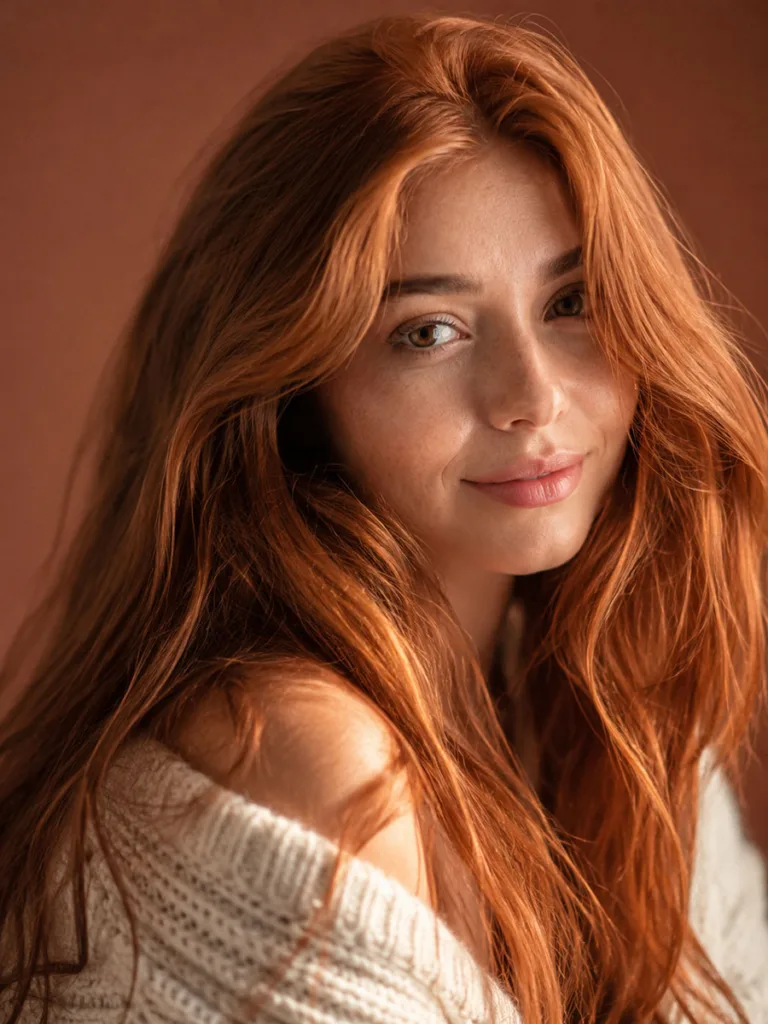
Best for: golden or olive undertones · Upkeep: Low
Copper is the shade most colorists reach for first, and it’s easy to see why. It’s warm, rich, and reads as the most natural-looking red you can get for fall. It flatters golden and olive skin tones especially well, since it echoes their existing warmth instead of competing with it. One underrated perk: the roots grow out gradually instead of creating that harsh line you get with darker, more saturated reds. That makes copper one of the lower-maintenance options on this entire list.
2. Rich Cherry
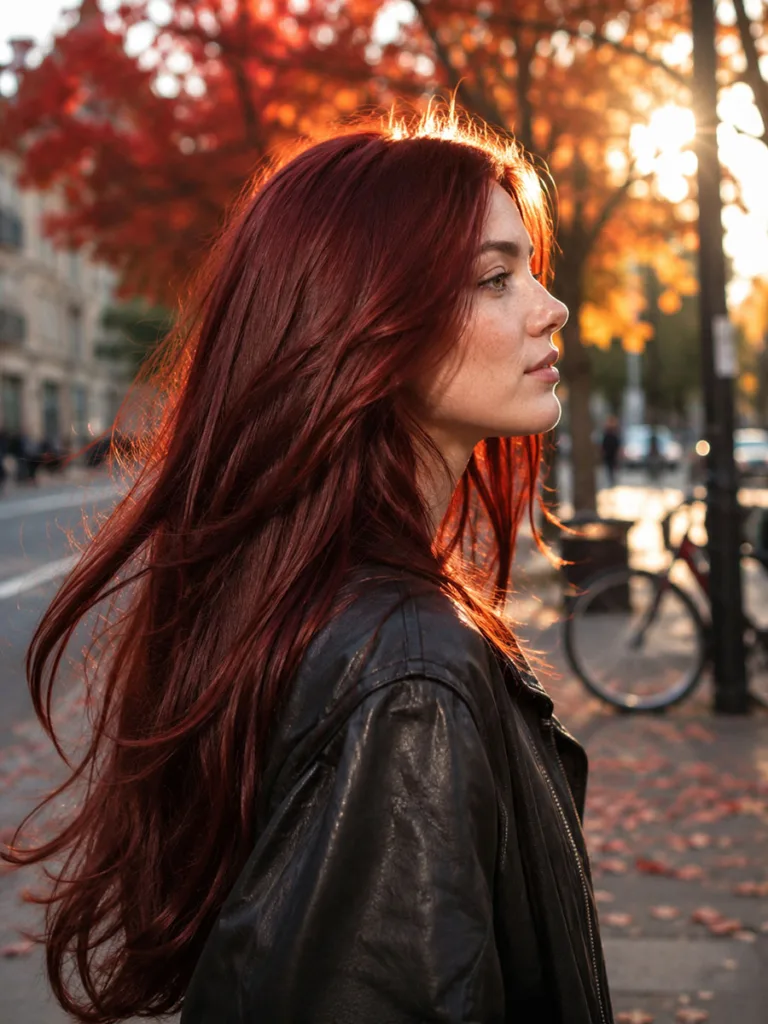
Best for: cool undertones, dramatic looks · Upkeep: Low as an ombré
Rich cherry is a deep, mahogany-leaning red that makes a statement the second you walk into a room. It looks dramatic as a full, all-over color, but it also works as an ombre, with darker roots melting into brighter, more vibrant ends. That ombre version has a practical upside too. It gives you far more room to grow out your roots before a touch-up feels urgent. That matters if your schedule doesn’t leave room for monthly salon visits.
3. Burgundy
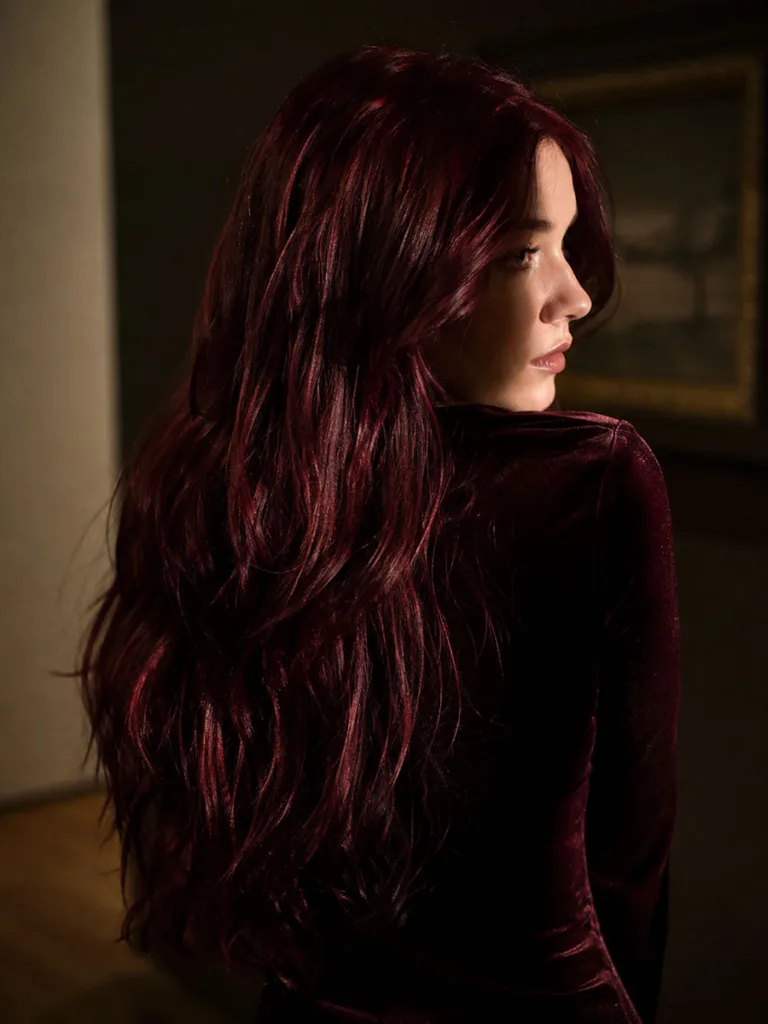
Best for: cool undertones, dark brunette bases · Upkeep: Medium
Burgundy merges red with a subtle purple undertone, giving it a moody, almost wine-like personality. It works well on dark brunette bases, since the color deepens what’s already there instead of demanding a dramatic lift. Under warm indoor lighting, burgundy catches a rich glow that flatter, brighter reds sometimes lose. If you want red without looking like you tried too hard, this is often the shade colorists recommend first.
4. Cinnamon Spice
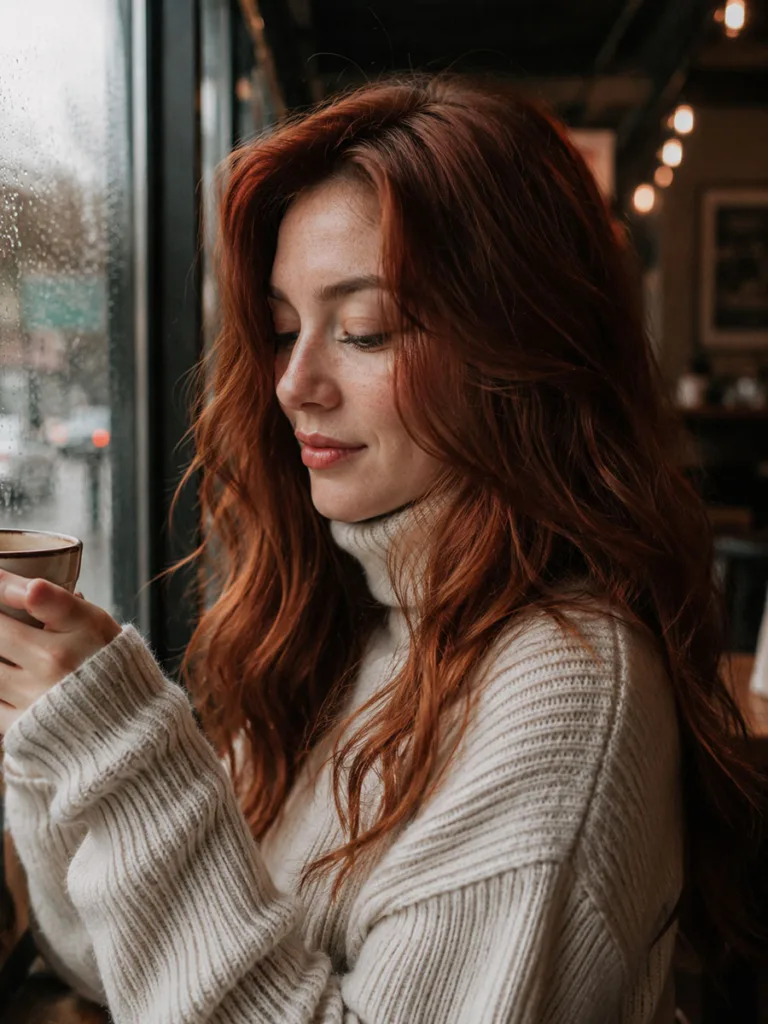
Best for: warm undertones · Upkeep: Medium
Cinnamon spice sits closer to a true red than pumpkin spice, with noticeably less orange running through it. The result is a bright, believable finish that still feels warm and seasonal without veering into costume territory. In certain lighting, especially outdoors in late afternoon sun, it can shift and look closer to a soft auburn. That subtle shift is part of its appeal. It never looks completely flat or one-dimensional.
5. Pumpkin Spice
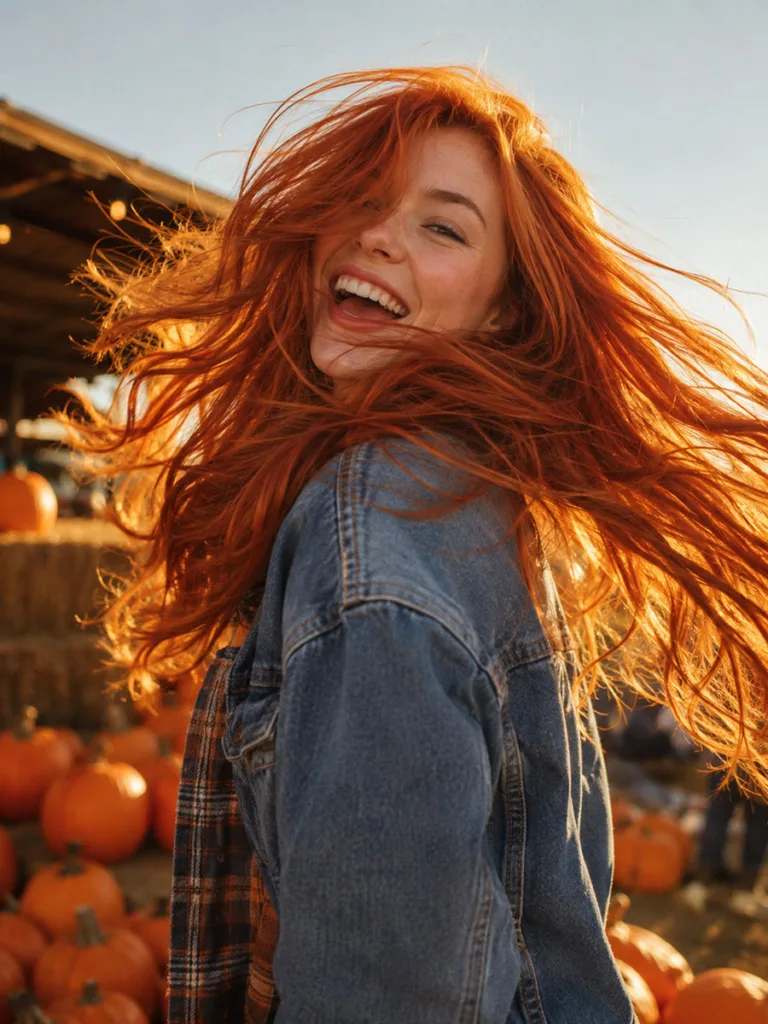
Best for: warm undertones, bold looks · Upkeep: Medium
Pumpkin spice takes vibrant orange and blends it with warm ginger and cinnamon tones for a shade that’s bold without being scary. It’s fun, and it doesn’t take itself too seriously. It’s also one of the easiest shades to customize, since your colorist can simply adjust the ratio of orange to brown. This is a great option if you want people to notice your hair color from across the room.
6. Burnt Copper
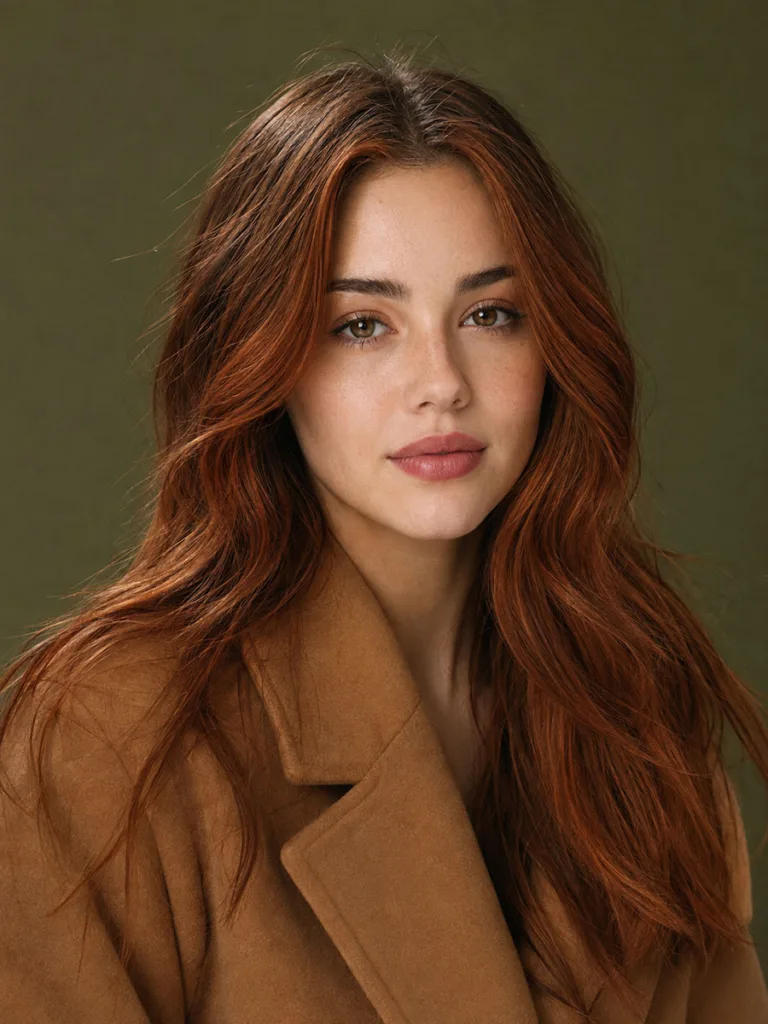
Best for: brunettes easing into red · Upkeep: Low
Burnt copper blends ginger and red tones into brunette hues, creating something elegant and surprisingly low maintenance. It’s the shade actress Julianne Moore has worn for years, which tells you how timeless it is. Because it leans closer to your natural brunette base than a bright copper would, root growth is far less noticeable between salon visits. If you want red but you’re nervous about commitment, this is a smart place to start.
7. Auburn
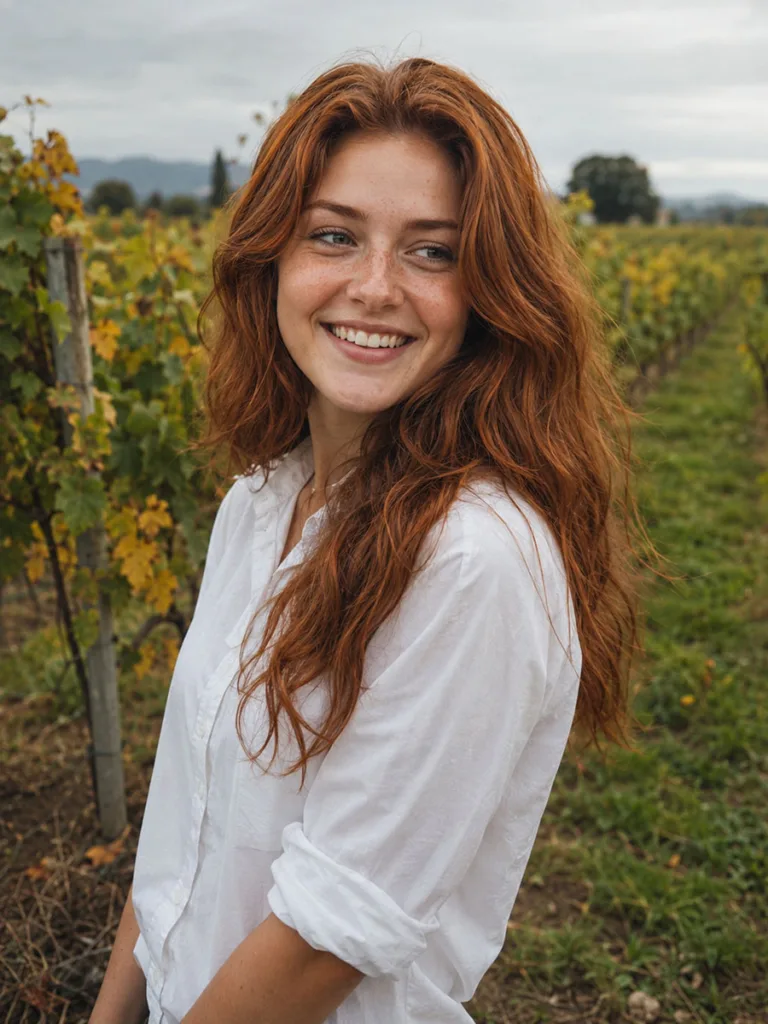
Best for: brunettes, warm undertones · Upkeep: Low
Auburn gets called the most expensive-looking red in the business, and colorists mean that as a real compliment. It’s ideal for brunettes easing into color, since the shift from your natural base feels subtle rather than jarring. There’s no shock factor here, just a rich, warm depth that looks like you were born with it. Auburn also tends to age gracefully between appointments, fading toward a soft brown instead of a dull, flat orange.
8. Chestnut Red

Best for: professional, everyday wear · Upkeep: Low
Chestnut red combines deep brown with a red glaze for warmth that reads professional, not flashy. It’s the kind of shade that works in a boardroom just as easily as it works at brunch. You still get that seasonal warmth everyone’s chasing this fall, but it never feels loud or attention-seeking. If your job or lifestyle calls for something a little more understated, chestnut red gives you red hair without the drama.
9. Rosewood
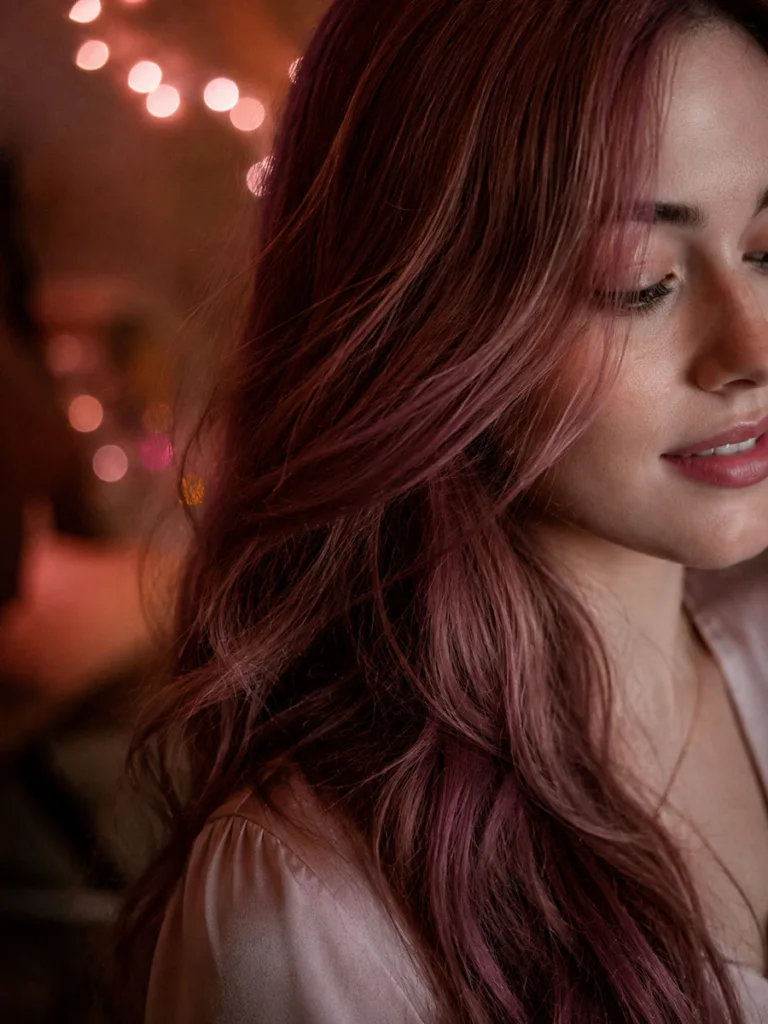
Best for: cool undertones, first-timers · Upkeep: Medium
Rosewood is a dusty, muted red with cool pink undertones running underneath it. Think of it as red’s softer, quieter cousin, perfect if you want the color without the full intensity of a saturated, high-pigment shade. Anyone hesitant about going too bold gets a gentler entry point here. It also fades in a flattering way instead of turning brassy.
10. Terracotta
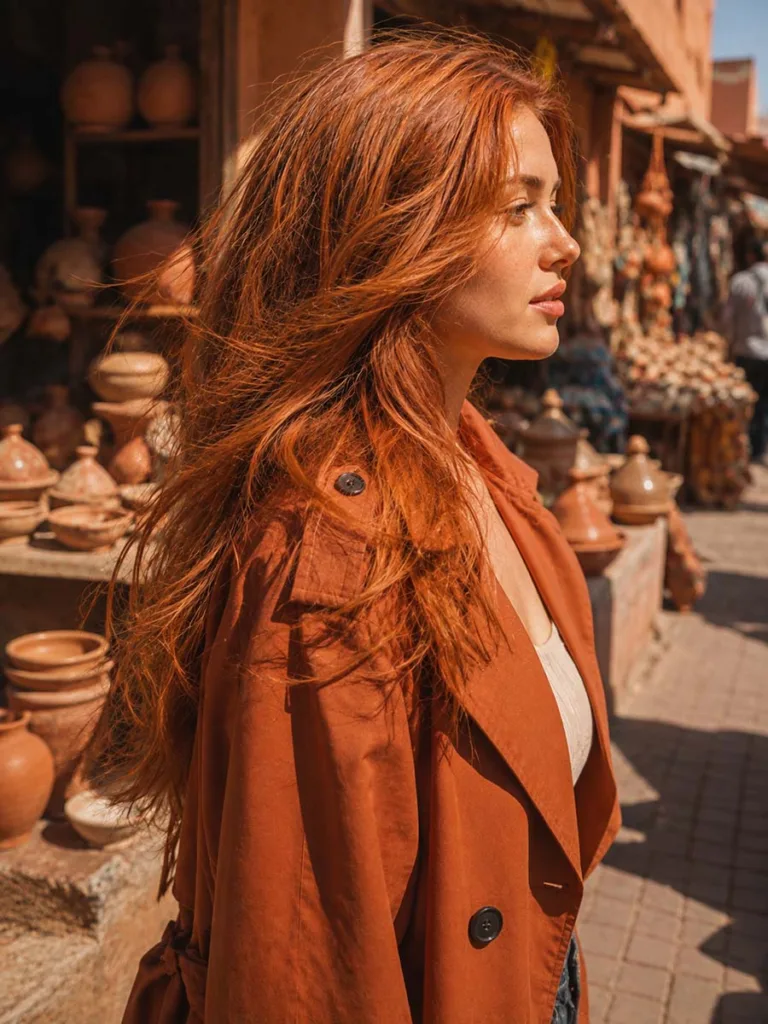
Best for: warm, tan skin · Upkeep: Medium
Terracotta is earthy and orange-leaning, channeling the same clay and pottery tones you see everywhere in autumn decor. It suits warm, tan skin so well it looks like it was designed with fall in mind. Unlike some seasonal shades, terracotta holds up well year round, so you’re not locked into rebooking a new color the moment winter arrives. It’s a versatile pick for anyone who wants one red that works in every season.
11. Cranberry
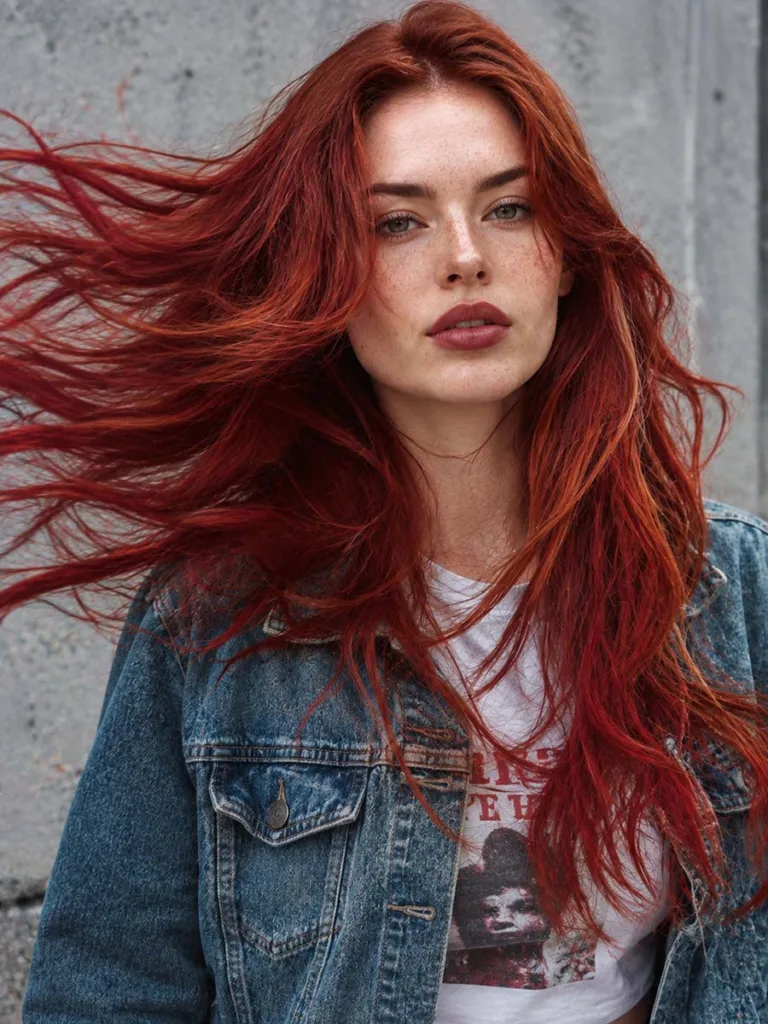
Best for: lighter starting hair colors · Upkeep: Medium
Cranberry is bright and juicy, with a hint of purple hiding just underneath the surface. It works best when applied over lighter starting hair colors, especially dirty blonde bases that let the vibrancy really show through. This is one of the punchier shades on the list, so expect people to ask what color you’re wearing. If subtlety isn’t your goal this fall, cranberry delivers exactly the opposite.
12. Garnet
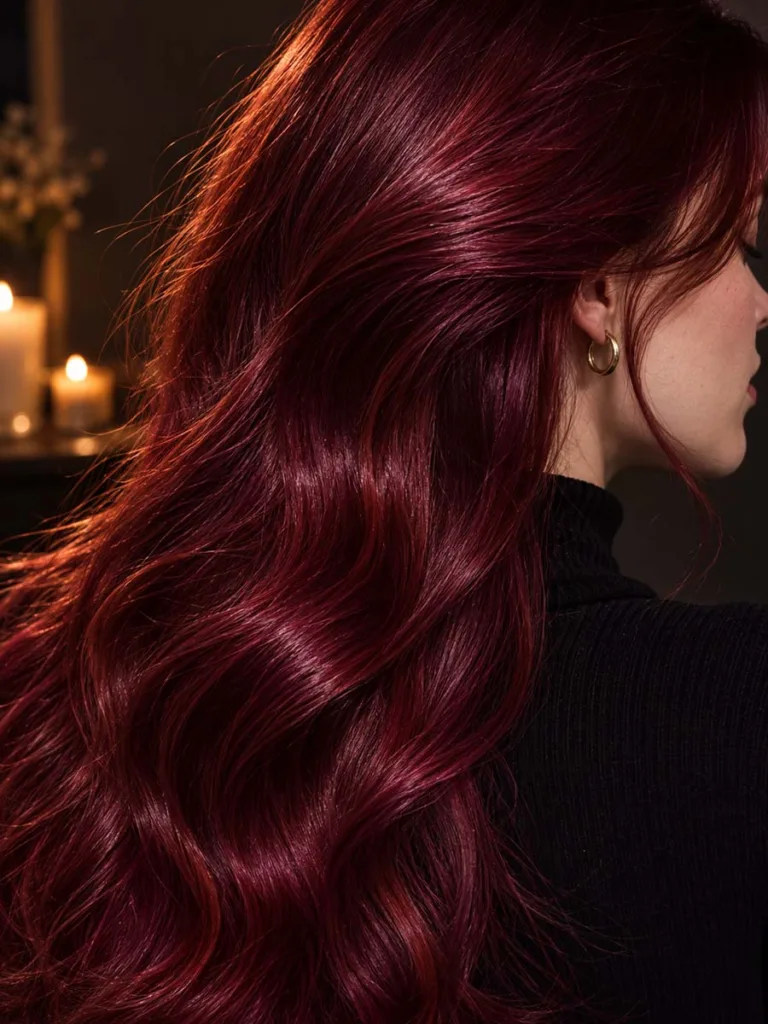
Best for: high-impact, glossy looks · Upkeep: High
Garnet is a jewel-toned deep red known for its exceptional shine. To keep that shine looking wet and glassy, plan on a weekly gloss treatment rather than skipping straight to your next full color appointment. It’s a high-impact shade, but it does ask a little more of you in terms of upkeep. If you’re willing to put in that weekly effort, garnet rewards you with one of the most luxurious finishes on this entire list.
13. Russet
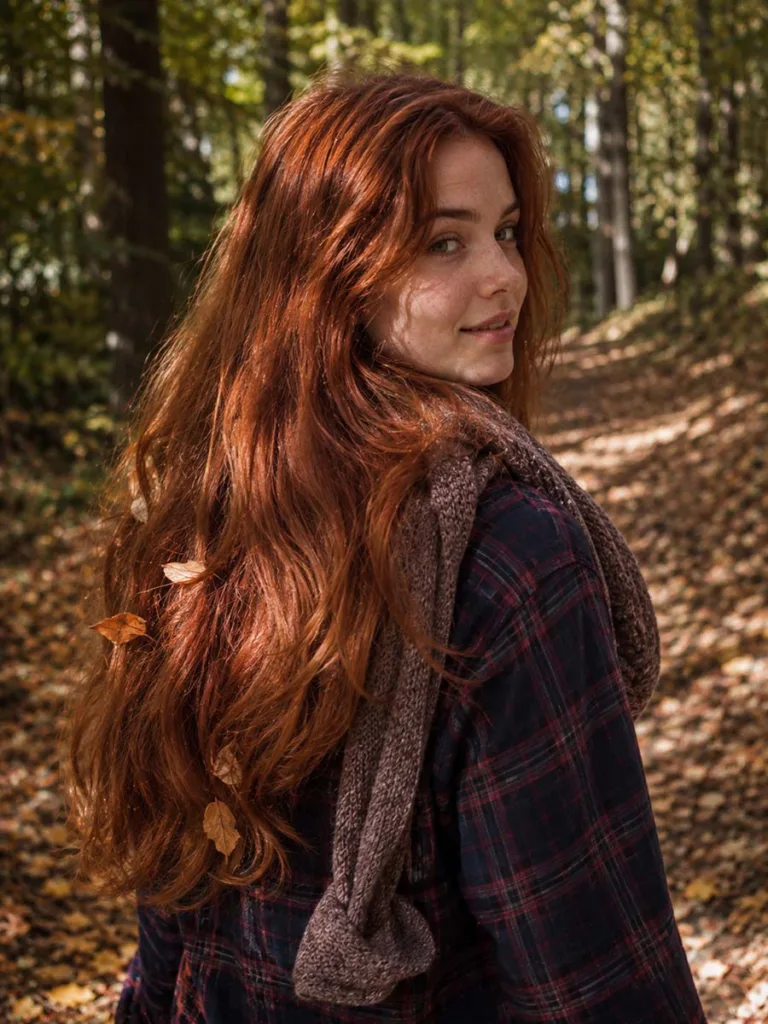
Best for: brunettes, low-drama regrowth · Upkeep: Low
Russet is a brownish red that looks like it was pulled straight from a pile of fallen autumn leaves. It blends easily with natural brunette regrowth, which means touch-ups feel far less urgent than they would with a brighter, more saturated red. This is a great choice if you like the idea of red hair but don’t want to think about your roots every few weeks. Low drama, high payoff.
14. Dark Cherry Cola

Best for: bold, low-maintenance seekers · Upkeep: Low
Dark cherry cola is nearly black, but with subtle red glints that catch the light when you move. It’s become popular this fall for a simple reason: that low-maintenance root blend, even though the finished look still reads as bold and intentional. You don’t need a bright, saturated shade to make a statement. Sometimes the quietest reds turn the most heads.
15. Strawberry and Cream
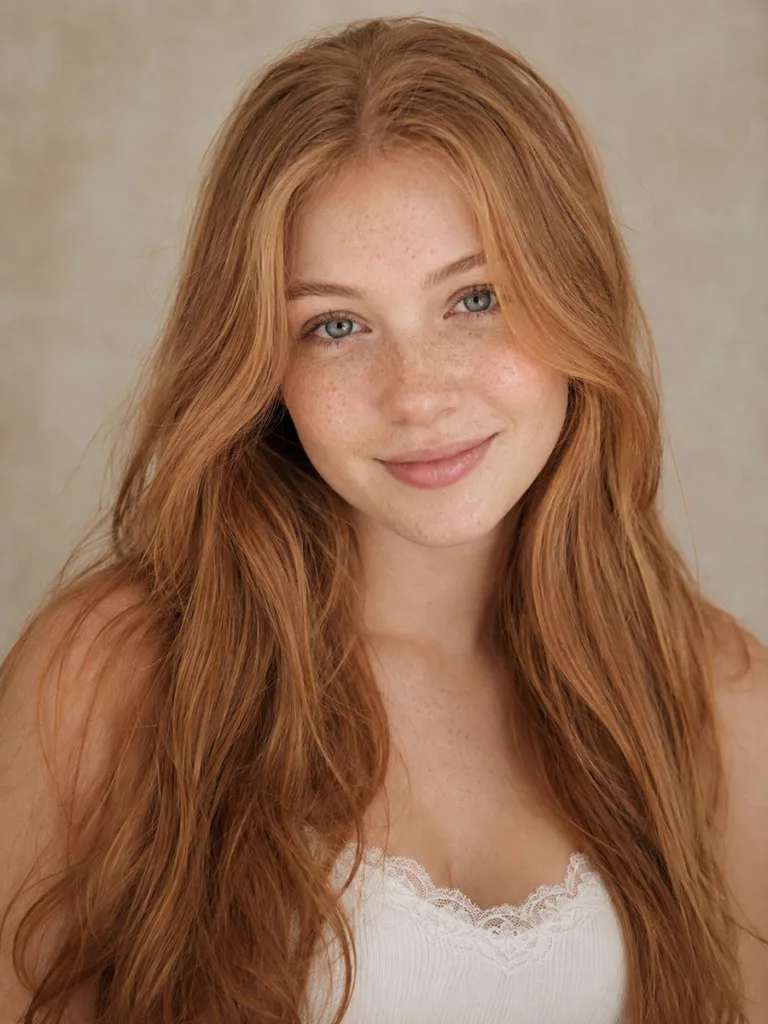
Best for: fair or freckled skin, blondes · Upkeep: Low
Strawberry and cream is a soft, creamy strawberry blonde with just enough red mixed in to feel fresh. It stays gentle without overwhelming fair or freckled skin, which makes it a favorite for anyone who wants to dip a toe into red first. Easy to wear day to day, easy to style, and it doesn’t demand constant attention from your colorist to keep it looking right.
16. Apricot Red
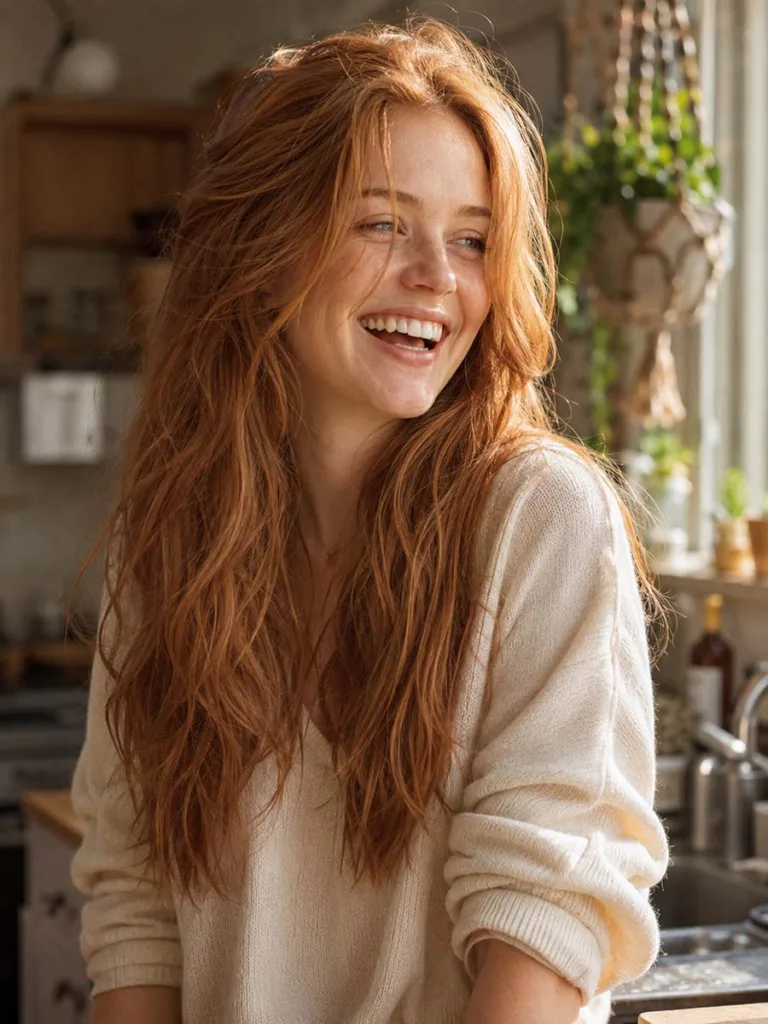
Best for: first-timers, blondes · Upkeep: Low
Apricot red is a gentle, blonde-friendly shade built specifically for first-timers. It eases you into color gradually, without requiring a drastic transformation or a heavy bleaching session beforehand. If you’ve always wanted red but panic at the thought of a full commitment, apricot red is the shade colorists recommend most often. It’s forgiving, flattering, and hard to get wrong.
17. Fiery Ombre

Best for: low-maintenance seekers · Upkeep: Low
Fiery ombre pairs deep red or orange roots with lighter copper ends, and it’s ideal if you want low-maintenance color with maximum visual payoff. Because the darkest part of the color sits right at the root, touch-ups are rarely urgent, even months after your original appointment. This is one of the most forgiving styles on the list. It’s perfect for anyone who colors their hair but hates monthly salon visits.
18. Wine Red
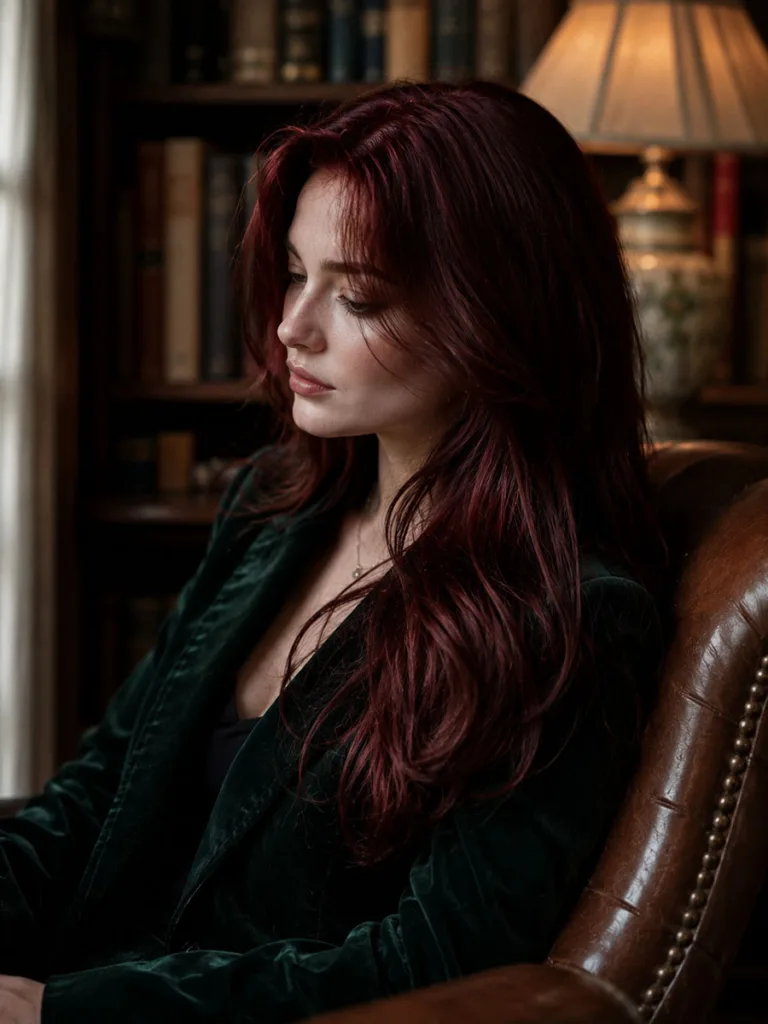
Best for: busy schedules, low upkeep · Upkeep: Low
Wine red is a deep, almost blackish burgundy that photographs well in nearly any lighting. It hides root regrowth longer than brighter, more saturated reds, which makes it a smart pick for busy schedules. Love the idea of red hair but not the frequent salon visits? Wine red quietly solves that problem, and it still looks rich every day.
Red Hair Colors by Starting Hair Color
Your starting shade changes how much work it takes to reach your dream red. Skipping this step is where a lot of at-home color jobs go wrong.
If You’re a Natural Blonde
Blondes can usually go straight to lighter reds without heavy bleaching. Apricot red and strawberry and cream both apply cleanly over a blonde base. The color tends to show up true to tone on the first try.
If You’re a Natural Brunette
Brunettes typically need a gentle lift before the color shows up properly. Once that’s done, rich shades like copper or cinnamon spice look far more vibrant than they would apply directly over dark hair.
If Your Hair Is Already Dyed Dark
If your hair is already dyed dark or black, expect your colorist to recommend a color-removal step first. Skipping it is risky. Dark pigment underneath new red dye can turn the whole thing muddy or brown instead of vibrant.
How to Maintain Red Hair Color Through Fall
Red fades faster than any other hair color, full stop. The pigment molecules are large, and they sit close to the surface. Expect noticeable fading within four to six weeks without proper aftercare, even after a great appointment.
Wash Smarter, Not More Often
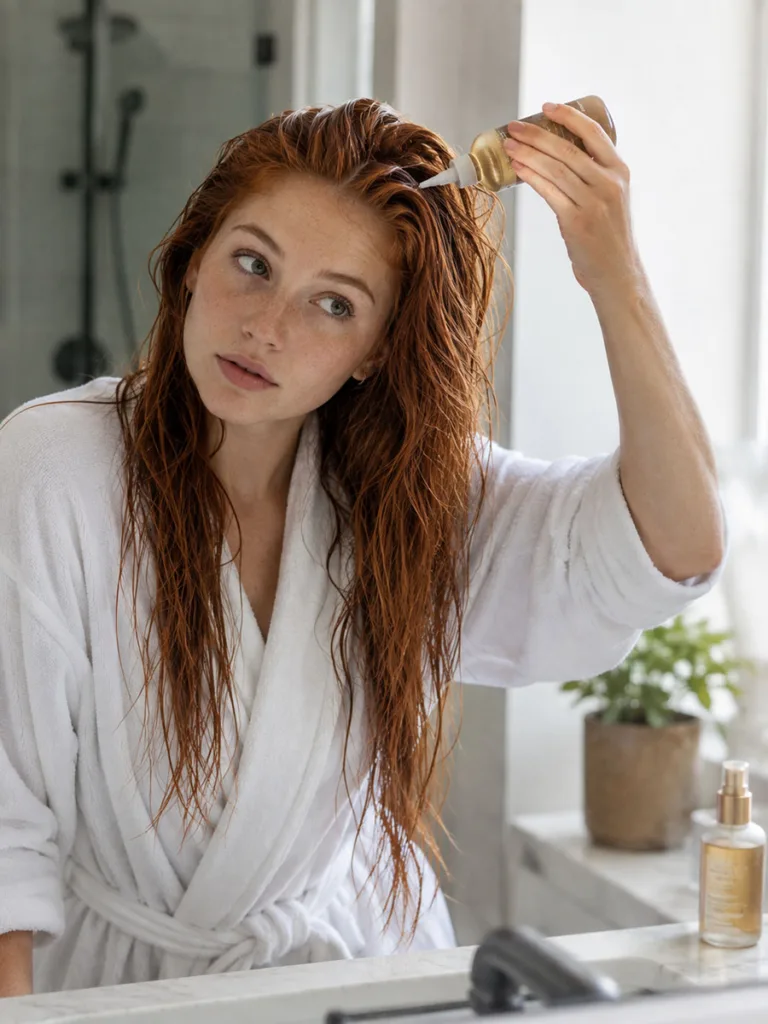
Small daily habits make the biggest difference in how long your color lasts.
- Use a color-safe shampoo and conditioner made specifically for red or color-treated hair
- Skip hot showers when you can, since heat opens the hair cuticle and pulls color out faster
- Limit wash days to three or four times a week
- Always finish with a blast of cool water to help seal the cuticle shut
Add Gloss Between Salon Visits
Between full appointments, a few extra steps keep your red looking freshly done.
- Ask your colorist about glaze treatments, which add a translucent, tinted layer of color
- Glazes boost shine and slow down fading without the full commitment of a re-dye
- Book trims every six to eight weeks, since split or damaged ends make even vibrant red look duller than it actually is
Mistakes to Avoid With Red Hair Color
Skipping the Strand Test
This is the most common mistake colorists see, especially with at-home dye kits. Always test a small, hidden section first so you know exactly how your hair will absorb the color before committing to your whole head.
Washing Too Soon
Washing your hair within 48 hours of coloring is another frequent error. Freshly dyed hair needs time to fully set, and rushing that first wash can strip out color you just paid for.
Using the Wrong Shampoo
Avoid clarifying shampoos on red hair entirely. They strip color fast, and a single wash with the wrong formula can undo weeks of careful maintenance in a matter of minutes.
How to Talk to Your Colorist About Going Red
A good consultation is often the real difference between a shade you love and one you regret.
Bring Reference Photos
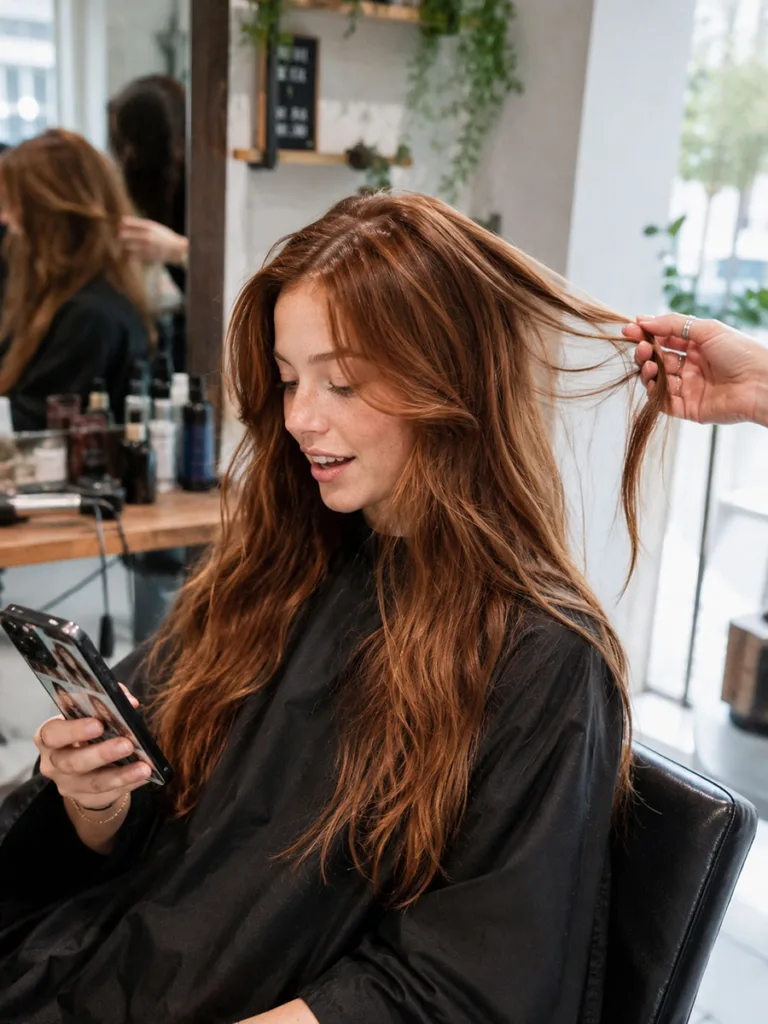
Bring three or four reference photos to your appointment, and point out exactly what draws you to each one. Maybe it’s the tone, the shine, or where the color is placed. Mention your undertone if you already know it, and be honest about your wash routine and how often you’re realistically willing to visit for touch-ups.
Ask About the Process, Not Just the Result
Some reds need a lightening step first, which adds both time and cost to your appointment. Others apply directly over your natural base in a single visit. A trustworthy colorist walks you through the full timeline and aftercare before any dye touches your hair. If you’re nervous, ask for a strand test on a small, hidden section first. You’ll see the real color on your own hair before committing fully.
Frequently Asked Questions
1. What is the most popular red hair color for fall?
Copper and auburn are the most requested fall red shades this year. Their warm, natural-looking finish suits most warm skin tones well.
2. Does red hair color fade faster than other colors?
Yes. Red pigment molecules are larger and sit near the hair’s surface. This makes red fade faster than brunette or blonde shades without proper care.
3. Can blondes go red for fall?
Yes. Blondes can try softer shades like apricot red or strawberry and cream. These offer an easier transition without heavy bleaching or hair damage.
4. How often should I touch up red hair color?
Most people need a professional touch-up every four to six weeks. A gloss refresh in between appointments helps maintain vibrancy and shine.
5. Is red hair color high maintenance?
Red requires more upkeep than brunette shades but less than blonde. Weekly glosses and color-safe products keep the routine manageable for most people.
6. Will red hair color work on dark or black hair?
Yes, but dark hair usually needs a lightening or color-removal step first. Skipping this step often turns red dye muddy instead of vibrant.
Conclusion
Fall red hair color gives you a warm, seasonal way to stand out this year, no matter your starting shade. Warm undertones lean toward copper, cinnamon, or pumpkin spice. Cool undertones look best in burgundy, cherry, or wine. Blondes can go lighter with apricot red or strawberry and cream. Brunettes usually need a gentle lift first for shades like auburn or burnt copper. Once you’ve picked your shade, plan for the upkeep too. A color-safe shampoo, a weekly gloss, and touch-ups every four to six weeks keep any of these 18 looks vibrant well past October. Pick the one that matches your undertone, then book a consultation with a colorist who can custom-blend it just for you.